
Smart Home Installation Cost: UK Price Guide 2026
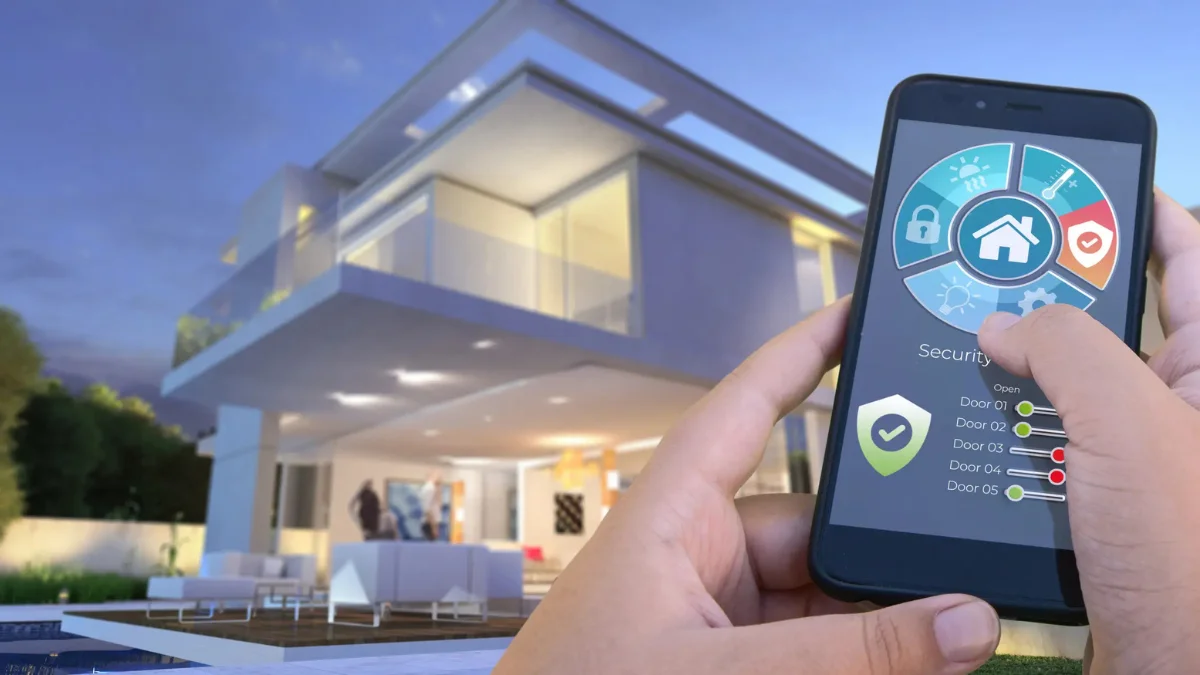
Smart Home Installation Cost is one of the most important considerations for homeowners planning to upgrade their property with modern automation technology. From smart lighting and intelligent heating controls to connected security systems and voice assistants, smart homes are becoming increasingly popular across the UK. While these systems offer greater convenience, improved security and enhanced energy efficiency, understanding the likely costs helps you make informed decisions before investing.
The total Smart Home Installation Cost depends on several factors, including the size of your property, the number of devices you wish to install, and whether you choose a DIY approach or professional installation. Some homeowners begin with a few affordable smart devices, while others invest in a fully integrated automation system covering every room. This guide explains the typical costs, key pricing factors and practical ways to maximise value from your smart home investment.
What Is Smart Home Installation?
Smart home installation refers to the process of connecting internet-enabled devices that work together to automate everyday household tasks. These devices communicate through a wireless or wired network, allowing homeowners to control lighting, heating, entertainment, security and appliances using a smartphone application, voice commands or automated schedules. The aim is to create a home that is more convenient, efficient and responsive to daily routines.
A smart home can be as simple as installing a few smart plugs and light bulbs or as advanced as integrating every electrical system throughout the property. Professional installers often design customised solutions that connect multiple devices into one central platform for seamless operation. Understanding the scope of your desired setup is the first step towards estimating your Smart Home Installation Cost and planning a realistic budget.
Smart Home Installation Cost in the UK
The average Smart Home Installation Cost in the UK varies considerably depending on the complexity of the project. A basic installation featuring smart lighting, plugs and a thermostat is generally far more affordable than a complete home automation system with integrated security, climate control, multi-room audio and automated blinds. Homeowners should consider both the cost of the devices and the labour required for installation.
Professional installation charges also differ depending on the level of expertise required and whether additional electrical work or network upgrades are necessary. Larger homes naturally require more devices, resulting in higher material and labour costs. Comparing quotations from experienced installers and selecting compatible products can help homeowners achieve excellent value without compromising on performance or future expansion opportunities.
Factors That Affect Smart Home Installation Cost
Several important factors influence the final Smart Home Installation Cost. Property size is one of the biggest considerations because larger homes require more smart devices, additional wiring and greater installation time. Older properties may also require electrical upgrades or improved wireless coverage before smart technology can function efficiently throughout the home.
The type of technology selected also plays a significant role in determining costs. Premium brands generally offer more advanced features, stronger security and broader compatibility, although they often come with higher purchase prices. Whether you choose wired or wireless systems, require professional programming, or intend to expand your setup in the future will all influence the overall investment required.
Smart Home Installation Costs by Room
Different rooms within a property have different automation requirements, meaning installation costs can vary significantly. Living rooms commonly include smart lighting, entertainment systems, voice assistants and automated blinds, while kitchens often benefit from connected appliances, intelligent lighting controls and energy monitoring devices that improve convenience during everyday cooking and household management.
Bedrooms frequently include automated lighting schedules, smart thermostats and electric blinds that improve comfort while reducing energy consumption. Bathrooms can feature intelligent ventilation controls, heated flooring systems and smart mirrors, whereas outdoor areas may include security cameras, automated gates, garden lighting and irrigation systems. Planning installations room by room allows homeowners to spread costs gradually while prioritising the areas that provide the greatest daily benefits.
DIY vs Professional Smart Home Installation

Many homeowners choose a DIY approach because it offers a more affordable entry into home automation. Wireless smart bulbs, smart plugs, video doorbells and voice assistants are usually simple to install without specialist knowledge. Most manufacturers provide step-by-step instructions through mobile applications, allowing users to set up devices quickly while keeping labour costs to a minimum. This approach is particularly suitable for smaller properties or homeowners who only require a handful of connected devices.
Professional installation, however, is often the preferred choice for larger or more advanced automation systems. Experienced installers ensure every device is correctly configured, integrated into a single ecosystem and optimised for reliable performance. They can also carry out electrical work, install network cabling and resolve compatibility issues that may arise. Although professional services increase the initial Smart Home Installation Cost, they often deliver better long-term reliability, improved security and greater peace of mind.
Hidden Costs to Consider
When budgeting for a smart home, many homeowners focus only on the purchase price of devices and overlook additional expenses that may arise during installation. Network improvements, stronger Wi-Fi coverage, upgraded routers, smart hubs and electrical modifications can all add to the overall project cost. These upgrades are often necessary to ensure every smart device performs reliably throughout the property without connection issues.
Ongoing expenses should also be included in your budget planning. Some smart security cameras require cloud storage subscriptions, while monitoring services and premium automation platforms may involve monthly or annual fees. Replacement batteries, software updates and occasional maintenance should also be considered when estimating the total Smart Home Installation Cost, helping homeowners avoid unexpected expenses after the system has been installed.
How to Reduce Smart Home Installation Cost
Reducing your Smart Home Installation Cost begins with careful planning and prioritising essential devices rather than purchasing every available gadget. Many homeowners start with smart lighting, heating controls or security cameras before gradually expanding their system over time. This phased approach spreads the overall investment across several months while allowing you to understand which smart features provide the greatest value in your daily routine.
It is also worth comparing quotations from different installers and researching compatible products before making a purchase. Choosing devices that support widely recognised standards, such as Matter, helps prevent compatibility issues and makes future upgrades much easier. Shopping during seasonal promotions, selecting energy-efficient products and avoiding unnecessary premium features can significantly reduce your overall expenditure without compromising quality.
Choosing the Right Smart Home System
Selecting the right smart home ecosystem is an important decision because it determines how easily your devices communicate with each other. Popular platforms such as Google Home, Amazon Alexa and Apple HomeKit each offer different features, compatibility options and levels of integration. Choosing one ecosystem early in the planning stage helps simplify installation while making future expansion much more straightforward.
Before purchasing any equipment, homeowners should consider ease of use, security features, software support and compatibility with existing devices. Matter-compatible products have become increasingly popular because they work across multiple ecosystems, offering greater flexibility and reducing dependence on a single manufacturer. A carefully chosen platform helps maximise the value of your investment while keeping future Smart Home Installation Cost under control.
Is Smart Home Installation Worth the Cost?
For many households, investing in smart home technology provides benefits that extend well beyond convenience. Automated heating systems can help reduce energy consumption, while smart lighting ensures lights are only used when required. Intelligent security systems offer remote monitoring, instant notifications and improved protection, giving homeowners greater confidence whether they are at home or away.
Although the initial Smart Home Installation Cost may appear significant, many homeowners view it as a worthwhile long-term investment. Increased comfort, improved energy efficiency, enhanced home security and greater control over household systems all contribute to better everyday living. In addition, modern smart technology may increase the appeal of a property for future buyers who value connected home features.
Conclusion
Understanding Smart Home Installation Cost allows homeowners to make informed decisions before investing in modern home automation. Every property has unique requirements, and the final cost depends on factors such as home size, device selection, installation complexity and the level of professional assistance required. Careful planning and comparing different products can help you achieve the right balance between affordability and functionality.
A smart home is no longer considered a luxury reserved for high-end properties. With a wide range of affordable devices now available, homeowners can build a connected home gradually while staying within budget. By selecting compatible systems, focusing on essential upgrades and planning for future expansion, you can enjoy the many benefits of smart living while keeping your Smart Home Installation Cost manageable and delivering excellent long-term value.
Frequently Asked Questions
What is the average Smart Home Installation Cost in the UK?
The cost varies based on your home’s size, chosen devices and the level of automation.
What factors affect Smart Home Installation Cost?
Property size, device quantity, installation complexity, labour and system type all affect the total cost.
Can I install a smart home system myself?
Yes, simple wireless smart devices are suitable for DIY installation, while advanced systems may require a professional.
Is professional smart home installation worth the extra cost?
Yes, professional installation provides reliable performance, proper integration and long-term peace of mind.
How can I reduce Smart Home Installation Cost?
Compare quotes, install in stages and choose compatible devices to keep costs under control.