
Voice Assistant Device Guide: Best Smart Picks (2026)
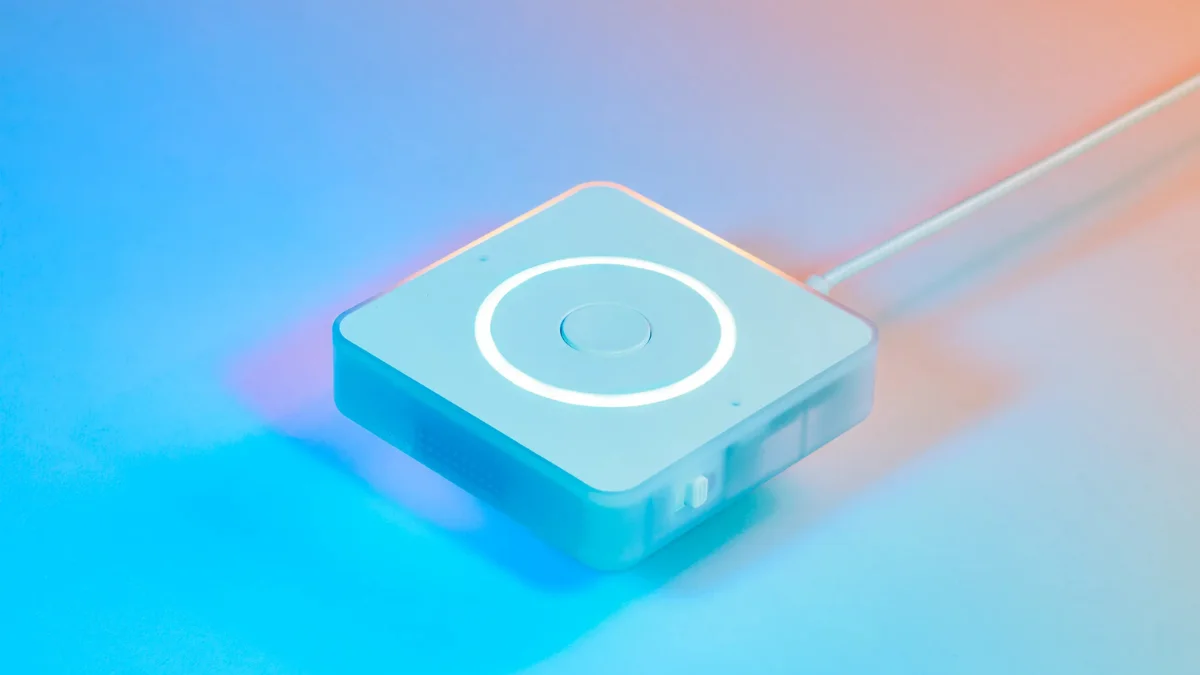
Voice Assistant Device Guide is an essential resource for anyone looking to understand how voice-controlled technology can improve everyday life. Whether you want to control smart lights, play your favourite music, set reminders or manage your home with simple voice commands, choosing the right device makes a significant difference. Modern voice assistants have evolved into intelligent companions that help users save time, increase convenience and enjoy a more connected lifestyle.
This Voice Assistant Device Guide explores everything you need to know before purchasing a smart voice assistant. You will discover how these devices work, compare the most popular platforms and learn which features deserve the most attention. By understanding the strengths of different devices, you can confidently select a solution that matches your home, budget and personal preferences.
What Is a Voice Assistant Device?
A voice assistant device is a smart electronic device that responds to spoken commands using artificial intelligence and natural language processing. Instead of pressing buttons or opening applications, users simply speak naturally to request information, control smart home products or perform everyday tasks. These devices are designed to recognise voices quickly and provide accurate responses, making technology more accessible for people of all ages.
The popularity of voice assistants continues to grow because they simplify daily routines and improve productivity. A quality Voice Assistant Device Guide helps users understand the differences between smart speakers, smart displays and mobile voice assistants while explaining how each option fits into a connected home. As more household appliances become compatible with voice control, these devices are becoming a valuable part of modern living.
Types of Voice Assistant Devices
Voice assistant technology is available in several different forms, giving consumers plenty of choice depending on their lifestyle and requirements. Smart speakers remain one of the most popular options because they provide excellent voice recognition, quality audio performance and simple smart home integration. Many households also choose smart displays, which combine voice control with touchscreens for video calls, recipes and home monitoring.
Smartphones, tablets, televisions and streaming devices now include built-in voice assistants, allowing users to enjoy voice control without purchasing additional equipment. Some homeowners also invest in dedicated smart home hubs that coordinate multiple connected devices from a single platform. Understanding these different categories allows buyers to select a device that delivers the right balance of convenience, functionality and value.
Popular Voice Assistant Platforms Compared
Several major platforms dominate the voice assistant market, each offering unique features and advantages. Amazon Alexa is widely recognised for its extensive smart home compatibility, thousands of third-party skills and excellent support for connected devices. Google Assistant stands out with powerful search capabilities, accurate voice recognition and seamless integration with Android smartphones and Google services.
Apple Siri offers an outstanding experience for users already invested in the Apple ecosystem. Its strong focus on privacy and smooth integration with iPhone, iPad, Mac and HomePod devices make it an attractive choice for Apple customers. Privacy-focused users may also consider Home Assistant Assist, which processes voice commands locally without relying heavily on cloud services, providing greater control over personal data.
How to Choose the Best Voice Assistant Device
Selecting the ideal voice assistant requires careful consideration of your existing technology and daily needs. Compatibility should always be one of the first factors to evaluate because choosing a device that works naturally with your smartphone and smart home equipment creates a much smoother experience. A reliable Voice Assistant Device Guide recommends selecting an ecosystem that supports both your current devices and any future upgrades you may plan.
Other important considerations include sound quality, microphone performance, ease of installation, privacy controls and overall value for money. Budget-friendly smart speakers provide excellent functionality for everyday use, while premium models offer enhanced audio quality, larger displays and advanced automation features. Comparing these aspects carefully ensures that your investment delivers long-term satisfaction and dependable performance.
Best Voice Assistant Devices for Different Needs

Every household has unique requirements, which means the best voice assistant device varies from one user to another. Families focused on home automation may benefit from devices with extensive compatibility for lighting, heating, security cameras and smart locks. Music enthusiasts often prefer premium smart speakers that deliver rich sound quality while supporting multi-room audio throughout the home.
People using Android smartphones generally enjoy the seamless integration offered by Google Assistant, while Apple users benefit from Siri’s close connection with the Apple ecosystem. Budget-conscious buyers can also find compact smart speakers that provide impressive functionality without requiring a significant investment. Choosing a device that matches your personal priorities ensures a more satisfying and practical smart home experience.
How to Set Up a Voice Assistant Device
Setting up a voice assistant device is usually a simple process that takes only a few minutes, even for first-time users. Begin by placing the device in a central location where its microphones can clearly hear voice commands. Connect it to a power source, download the manufacturer’s companion application and sign in using your account. The app will guide you through connecting the device to your Wi-Fi network and completing the initial configuration.
After the device is connected, personalise the settings to suit your preferences. Create a voice profile so the assistant can recognise different household members and provide personalised responses. You can also connect compatible smart home products, including lights, thermostats, plugs and security cameras. A well-configured system makes everyday tasks easier and allows you to create routines that automate multiple actions with a single spoken command.
Voice Assistant Privacy and Security Tips
Privacy remains one of the most important considerations when using voice-controlled technology. Most modern voice assistants continuously listen for a wake word before responding, but users should still review privacy settings during the initial setup. Many devices allow you to delete stored voice recordings, manage activity history and disable the microphone whenever additional privacy is required.
A comprehensive Voice Assistant Device Guide should always recommend enabling two-factor authentication and using a strong, unique password for your account. Keeping your device updated with the latest software also protects against security vulnerabilities and improves overall performance. Taking these simple precautions helps ensure your smart home remains secure while allowing you to enjoy all the benefits of voice automation.
Voice Assistant Automation and Everyday Uses
Voice assistant devices can simplify countless everyday activities, making homes more convenient and efficient. Simple commands can turn lights on or off, adjust room temperatures, control entertainment systems or provide weather updates before leaving the house. Many people also use voice assistants to create shopping lists, manage calendars, set reminders and answer questions instantly without needing to pick up a phone.
Automation routines provide even greater value by allowing several actions to happen simultaneously. For example, a single “Good Morning” command can switch on lights, open smart blinds, read the day’s news and start your favourite playlist. Likewise, a bedtime routine can lock doors, switch off unnecessary appliances and activate home security systems automatically, helping save both time and energy every day.
Common Problems and How to Fix Them
Although voice assistant devices are generally reliable, occasional problems can occur. Poor Wi-Fi coverage is one of the most common causes of slow responses or failed commands. Placing the device closer to the wireless router or upgrading your home network often improves performance significantly. Restarting the device and checking for software updates also resolves many minor technical issues.
Voice recognition problems may happen if background noise is excessive or the microphone is obstructed. Speaking clearly and completing the voice training process usually improves accuracy. If connected smart devices stop responding, reconnect them through the companion application and ensure they are compatible with your chosen ecosystem. Following these simple troubleshooting steps keeps your smart home operating smoothly with minimal disruption.
Future of Voice Assistant Devices
Voice assistant technology continues to advance rapidly as artificial intelligence becomes more sophisticated. Future devices are expected to understand natural conversations more accurately, respond faster and offer highly personalised recommendations based on user preferences. Improved language processing will make interactions feel increasingly natural, allowing voice assistants to become even more helpful companions in everyday life.
Another major development is the growing adoption of universal smart home standards such as Matter, making devices from different manufacturers work together more seamlessly. Future voice assistants are also likely to process more commands locally instead of relying entirely on cloud services, improving both speed and privacy. These innovations will make voice-controlled technology more accessible, secure and efficient for households across the UK.
Conclusion
This Voice Assistant Device Guide has explored everything you need to know before investing in a voice-controlled smart device. From understanding how voice assistants work to comparing the leading platforms and learning essential setup tips, making an informed choice becomes much easier when you understand the available options. Selecting a device that matches your preferred ecosystem and daily requirements ensures a smoother and more enjoyable smart home experience.
As technology continues to evolve, voice assistants will play an even greater role in connected living. Improved artificial intelligence, stronger privacy features and wider compatibility will continue to enhance their capabilities. By following the advice in this Voice Assistant Device Guide, you can confidently choose a smart assistant that delivers convenience, efficiency and reliable performance for many years to come.
Frequently Asked Questions
What is a voice assistant device?
A voice assistant device uses AI to perform tasks through simple spoken commands.
Which voice assistant is best: Alexa, Google Assistant or Siri?
The best choice depends on whether you use Amazon, Android or Apple devices.
Do voice assistant devices need an internet connection?
Yes, most voice assistant devices require an internet connection for full functionality.
Are voice assistant devices secure?
Yes, they are secure when you use strong passwords and keep the software updated.
Can a voice assistant control all smart home devices?
It can control many compatible smart home devices, but compatibility varies by brand.
What should I consider before buying a voice assistant device?
Consider compatibility, features, privacy, sound quality and your budget before buying.