
Smart Device Compatibility Guide: Ecosystems Explained
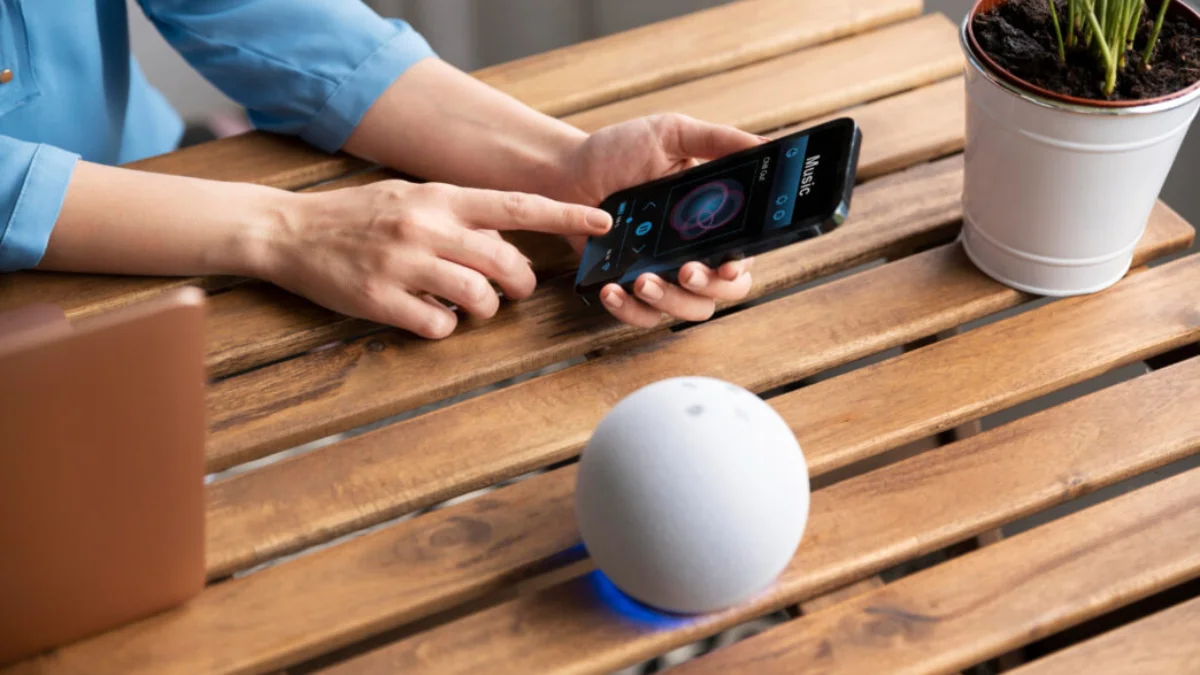
A Smart Device Compatibility Guide is one of the most valuable resources for anyone planning to build a modern smart home. With smart lighting, security cameras, thermostats, speakers and appliances becoming increasingly popular, choosing products that work together has never been more important. Many homeowners purchase devices without checking compatibility, only to discover they cannot connect with their preferred voice assistant or smart home platform. Understanding compatibility before buying helps avoid unnecessary costs, setup frustrations and disappointing performance.
This Smart Device Compatibility Guide explains how smart home ecosystems, wireless protocols and compatible devices interact to create a reliable connected home. Whether you are setting up your first smart home or expanding an existing system, learning about compatibility ensures every device communicates effectively. By understanding the basics before investing, you can enjoy smoother automation, easier management and a future-ready home that adapts as technology continues to evolve.
What Is Smart Device Compatibility?
Smart device compatibility refers to the ability of different smart products to communicate, connect and operate together without technical conflicts. Compatibility depends on several factors, including communication protocols, operating systems, supported ecosystems and software updates. Some devices work directly with one another, while others require a dedicated hub or bridge to function properly. Choosing compatible products improves performance and makes managing your smart home considerably easier.
A complete Smart Device Compatibility Guide encourages buyers to look beyond product features and focus on integration capabilities. Two devices may appear similar but support entirely different ecosystems, preventing them from working together. Understanding compatibility labels, supported standards and official certifications allows homeowners to make informed purchasing decisions that create a seamless and efficient smart home environment instead of a collection of disconnected gadgets.
How Smart Home Ecosystems Work
A smart home ecosystem acts as the central platform that controls compatible devices from different manufacturers. Popular ecosystems include Amazon Alexa, Google Home, Apple Home and Samsung SmartThings, each offering unique features and supported products. These platforms allow users to control lighting, security systems, smart plugs, cameras and appliances through a single mobile application or voice assistant, creating a more convenient and organised experience.
Selecting one primary ecosystem before buying devices is one of the most important recommendations in any Smart Device Compatibility Guide. Staying within a single ecosystem often provides the best automation options and reduces compatibility issues. While many modern devices support multiple platforms, choosing products designed for your preferred ecosystem ensures reliable performance, simpler setup and greater flexibility when expanding your smart home in the future.
Smart Home Communication Protocols Explained
Communication protocols determine how smart devices exchange information with one another. Wi-Fi is widely used because it connects directly to your home network, making it ideal for cameras, speakers and streaming devices. Bluetooth provides short-range communication for smaller devices, while Zigbee and Z-Wave create efficient mesh networks that improve reliability for sensors, switches and lighting systems throughout the home.
Modern standards such as Thread and Matter are transforming smart home compatibility by making cross-brand communication easier than ever before. Matter allows compatible devices from different manufacturers to work together more seamlessly, while Thread improves speed, security and energy efficiency. Understanding these protocols is an essential part of any Smart Device Compatibility Guide because it helps homeowners select devices that remain useful as technology continues to advance.
How to Check Device Compatibility Before Buying
Checking compatibility before making a purchase can prevent expensive mistakes and unnecessary frustration. Always review the manufacturer’s specifications to confirm which ecosystems, communication protocols and voice assistants are supported. Labels such as “Works with Alexa”, “Works with Google Home”, “Apple Home Compatible” and “Matter Certified” provide valuable reassurance that products will integrate smoothly with your existing smart home setup.
A reliable Smart Device Compatibility Guide also recommends researching firmware requirements, software updates and regional availability. Some features are only available after installing the latest updates, while others may vary depending on your country or network configuration. Reading user reviews and consulting official compatibility lists can provide additional confidence before investing in new smart home products, especially when combining devices from multiple brands.
Compatibility Between Popular Smart Devices

Smart home devices are designed to make everyday living easier, but their effectiveness depends on how well they work together. Smart speakers often act as central controllers, allowing users to manage lights, cameras, thermostats and smart plugs using simple voice commands. Security cameras can trigger smart lights, while motion sensors can activate alarms or send notifications. When devices are fully compatible, automation becomes more reliable and requires less manual intervention.
Following a Smart Device Compatibility Guide helps homeowners compare products before making purchasing decisions. Instead of selecting devices based only on price or appearance, buyers should consider supported ecosystems and communication standards. Choosing compatible smart locks, video doorbells, televisions and appliances creates a connected environment where every device communicates efficiently. This approach improves convenience, enhances home security and makes future upgrades much simpler.
Common Smart Device Compatibility Problems
Even high-quality smart home products can experience compatibility issues if they are not designed to work together. One common problem occurs when devices support different ecosystems, preventing them from sharing information or responding to automation routines. Another frequent issue involves outdated firmware, which can cause connection failures, missing features or reduced performance. These challenges often frustrate users who expect a straightforward installation process.
A well-planned Smart Device Compatibility Guide encourages homeowners to troubleshoot systematically rather than replacing equipment unnecessarily. Checking software updates, restarting devices, confirming Wi-Fi settings and reviewing compatibility requirements often resolves many problems. It is also important to ensure that all devices are connected to the correct network and that any required hubs or bridges are properly configured. Taking these steps helps maintain a dependable and responsive smart home.
How Matter Is Changing Smart Device Compatibility
Matter has become one of the most significant developments in the smart home industry because it introduces a universal standard for connected devices. Previously, homeowners often had to choose products from the same manufacturer to guarantee compatibility. Matter changes this by allowing certified devices from different brands to communicate through a common standard, making integration easier and reducing dependence on proprietary systems.
This innovation is transforming the way consumers purchase smart home technology. A modern Smart Device Compatibility Guide should always highlight the advantages of Matter because it supports greater flexibility, improved security and easier installation. As more manufacturers adopt the standard, homeowners can confidently mix products from different brands while maintaining consistent performance. Matter also helps future-proof smart homes by encouraging wider industry compatibility.
Choosing Compatible Smart Devices for Your Home
Planning your smart home before buying new equipment is one of the most effective ways to avoid compatibility issues. Start by deciding which ecosystem best suits your lifestyle, whether that is Amazon Alexa, Google Home, Apple Home or Samsung SmartThings. Once you have selected a platform, choose devices that officially support it and offer regular software updates to ensure long-term reliability.
A comprehensive Smart Device Compatibility Guide also recommends considering your home’s size, internet connection and future expansion plans. Buying products with Matter support or multiple compatibility options provides greater flexibility as your smart home grows. Investing in reliable brands with strong customer support and ongoing software development ensures your devices remain secure, efficient and compatible with emerging technologies for years to come.
Best Practices for Building a Reliable Smart Home
Creating a dependable smart home involves more than simply purchasing compatible devices. Maintaining a strong Wi-Fi network, installing firmware updates promptly and using secure passwords all contribute to better performance and enhanced security. Organising devices into logical rooms and creating simple automation routines also makes daily operation more efficient while reducing the likelihood of connection problems or conflicting commands.
Another valuable recommendation found in every Smart Device Compatibility Guide is to purchase products from reputable manufacturers with proven compatibility records. Reading professional reviews, checking official compatibility lists and researching long-term software support can save both time and money. By following these best practices, homeowners can enjoy a stable, responsive and secure smart home that continues to deliver excellent performance as technology evolves.
Conclusion
A Smart Device Compatibility Guide is an essential resource for anyone investing in smart home technology. Understanding ecosystems, communication protocols and compatibility standards enables homeowners to choose products that work together seamlessly rather than creating unnecessary technical challenges. Careful planning before purchasing also reduces installation problems, improves automation and ensures a more satisfying smart home experience.
As smart home technology continues to evolve, compatibility will remain one of the most important factors influencing performance and convenience. Selecting devices that support modern standards such as Matter, maintaining regular software updates and staying within a compatible ecosystem will help create a future-ready home. By applying the advice in this Smart Device Compatibility Guide, you can build a connected living space that is reliable, efficient and prepared for the next generation of smart technology.
Frequently Asked Questions
What is a Smart Device Compatibility Guide?
A Smart Device Compatibility Guide helps you understand which smart devices and ecosystems work together.
Why is smart device compatibility important?
It ensures your smart devices connect properly and function together without issues.
Which smart home ecosystem is best?
The best ecosystem depends on your preferred devices, features and existing smart home setup.
What is Matter in smart home technology?
Matter is a universal standard that improves compatibility between smart devices from different brands.
Can I use smart devices from different brands?
Yes, many smart devices from different brands can work together if they support the same ecosystem or Matter.
How can I check whether a smart device is compatible?
Check the manufacturer’s specifications and compatibility labels before buying the device.