
PVC Plumbing Pipe Fittings: Types, Uses & Buying Guide
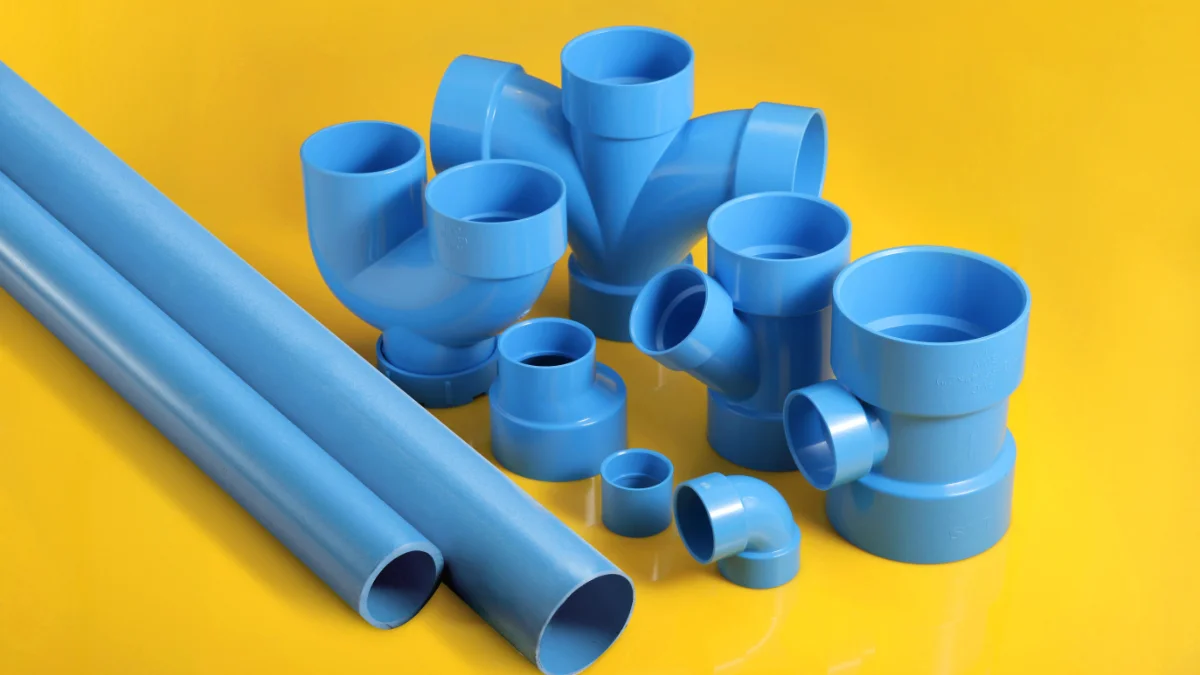
PVC Plumbing Pipe Fittings play a vital role in modern plumbing systems across the UK, offering a practical and reliable way to connect pipes, control water flow, and create efficient plumbing networks. Whether you are installing a new water supply, replacing damaged components, or upgrading an existing system, these fittings provide an affordable and long-lasting solution. Their popularity continues to grow because they are lightweight, resistant to corrosion, and easy to install compared with many traditional plumbing materials.
Homeowners, DIY enthusiasts, and professional plumbers all benefit from using PVC Plumbing Pipe Fittings due to their versatility and durability. They are suitable for domestic water systems, waste pipes, drainage installations, irrigation projects, and various commercial applications. This comprehensive guide explains the different types, available sizes, common uses, installation methods, maintenance tips, and buying advice to help you choose the right fittings for your plumbing project.
What Are PVC Plumbing Pipe Fittings?
PVC Plumbing Pipe Fittings are specially manufactured connectors made from polyvinyl chloride, a strong plastic material designed to join sections of pipe securely. These fittings allow plumbers to change pipe direction, connect different pipe diameters, split water flow, or close the end of a pipe safely. Their smooth internal surface helps water move efficiently while reducing friction, making them an excellent choice for modern plumbing systems.
Unlike traditional metal fittings, PVC Plumbing Pipe Fittings do not rust, corrode, or suffer from mineral build-up over time. This makes them particularly suitable for UK homes where long-term reliability and low maintenance are important. Their resistance to chemicals and moisture also makes them ideal for indoor plumbing, outdoor irrigation systems, drainage installations, and many commercial plumbing applications requiring dependable performance throughout the year.
Types of PVC Plumbing Pipe Fittings
There are many different types of PVC Plumbing Pipe Fittings available, with each designed to perform a specific task within a plumbing system. Elbows are used to change the direction of pipework, tees create branch connections, couplings join straight sections of pipe, reducers connect pipes of different sizes, and end caps seal unused pipe ends. These standard fittings form the foundation of most residential and commercial plumbing installations.
More specialised PVC Plumbing Pipe Fittings include unions, adapters, valves, crosses, and threaded connectors that provide additional flexibility for complex plumbing layouts. Choosing the correct fitting depends on your project requirements, water pressure, pipe size, and installation method. Understanding the purpose of each fitting helps create a more efficient plumbing system while reducing the risk of leaks and unnecessary maintenance in the future.
PVC Plumbing Pipe Fittings Sizes Explained
Selecting the correct size is essential for ensuring that a plumbing system performs efficiently and safely. PVC Plumbing Pipe Fittings are manufactured in a wide range of metric and imperial sizes to suit different plumbing standards used throughout the UK. Matching the fitting correctly with the pipe diameter prevents leaks, maintains water pressure, and ensures smooth water flow throughout the installation.
Before purchasing any fittings, it is important to measure the outside diameter of the pipe carefully and confirm whether the system uses metric or imperial dimensions. Using incorrectly sized fittings can lead to poor sealing, reduced efficiency, and costly repairs later. Many manufacturers also provide pressure ratings and technical specifications that should always be checked before installation to ensure compatibility with the intended plumbing application.
Common Uses of PVC Plumbing Pipe Fittings
PVC Plumbing Pipe Fittings are widely used in domestic plumbing because they provide reliable connections for water supply systems, waste pipes, drainage networks, and rainwater collection installations. They are also popular for bathroom renovations, kitchen plumbing, utility rooms, and outdoor water systems where durability and ease of installation are essential. Their lightweight construction makes handling and transportation much easier than heavier plumbing materials.
Commercial buildings and industrial facilities also rely on PVC Plumbing Pipe Fittings because they offer excellent chemical resistance and long-term durability. These fittings are frequently installed in irrigation systems, swimming pools, agricultural water supplies, manufacturing plants, and water treatment facilities. Their ability to withstand moisture and corrosion makes them a dependable choice for demanding environments requiring consistent plumbing performance.
Benefits of PVC Plumbing Pipe Fittings

One of the greatest advantages of PVC Plumbing Pipe Fittings is their outstanding resistance to corrosion, rust, and chemical damage. Unlike metal alternatives that may deteriorate over time, PVC remains stable in damp environments and continues to perform effectively for many years. This durability significantly reduces maintenance costs while extending the overall lifespan of the plumbing system.
Another important benefit is the lightweight nature of PVC, making installation quicker and easier for both professionals and DIY users. These fittings require minimal maintenance, are highly affordable, and provide excellent flow efficiency due to their smooth internal surfaces. Their cost-effectiveness and long service life make them one of the most popular plumbing materials used throughout the UK today.
How to Choose the Right PVC Plumbing Pipe Fittings
Choosing the correct PVC Plumbing Pipe Fittings begins by understanding the purpose of your plumbing project. Consider the type of water system, required pipe diameter, operating pressure, and installation location before selecting the appropriate fitting. Buying products that comply with recognised UK standards helps ensure safety, durability, and long-term reliability for both residential and commercial plumbing systems.
It is also important to decide whether solvent-weld or push-fit fittings are most suitable for your installation. Solvent-weld fittings create permanent, watertight joints using specialised adhesive, while push-fit fittings allow faster installation and easier future maintenance. Selecting high-quality fittings from reputable manufacturers provides better performance and reduces the likelihood of future plumbing problems.
Installing PVC Plumbing Pipe Fittings
Proper installation is essential for achieving leak-free performance and maximising the lifespan of PVC Plumbing Pipe Fittings. Begin by measuring the pipe accurately, making clean cuts, removing rough edges, and cleaning all joining surfaces thoroughly. Preparing the pipe correctly allows solvent cement or push-fit connections to create secure, reliable joints that remain watertight for many years.
After assembling the plumbing system, allow sufficient curing time if solvent cement has been used before turning on the water supply. Performing a pressure test after installation helps identify any weak joints or leaks before the system enters regular use. Taking time to install fittings correctly reduces future maintenance costs and ensures dependable plumbing performance.
Maintaining PVC Plumbing Pipe Fittings
Regular maintenance helps extend the life of PVC Plumbing Pipe Fittings while keeping the plumbing system operating efficiently. Periodic inspections allow homeowners to identify loose connections, minor leaks, or damaged fittings before they develop into more serious and expensive problems. Preventative maintenance also improves water efficiency and helps maintain consistent water pressure throughout the property.
Keeping drainage systems free from blockages and protecting exposed pipework from accidental damage further increases the durability of PVC fittings. Replacing worn or cracked fittings promptly helps prevent water damage and ensures the entire plumbing system continues operating safely. With simple routine maintenance, PVC plumbing installations can provide reliable service for several decades.
Conclusion
PVC Plumbing Pipe Fittings have become one of the most trusted plumbing solutions for homes and businesses throughout the UK. Their strength, corrosion resistance, affordability, and ease of installation make them suitable for a wide variety of plumbing applications, from simple household repairs to complex commercial systems. Choosing the correct fitting type and size plays a crucial role in ensuring reliable and efficient plumbing performance.
By understanding the different types, sizes, benefits, installation methods, and maintenance requirements of PVC Plumbing Pipe Fittings, homeowners and professionals can make informed purchasing decisions. Investing in quality fittings and following proper installation practices will help create a dependable plumbing system that delivers excellent performance and long-lasting value for many years.
Frequently Asked Questions
What are PVC Plumbing Pipe Fittings used for?
PVC Plumbing Pipe Fittings are used to connect and control pipes in water supply, drainage, and plumbing systems.
What sizes do PVC Plumbing Pipe Fittings come in?
They are available in a wide range of metric and imperial sizes for different plumbing applications.
Are PVC Plumbing Pipe Fittings suitable for drinking water?
Yes, many PVC fittings are safe for potable water when they meet UK standards.
How long do PVC Plumbing Pipe Fittings last?
High-quality PVC fittings can last for several decades with proper installation and maintenance.
Can PVC Plumbing Pipe Fittings be used underground?
Yes, they are commonly used for underground drainage and water supply systems.
What is the difference between PVC and CPVC pipe fittings?
PVC is mainly for cold water, while CPVC is designed to handle both hot and cold water.