
Water Supply Pipe Systems: Complete UK Guide for Homes
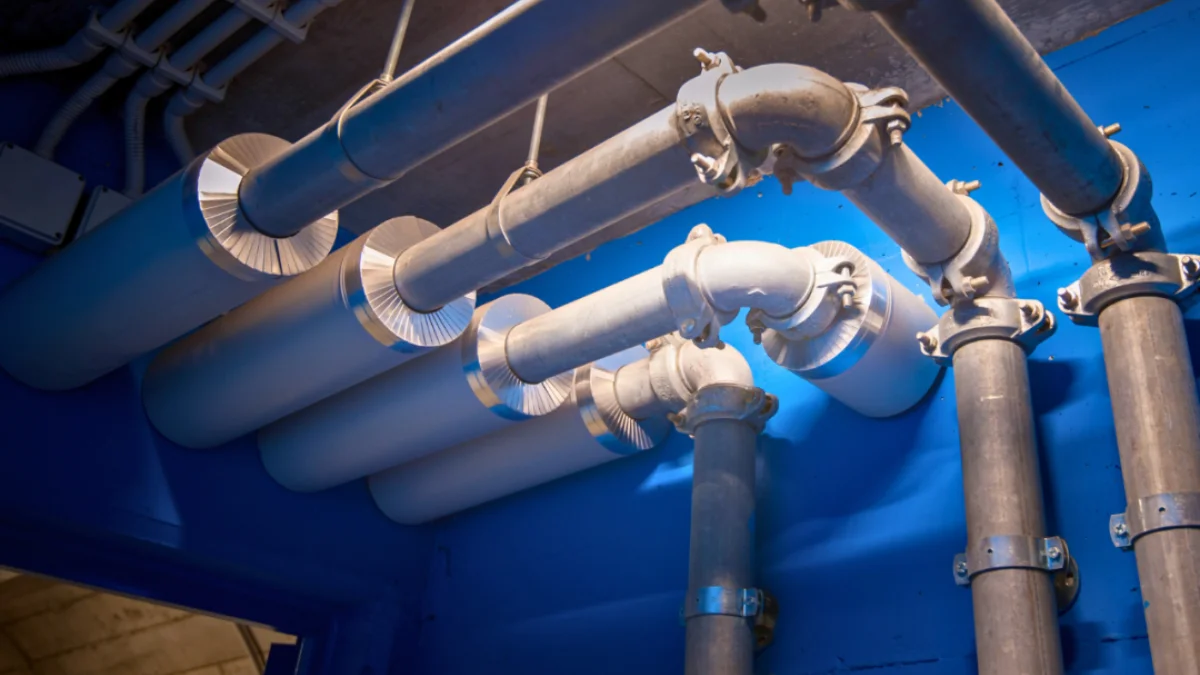
Water Supply Pipe Systems form the backbone of every modern plumbing network, ensuring clean and safe drinking water reaches every tap, shower, appliance, and plumbing fixture throughout a property. Whether you own a traditional British home or a newly built property, choosing the right pipe system directly affects water quality, pressure, efficiency, and long-term maintenance costs. A well-designed system also reduces the risk of leaks, improves reliability, and supports the smooth operation of your entire plumbing network.
Understanding Water Supply Pipe Systems is essential before beginning any installation, renovation, or replacement project. Modern plumbing technology offers a range of materials and layouts designed to suit different property types and budgets. By selecting suitable pipe materials and following UK plumbing regulations, homeowners can create an efficient water supply system that performs reliably for decades while reducing repair costs and improving overall household comfort.
What Are Water Supply Pipe Systems?
Water Supply Pipe Systems are carefully designed networks of pipes that transport fresh, potable water from the public mains or a private water source into residential and commercial buildings. These systems distribute water evenly throughout the property, supplying kitchens, bathrooms, utility rooms, and outdoor taps. Every component, from the main supply line to the smallest branch pipe, plays an important role in maintaining consistent water pressure and delivering safe drinking water.
A properly installed water supply system does much more than simply carry water from one place to another. It helps minimise pressure loss, prevents contamination, and supports the efficient operation of boilers, washing machines, dishwashers, and other household appliances. Modern systems are built to comply with UK Water Regulations, ensuring both safety and durability while reducing maintenance requirements over the lifespan of the plumbing installation.
Types of Water Supply Pipe Systems Used in the UK
Several types of Water Supply Pipe Systems are commonly used across the UK, each designed to meet different plumbing requirements. Direct water supply systems deliver fresh mains water directly to taps and appliances, offering consistent pressure and excellent water quality. Indirect systems, meanwhile, use storage tanks to supply certain fixtures, providing additional security during temporary interruptions to the mains water supply.
Another important consideration is the internal pipe layout. Traditional trunk-and-branch systems use one main supply pipe that feeds smaller branches throughout the property. In contrast, modern manifold or home-run systems connect each fixture directly to a central manifold, improving pressure consistency and making future maintenance significantly easier. Choosing the right layout depends on property size, household water demand, and available installation space.
Water Supply Pipe Materials Explained
Selecting suitable pipe materials is one of the most important decisions when designing Water Supply Pipe Systems. Copper remains one of the most trusted options because of its exceptional durability, natural resistance to bacteria, and ability to withstand high temperatures. Although copper generally costs more than plastic alternatives, it continues to be widely used throughout the UK due to its proven reliability and long service life.
Plastic pipe materials have become increasingly popular in modern plumbing installations. PEX pipes offer outstanding flexibility, making installation quicker and reducing the number of fittings required. MDPE pipes are commonly used for underground water mains because they resist corrosion, soil chemicals, and external damage exceptionally well. Each material offers unique advantages, allowing homeowners to select the most suitable option based on performance, budget, and installation requirements.
Choosing the Right Water Supply Pipe System
Choosing the most appropriate Water Supply Pipe Systems requires careful planning and consideration of several practical factors. The size of the property, number of occupants, expected water usage, and available mains pressure all influence which system will provide the best long-term performance. Proper planning ensures every tap and appliance receives an adequate water supply without experiencing pressure drops during periods of high demand.
Long-term maintenance and future expansion should also be considered before installation begins. Investing in quality materials and professional workmanship may involve higher initial costs, but it often reduces repair expenses and extends the overall lifespan of the plumbing system. Homeowners should also ensure their chosen system complies with UK Building Regulations and local water authority requirements to avoid costly modifications later.
Water Supply Pipe Installation

Installing Water Supply Pipe Systems correctly is essential for achieving reliable water distribution and long-lasting performance. The installation process begins with detailed planning, accurate pipe sizing, and careful routing to minimise unnecessary bends and pressure losses. Professional plumbers also ensure that all joints, fittings, and valves are securely connected before the system is tested and commissioned for everyday use.
Pressure testing forms a vital part of every professional installation. By checking the entire pipe network before walls and floors are sealed, installers can identify any leaks or weak connections while they remain easily accessible. Following recognised UK plumbing standards during installation helps maximise system efficiency, improve water quality, and significantly reduce the risk of expensive plumbing failures in the future.
Water Supply Pipe Replacement
Over time, even the highest-quality Water Supply Pipe Systems will begin to show signs of wear due to age, corrosion, mineral build-up, or accidental damage. Older UK properties may still contain lead or galvanised steel pipes, which no longer meet modern safety expectations. Replacing ageing pipework improves water quality, increases flow efficiency, and reduces the likelihood of unexpected leaks that could cause structural damage to the home.
Modern replacement projects typically involve upgrading to copper, PEX, or MDPE pipes, depending on the location and purpose of the installation. Although replacement costs vary according to property size and accessibility, investing in new pipework often delivers significant long-term savings by reducing maintenance expenses and improving the overall reliability of the plumbing system. Professional installation also ensures compliance with current UK Water Regulations.
Common Water Supply Pipe Problems
Even well-maintained Water Supply Pipe Systems can occasionally experience issues that affect water flow and household comfort. Some of the most common problems include leaking joints, burst pipes, corrosion, low water pressure, water hammer, and frozen pipes during colder months. Identifying these problems early can prevent costly repairs and minimise disruption to your daily routine while protecting your property from water damage.
Regular inspections play an important role in preventing plumbing emergencies. Homeowners should watch for damp patches, unusual noises, discoloured water, or unexpected increases in water bills, as these can indicate hidden leaks or damaged pipework. Addressing small issues promptly not only extends the lifespan of the plumbing system but also maintains consistent water pressure and protects valuable household appliances.
Maintaining Water Supply Pipe Systems
Routine maintenance is one of the most effective ways to keep Water Supply Pipe Systems operating efficiently throughout their lifespan. Checking visible pipes for leaks, corrosion, or loose fittings should become part of regular household maintenance. Cleaning accessible valves, monitoring water pressure, and ensuring stopcocks remain operational can also help prevent unexpected plumbing failures and expensive emergency call-outs.
Winter maintenance deserves particular attention in the UK because freezing temperatures can cause water inside pipes to expand, leading to cracks or burst pipes. Proper insulation around exposed pipework significantly reduces this risk while improving energy efficiency. Scheduling occasional inspections by a qualified plumber also helps identify hidden issues before they become major problems requiring extensive repairs.
Water Supply Pipe Sizes and Water Pressure
Selecting the correct pipe size is essential for ensuring Water Supply Pipe Systems deliver sufficient water flow to every fixture in the property. Pipes that are too narrow may restrict water movement, causing reduced pressure and slower filling times for baths, sinks, and appliances. Oversized pipes, however, can increase installation costs without providing additional performance benefits in most residential properties.
Professional plumbers calculate pipe diameters based on household demand, property layout, and expected simultaneous water usage. Maintaining balanced water pressure not only improves comfort but also protects plumbing fixtures and appliances from unnecessary strain. Proper pipe sizing contributes to efficient water distribution, lower operating costs, and a plumbing system capable of meeting future household requirements.
Cost of Water Supply Pipe Systems in the UK
The cost of installing or replacing Water Supply Pipe Systems depends on several important factors, including pipe material, property size, labour charges, and installation complexity. Copper pipework generally costs more than plastic alternatives, while underground installations requiring excavation can significantly increase the total project budget. Obtaining several quotations from experienced plumbing professionals helps homeowners compare prices and services before making a final decision.
Although choosing cheaper materials may reduce initial expenditure, investing in high-quality products often delivers greater value over time. Durable pipe materials require fewer repairs, last longer, and provide improved reliability throughout their service life. When combined with professional installation, quality plumbing systems can reduce maintenance costs while increasing the value and efficiency of the property.
Best Practices for Long-Lasting Water Supply Pipe Systems
Achieving the maximum lifespan from Water Supply Pipe Systems begins with selecting certified materials that meet recognised UK quality standards. Professional installation, correct pipe sizing, and compliance with building regulations all contribute to reliable long-term performance. Every connection should be properly sealed, pressure-tested, and protected against environmental factors that could shorten the life of the plumbing network.
Preventative maintenance is equally important after installation has been completed. Regular inspections, prompt leak repairs, and proper pipe insulation help prevent common plumbing problems before they become serious. Homeowners who invest in routine maintenance often experience fewer emergency repairs, lower water bills, and a more dependable plumbing system capable of delivering clean water efficiently for many years.
Conclusion
Water Supply Pipe Systems are an essential part of every home, providing a reliable and hygienic supply of clean water for daily living. From selecting suitable materials and choosing the right system layout to ensuring professional installation and routine maintenance, every decision contributes to the overall performance and longevity of the plumbing network. Understanding how these systems work enables homeowners to make informed choices that improve efficiency and reduce future repair costs.
Whether you are building a new home, renovating an older property, or replacing ageing pipework, investing in high-quality Water Supply Pipe Systems is a worthwhile decision. Modern plumbing materials, combined with skilled installation and regular maintenance, create a durable system that delivers consistent water pressure, excellent water quality, and dependable performance for decades. By following UK regulations and best practices, homeowners can enjoy peace of mind knowing their plumbing system is built to last.
Frequently Asked Questions
What are Water Supply Pipe Systems?
Water Supply Pipe Systems deliver clean water from the main supply to taps, appliances, and plumbing fixtures.
Which pipe material is best for UK homes?
Copper, PEX, and MDPE are the best choices due to their durability and reliability.
How long do water supply pipes last?
Most modern water supply pipes last between 30 and 50+ years with proper maintenance.
When should water supply pipes be replaced?
Replace them if they leak, corrode, or contain outdated lead pipework.
How can I maintain Water Supply Pipe Systems?
Inspect pipes regularly, repair leaks quickly, and insulate exposed pipes during winter.