
DIY Plumbing Repair Guide: Step-by-Step Fixes for Leaks, Drains & Toilets
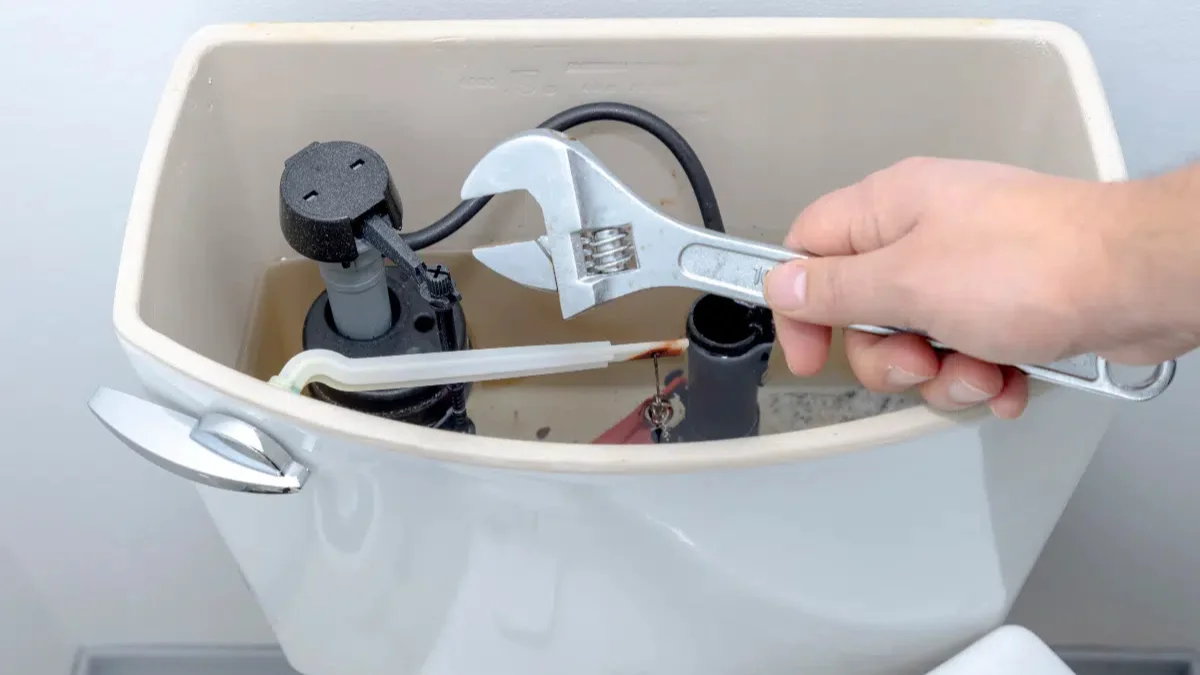
A DIY Plumbing Repair Guide is one of the most valuable resources for homeowners who want to deal with everyday plumbing problems without immediately hiring a professional. Minor issues such as dripping taps, blocked drains, running toilets, and low water pressure are common in many UK homes. With the right knowledge, suitable tools, and a careful approach, these problems can often be repaired safely while saving both time and money.
Learning basic plumbing skills also helps you understand how your home’s water system works, making it easier to spot potential problems before they become expensive emergencies. This DIY Plumbing Repair Guide explains the essential tools, common repair techniques, safety precautions, and maintenance tips that every homeowner should know. While some repairs require professional expertise, many simple tasks can be completed confidently by following the correct procedures.
What Is a DIY Plumbing Repair Guide?
A DIY Plumbing Repair Guide is a practical handbook that teaches homeowners how to identify, diagnose, and repair common plumbing problems using basic equipment and safe working practices. Instead of relying on costly emergency plumbing services for every issue, homeowners can develop useful maintenance skills that improve the condition of their property and reduce long-term repair expenses.
Understanding the basics of plumbing is especially beneficial because many household plumbing problems develop gradually. A small leak beneath a sink or a slowly running toilet may appear harmless at first, but they can waste large amounts of water over time. By following a reliable DIY Plumbing Repair Guide, homeowners can recognise these warning signs early and prevent more serious damage.
Essential Plumbing Tools and Safety Equipment
Every successful plumbing repair starts with having the proper tools available before beginning the job. A well-equipped toolkit should include an adjustable spanner, pipe wrench, basin wrench, plunger, drain snake, PTFE tape, screwdrivers, pipe cutters, bucket, and protective gloves. These simple yet effective tools allow homeowners to complete a wide range of everyday plumbing repairs safely and efficiently.
Safety should never be overlooked when working on any plumbing system. Before starting a repair, always locate the main water shut-off valve and isolate the water supply to prevent flooding. Wearing protective gloves and safety glasses helps reduce the risk of injury, while keeping towels and a bucket nearby makes it easier to control any remaining water during the repair process.
How to Fix Common Plumbing Problems Yourself
Leaking taps are among the most frequent plumbing problems found in homes throughout the UK. In many cases, the cause is simply a worn rubber washer or a damaged ceramic cartridge. Replacing these inexpensive components usually stops the leak completely and restores normal operation. A running toilet can often be repaired by replacing a faulty flapper valve or adjusting the fill mechanism inside the cistern.
Blocked drains are another issue that homeowners regularly encounter in kitchens and bathrooms. Instead of using harsh chemical cleaners that may damage pipework, begin by using a plunger or drain snake to remove the blockage mechanically. Small pinhole leaks in exposed pipes can often be sealed temporarily using repair clamps or self-fusing silicone tape until a permanent repair can be completed.
DIY Plumbing Repairs for Kitchens and Bathrooms
Kitchen plumbing experiences constant daily use, making it one of the busiest areas of any home. Food waste, cooking grease, and soap residue frequently contribute to blocked sinks and unpleasant odours. Regularly cleaning sink strainers, checking under-sink pipe connections, and replacing worn tap washers are simple maintenance tasks that help prevent larger plumbing issues from developing.
Bathroom plumbing also requires routine attention to remain efficient and reliable. Showerheads often become clogged with limescale, reducing water flow and affecting performance. Likewise, basin taps, toilets, and shower valves naturally wear over time due to regular use. Following a dependable DIY Plumbing Repair Guide enables homeowners to complete these maintenance jobs confidently while extending the lifespan of their bathroom fixtures.
Preventing Future Plumbing Problems

Preventative maintenance is one of the most effective ways to protect your home’s plumbing system. Regular inspections of visible pipework, taps, valves, and appliances allow homeowners to detect small leaks before they become major problems. Even checking for damp patches beneath sinks or around toilets every few weeks can prevent expensive water damage and unnecessary repair costs.
Simple everyday habits also make a significant difference to plumbing performance. Avoid pouring fats, oils, grease, coffee grounds, or food scraps down kitchen sinks because these materials often create stubborn blockages. During colder months, insulating exposed pipes helps reduce the risk of frozen water expanding inside the pipework, which can otherwise lead to burst pipes and costly emergency repairs.
DIY Plumbing Mistakes to Avoid
One of the most common mistakes beginners make is overtightening plumbing fittings. Many people believe tighter fittings automatically create better seals, but excessive force can crack connectors, damage washers, or strip threaded joints. Tightening fittings firmly but carefully according to manufacturer recommendations produces much more reliable results while reducing the chance of future leaks.
Another mistake is attempting repairs without first turning off the water supply. Even a small repair can quickly become a major flooding incident if water continues flowing through the system. Following the advice provided in a trusted DIY Plumbing Repair Guide encourages homeowners to work methodically, use appropriate replacement parts, and avoid unnecessary mistakes that could increase repair costs.
When Should You Call a Professional Plumber?
Although many household plumbing problems can be solved with basic tools and patience, certain situations require the expertise of a qualified plumber. Burst pipes, hidden leaks inside walls, damaged water mains, overflowing drains, and boiler-related faults should never be treated as simple DIY projects. These problems often require specialist equipment and professional knowledge to ensure the repair is completed safely and complies with UK building regulations.
Gas appliances, central heating systems, and complex pipe installations should also be left to certified professionals. Attempting repairs without the proper qualifications can create safety risks and may lead to further property damage. A good DIY Plumbing Repair Guide helps homeowners understand the difference between manageable repairs and jobs that demand professional assistance, ensuring both safety and long-term reliability.
Cost of DIY Plumbing Repairs vs Hiring a Plumber in the UK
One of the biggest advantages of following a DIY Plumbing Repair Guide is the opportunity to save money on routine household maintenance. Simple repairs, such as replacing a tap washer, fitting a new showerhead, or clearing a blocked sink, usually require only affordable replacement parts and a small collection of plumbing tools. Once these tools are purchased, they can be reused for many future repairs.
Hiring a professional plumber in the UK is often the best option for complex repairs, but labour costs can quickly increase the total bill. Emergency call-outs, specialist equipment, and replacement parts all add to the expense. By learning how to safely complete basic maintenance tasks yourself, you can reduce unnecessary repair costs while keeping your plumbing system operating efficiently throughout the year.
Expert Tips for Successful DIY Plumbing Repairs
Preparation is one of the most important factors in successful plumbing repairs. Before starting any work, gather the correct tools, purchase compatible replacement parts, and carefully read any instructions provided by the manufacturer. Taking photographs before dismantling fittings can also help you remember how everything should be reassembled, making the repair process much smoother and reducing the likelihood of mistakes.
Always test your repair thoroughly before considering the job complete. Turn the water supply back on slowly and inspect every joint, fitting, and connection for signs of leaks. Wipe pipes dry before checking again after several minutes, as even small drips become easier to identify. Keeping your plumbing toolkit organised and replacing worn tools when necessary will also make future repairs quicker, safer, and more efficient.
Conclusion
A well-written DIY Plumbing Repair Guide gives homeowners the confidence to deal with many everyday plumbing issues while avoiding unnecessary repair costs. Learning how to repair leaking taps, unblock drains, replace worn components, and carry out regular maintenance not only saves money but also improves your understanding of your home’s plumbing system. Preventative care remains one of the best ways to avoid expensive emergencies and extend the lifespan of household fixtures.
However, successful DIY plumbing is about knowing your limits as much as developing practical skills. While many minor repairs are suitable for homeowners, serious plumbing issues involving burst pipes, heating systems, hidden leaks, or gas appliances should always be handled by qualified professionals. By combining routine maintenance with sensible decision-making, you can enjoy a reliable plumbing system that serves your home efficiently for many years.
Frequently Asked Questions
What is a DIY Plumbing Repair Guide?
A DIY Plumbing Repair Guide explains how to safely fix common household plumbing problems yourself.
What plumbing repairs can I safely do myself?
You can repair leaking taps, unblock drains, fix running toilets, and replace showerheads.
Which tools should every homeowner have for DIY plumbing?
Basic tools include a plunger, adjustable spanner, pipe wrench, PTFE tape, and screwdrivers.
How do I stop a leaking tap?
Replace the worn washer or cartridge after turning off the water supply.
What is the safest way to unblock a drain?
Use a plunger or drain snake instead of harsh chemical cleaners.
How can I repair a small leaking pipe?
Use a repair clamp or self-fusing tape as a temporary solution.
How often should I inspect my home’s plumbing?
Inspect your plumbing every few months to spot leaks and wear early.
Can DIY plumbing really save money?
Yes, simple DIY repairs can reduce maintenance and plumber call-out costs.
When should I call a professional plumber?
Call a plumber for burst pipes, major leaks, boiler issues, or gas-related work.
How can I prevent plumbing problems in the future?
Maintain your plumbing regularly and avoid putting grease or waste down drains.