
Common Home Plumbing Problems: 15 Common Issues, Causes and How to Fix Them
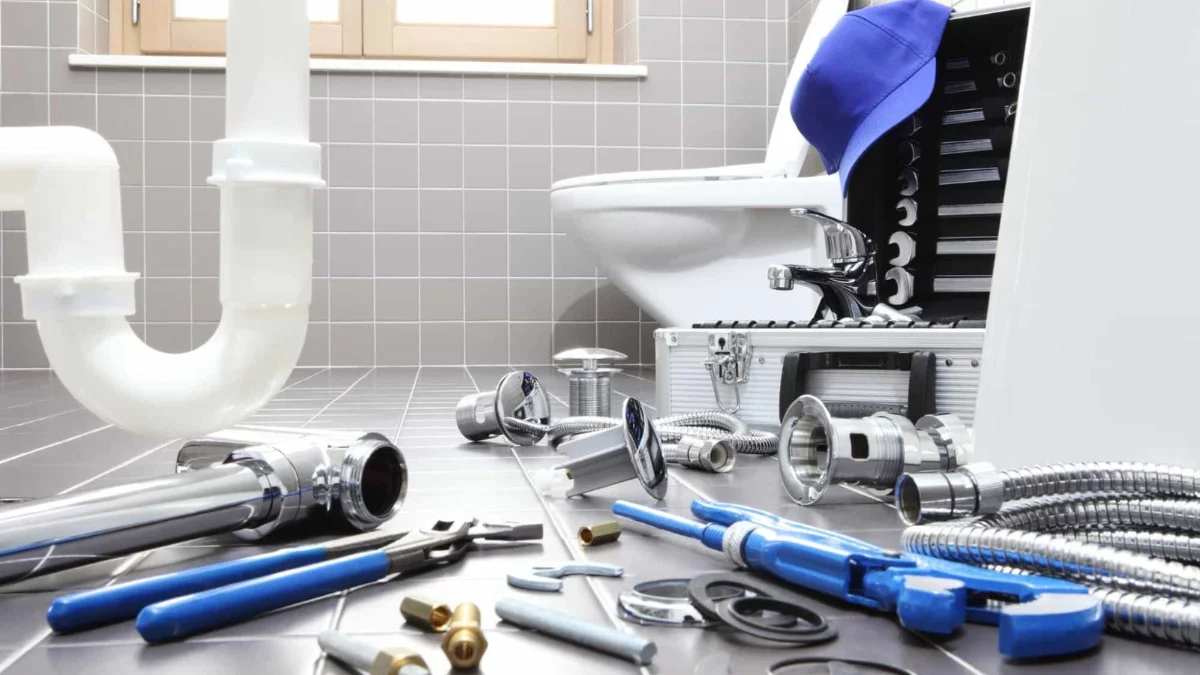
Plumbing is one of the most important systems in any home, providing clean water for drinking, cooking, cleaning, and bathing while safely removing wastewater. However, even a well-maintained plumbing system can develop faults over time. Understanding Common Home Plumbing Problems allows homeowners to recognise early warning signs and take action before minor issues become expensive repairs. Whether you own a modern property or a traditional UK home, knowing how plumbing works can save both time and money.
Ignoring plumbing issues rarely makes them disappear. Small leaks, blocked drains, or unusual noises often develop into larger problems that affect the structure of your property and increase water bills. This guide explores the most Common Home Plumbing Problems, explains their causes, and provides practical advice on prevention, maintenance, and when it is time to contact a qualified plumber.
Understanding Common Home Plumbing Problems
Every household experiences plumbing wear and tear because pipes, fittings, taps, and appliances are used daily. As plumbing systems age, components naturally deteriorate, while hard water, corrosion, changing weather conditions, and accidental damage can all contribute to faults. Learning about Common Home Plumbing Problems helps homeowners detect issues early and avoid unnecessary repair costs.
Regular inspections play an important role in maintaining a reliable plumbing system. Looking for damp patches, unusual sounds, slow drainage, or unexpected changes in water pressure can reveal hidden problems before they become serious. A proactive maintenance routine not only protects your property but also extends the lifespan of your entire plumbing system while reducing the likelihood of emergency repairs.
Dripping Taps and Leaking Fixtures
A dripping tap may seem like a minor annoyance, yet it can waste thousands of litres of water each year if ignored. In most cases, worn washers, damaged cartridges, loose seals, or ageing internal components are responsible for the leak. Fortunately, replacing these inexpensive parts often restores the tap to full working order and prevents unnecessary water waste.
Leaking fixtures beneath sinks, around baths, or inside shower units are also among the most Common Home Plumbing Problems found in UK homes. Water escaping from these fittings can damage flooring, cupboards, plaster, and surrounding walls while encouraging mould growth. Carrying out routine inspections around kitchens and bathrooms helps identify leaks before they become costly structural issues.
Blocked and Slow Drains
Blocked drains are one of the most frustrating household plumbing issues because they interfere with daily routines and often produce unpleasant smells. Kitchen sinks commonly become blocked by grease, cooking oil, food scraps, and coffee grounds, while bathroom drains usually collect hair, soap residue, and personal care products that gradually restrict water flow.
Many minor blockages can be cleared using a plunger, drain snake, or natural cleaning solution made from hot water, baking soda, and vinegar. However, if several drains begin backing up simultaneously or foul odours continue despite cleaning, professional drain inspection is recommended because the blockage may exist deeper within the property’s drainage network.
Running Toilets and Toilet Problems
A toilet that continues running after flushing wastes a significant amount of clean water every day and increases household utility bills. Common causes include faulty flapper valves, damaged fill valves, incorrectly adjusted float mechanisms, or worn seals inside the cistern. Fortunately, many replacement parts are affordable and relatively simple for a plumber to install.
Recurring toilet blockages, weak flushing performance, or water leaking around the toilet base should never be ignored. These Common Home Plumbing Problems may indicate damaged pipework or underlying drainage faults that require professional attention. Prompt repairs reduce the risk of water damage while ensuring your bathroom remains hygienic and fully functional.
Leaking Pipes and Hidden Water Leaks

Pipe leaks are among the most damaging plumbing issues because they often remain hidden behind walls, beneath flooring, or inside ceilings for weeks or even months. During this time, escaping water can weaken structural timber, damage insulation, encourage mould growth, and significantly increase water bills without homeowners immediately noticing the cause.
Signs of hidden leaks include damp patches, peeling paint, unexplained mould, musty odours, reduced water pressure, and unusually high utility bills. If you notice any of these warning signs, contacting a qualified plumber quickly can prevent extensive property damage and reduce the overall cost of repairs.
Low Water Pressure
Low water pressure makes everyday household activities much more difficult, from showering and washing dishes to filling kettles and operating appliances. This problem may develop because of mineral build-up inside pipes, partially closed stop valves, hidden leaks, ageing plumbing systems, or faults affecting the local water supply.
Checking whether the problem affects one tap or the entire property helps identify the source of the issue. While cleaning aerators may solve isolated problems, persistent low pressure throughout the house often requires a professional plumbing inspection to identify damaged pipes, pressure regulator faults, or concealed leaks.
Boiler and Hot Water Plumbing Problems
Reliable hot water is essential throughout the year, particularly during the colder UK months. Plumbing issues connected to boilers and hot water systems include inconsistent temperatures, noisy operation, leaking valves, low boiler pressure, and complete loss of hot water. These faults reduce comfort while affecting the efficiency of your heating system.
Regular boiler servicing helps identify worn components before they fail unexpectedly. Professional maintenance improves energy efficiency, reduces running costs, extends equipment lifespan, and ensures the system operates safely. Annual servicing also minimises the risk of emergency breakdowns during periods of high demand.
Burst Pipes and Frozen Pipes
Winter weather presents one of the greatest challenges for household plumbing systems. When temperatures fall below freezing, water trapped inside exposed pipes expands as it freezes, placing enormous pressure on pipe walls. Without adequate insulation, this pressure may eventually cause pipes to crack or burst, resulting in severe flooding.
Preventing frozen pipes is considerably less expensive than repairing flood damage. Insulating exposed pipework, sealing draughts, and maintaining a minimum level of heating during cold weather all reduce the likelihood of frozen pipes. If a pipe bursts, immediately switch off the main water supply and contact an emergency plumber to minimise damage.
Preventing Common Home Plumbing Problems
Preventative maintenance remains the most effective way to reduce Common Home Plumbing Problems throughout the year. Homeowners should regularly inspect visible pipework, repair dripping taps, avoid pouring grease into kitchen sinks, clean drain covers, and monitor water pressure. These simple habits significantly reduce the risk of expensive plumbing emergencies.
Scheduling routine inspections by a qualified plumber also provides long-term benefits. Professional maintenance identifies hidden faults before they worsen, improves plumbing efficiency, extends the lifespan of fixtures and appliances, and ensures your home remains protected from unexpected water damage. Investing in preventative care almost always costs less than emergency repairs.
Conclusion
Understanding Common Home Plumbing Problems allows homeowners to protect both their property and their finances. Issues such as blocked drains, leaking taps, hidden pipe leaks, low water pressure, frozen pipes, and toilet faults are extremely common, yet they can often be prevented through regular maintenance and early intervention. Acting quickly when warning signs appear helps avoid larger repairs and unnecessary disruption.
By carrying out routine inspections, maintaining your plumbing system properly, and seeking professional assistance whenever necessary, you can keep your home’s plumbing operating safely and efficiently for many years. A well-maintained plumbing system not only improves daily comfort but also protects your investment while reducing water waste and costly repair bills.
Frequently Asked Questions
What are the most common home plumbing problems?
Common home plumbing problems include dripping taps, blocked drains, leaking pipes, running toilets, and low water pressure.
Can I repair common home plumbing problems myself?
Yes, minor issues can often be fixed yourself, but major plumbing repairs require a qualified plumber.
How can I prevent common home plumbing problems?
Regular maintenance, prompt repairs, and annual plumbing inspections help prevent most plumbing issues.
Why is my home’s water pressure suddenly low?
Low water pressure is usually caused by leaks, blockages, or faulty plumbing components.
When should I call a professional plumber?
Call a professional plumber if you have burst pipes, hidden leaks, or recurring plumbing problems.