
Best Smart Home Hub: Top Picks & Buying Guide 2026
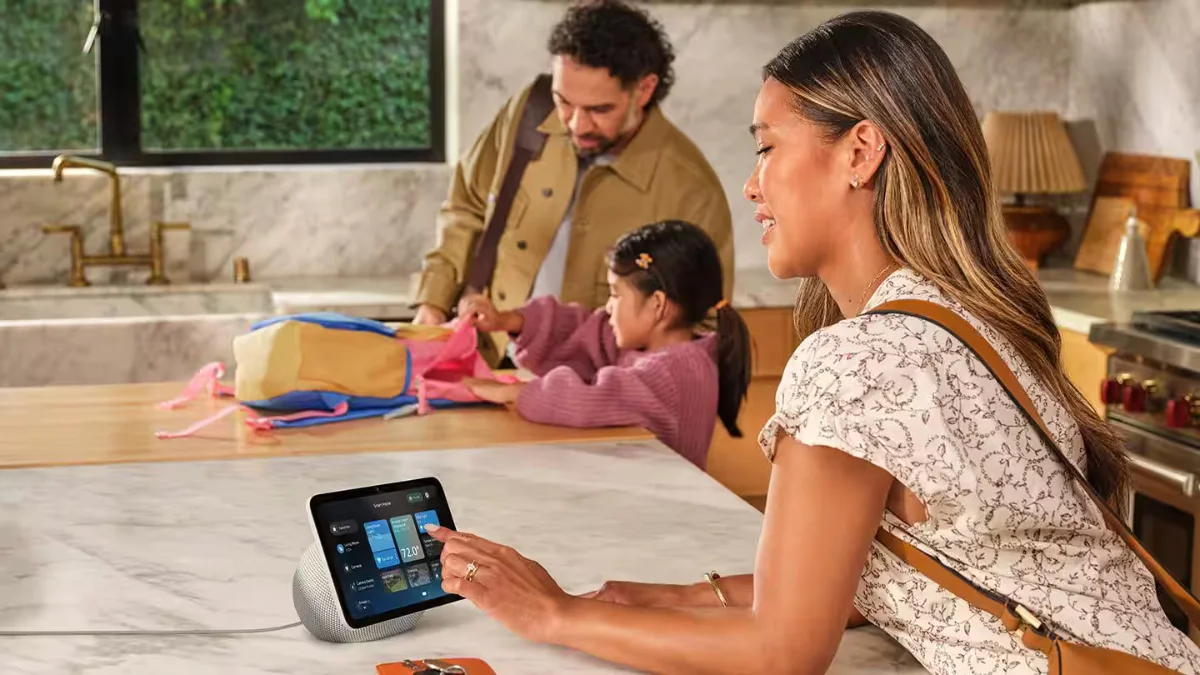
A smart home is no longer a futuristic concept. From intelligent lighting and connected security cameras to smart thermostats and automated door locks, modern technology has transformed the way people manage their homes. At the centre of this connected experience is the Best Smart Home Hub, a device that brings all compatible smart products together and allows them to communicate through a single platform. Instead of switching between multiple mobile applications, homeowners can control everything from one convenient location.
Choosing the Best Smart Home Hub can significantly improve the performance, reliability and convenience of your smart home. Whether you are purchasing your first smart devices or expanding an existing setup, selecting the right hub ensures better compatibility, smoother automation and stronger security. This guide explores everything you need to know before investing in a smart home hub in 2026, helping you choose a solution that suits both your lifestyle and future technology needs.
What Is a Smart Home Hub?
A smart home hub acts as the central controller for connected devices throughout your home. It communicates with compatible products using technologies such as Matter, Zigbee, Z-Wave, Thread, Wi-Fi and Bluetooth, allowing devices from different manufacturers to work together. Rather than relying on separate applications for each product, a hub creates one unified ecosystem that simplifies everyday management.
Unlike a standard smart speaker that mainly responds to voice commands, a dedicated smart home hub provides much deeper automation and control. It enables devices to interact intelligently with one another by creating routines and schedules based on your preferences. For example, lights can automatically switch on when motion is detected, heating can adjust before you arrive home and security systems can activate when everyone leaves the property.
Why the Best Smart Home Hub Matters
Managing several smart devices individually quickly becomes frustrating as your connected home grows. Different brands often require different applications, login details and settings, making everyday control unnecessarily complicated. The Best Smart Home Hub removes this problem by providing one central dashboard where everything can be managed efficiently and consistently.
A quality hub also improves reliability because many advanced models support local automation rather than relying entirely on cloud services. This means routines continue working even if your internet connection becomes unstable. Faster response times, greater privacy and improved security make a dedicated hub an excellent investment for homeowners who want a dependable and future-ready smart home system.
Benefits of Using the Best Smart Home Hub
One of the biggest advantages of installing the Best Smart Home Hub is convenience. Instead of opening multiple applications to control lights, locks, cameras and thermostats, you can manage every compatible device from one simple interface. This saves time while creating a much smoother user experience, particularly in households with many connected products.
Another major benefit is automation. Modern hubs allow users to create personalised routines that simplify everyday living. Lights can automatically dim during the evening, heating can lower when nobody is home and security cameras can activate whenever doors are locked. These intelligent routines not only improve comfort but can also reduce energy consumption and increase overall household security.
How to Choose the Best Smart Home Hub
Selecting the right hub starts with compatibility. Before purchasing, check whether your existing smart devices support the hub’s communication protocols. Matter has become increasingly popular because it improves compatibility across different brands, while Zigbee, Z-Wave and Thread remain excellent options for reliable device communication. Choosing a hub with broad compatibility ensures your current devices continue working while allowing future upgrades.
Ease of use should also play an important role in your decision. Some hubs are designed for beginners and offer straightforward installation with intuitive mobile applications, while others provide advanced automation tools for experienced users. Consider software updates, privacy features, local processing capabilities and voice assistant support before making your final decision, ensuring the hub continues delivering value for many years.
Essential Features to Look For

When comparing different smart home hubs, several features deserve careful attention. Support for multiple wireless protocols provides flexibility when adding new devices from different manufacturers. Local automation improves response times and privacy, while cloud access enables convenient remote control when you are away from home. Regular firmware updates also demonstrate the manufacturer’s commitment to long-term reliability.
Voice assistant compatibility is equally important. Many homeowners prefer controlling their smart homes using Amazon Alexa, Google Home or Apple Home. A hub that integrates smoothly with these platforms allows effortless voice control alongside mobile app management. Additional features such as energy monitoring, custom automation rules and secure remote access can further enhance the overall smart home experience.
Best Smart Home Hub Options in 2026
The smart home market offers a wide range of excellent hubs suitable for different types of users. Some focus on simplicity and quick installation, making them ideal for beginners, while others provide advanced automation features designed for technology enthusiasts who enjoy creating detailed smart home routines. The right choice depends largely on your existing devices and preferred ecosystem.
Popular options continue to include Matter-compatible hubs, advanced local automation systems and multi-protocol controllers capable of supporting Zigbee, Thread and Z-Wave devices simultaneously. Many premium hubs now prioritise privacy through local processing while offering extensive compatibility with voice assistants and cloud services. Carefully comparing these capabilities helps identify the hub that best matches your long-term requirements.
Comparing Smart Home Ecosystems
Every smart home ecosystem offers unique strengths, making it important to choose one that aligns with your lifestyle. Amazon Alexa provides broad compatibility and convenient voice control, Google Home excels in intelligent automation and integration with Google services, while Apple Home focuses heavily on privacy and seamless performance within the Apple ecosystem.
More advanced users often prefer platforms such as Home Assistant or Hubitat because they offer extensive customisation and local automation. These systems require slightly more technical knowledge but reward users with greater flexibility and enhanced control over connected devices. Understanding the differences between ecosystems helps ensure your chosen hub supports both your current needs and future expansion plans.
Setting Up Your Smart Home Hub
Setting up a smart home hub is generally a straightforward process, especially with modern devices designed for quick installation. Most hubs only require a stable Wi-Fi or Ethernet connection, a compatible mobile application and a user account. After connecting the hub to your home network, you can begin pairing smart devices such as lights, thermostats, plugs and security cameras through the app’s guided setup process.
The location of your hub also plays a vital role in overall performance. Placing it in a central area of your home helps maintain stronger wireless communication with connected devices, reducing delays and improving reliability. Once everything is connected, you can organise devices into rooms, assign names and create custom routines that make everyday tasks easier and more efficient.
Smart Devices That Work with the Best Smart Home Hub
One of the greatest strengths of the Best Smart Home Hub is its ability to connect a wide variety of smart devices into one integrated ecosystem. Smart lighting systems allow you to control brightness and colour remotely, while smart plugs make ordinary appliances more intelligent by enabling scheduling and automation. Connected thermostats improve comfort while helping reduce energy consumption throughout the year.
Security devices also benefit significantly from a central hub. Smart locks, video doorbells, motion sensors, indoor cameras and outdoor surveillance systems can work together to provide comprehensive home protection. Many hubs also support smart blinds, smoke alarms, water leak detectors and air quality monitors, creating a safer, more convenient and highly automated living environment.
Understanding Matter, Zigbee, Z-Wave and Thread
Modern smart homes rely on communication standards that allow devices to exchange information quickly and securely. Matter has become one of the most important developments in the industry because it enables products from different manufacturers to work together more effectively. This reduces compatibility issues and gives homeowners greater freedom when choosing new smart devices without being restricted to a single brand.
Alongside Matter, technologies such as Zigbee, Z-Wave and Thread remain popular for reliable smart home communication. Zigbee supports large networks with low power consumption, while Z-Wave offers dependable performance with excellent device compatibility. Thread introduces faster mesh networking and improved reliability, making it an increasingly attractive option for future smart home installations. Choosing a hub that supports multiple protocols helps future-proof your investment.
Common Mistakes to Avoid When Buying a Smart Home Hub
Many people purchase a smart home hub based solely on price, only to discover later that it does not support their existing devices. Before buying, always check compatibility with your preferred ecosystem and communication protocols. Spending slightly more on a versatile hub often provides better long-term value by avoiding expensive upgrades or replacement devices in the future.
Another common mistake is ignoring software support and security updates. A hub that receives regular firmware updates is more likely to remain compatible with new products while protecting your home against emerging cyber threats. It is equally important to consider future expansion rather than only your current setup, ensuring the hub can accommodate additional smart devices as your home automation needs grow.
Maintenance and Security Tips
Maintaining your smart home hub is essential for achieving reliable performance and protecting your connected devices. Manufacturers regularly release firmware updates that improve stability, introduce new features and address security vulnerabilities. Checking for updates every few weeks helps ensure your hub continues operating efficiently while supporting the latest smart home technologies and accessories.
Network security is equally important because your hub acts as the central controller for your entire smart home. Use strong, unique passwords for your Wi-Fi network and smart home accounts, enable two-factor authentication whenever available and remove devices that are no longer in use. These simple steps help reduce security risks while keeping your connected home safe and dependable.
Who Should Buy the Best Smart Home Hub?
A smart home hub is an excellent choice for anyone who owns several connected devices and wants to manage them from one convenient location. Families benefit from shared control and automated routines, while homeowners enjoy improved energy efficiency, stronger security and easier day-to-day management. Even beginners can quickly appreciate the convenience offered by a well-designed smart home hub.
Technology enthusiasts often gain the greatest value because advanced hubs provide detailed automation options and extensive customisation. Whether you want to automate lighting schedules, create intelligent security routines or integrate dozens of connected devices, the Best Smart Home Hub provides the flexibility needed to build a truly personalised smart home experience that can continue expanding over time.
Conclusion
Choosing the Best Smart Home Hub is one of the most important decisions when building a connected home. A reliable hub simplifies device management, improves compatibility and allows different smart products to work together seamlessly. Whether your priority is convenience, security, energy efficiency or advanced automation, selecting the right hub creates a stronger foundation for your entire smart home ecosystem.
As smart home technology continues to evolve in 2026, investing in a hub with broad compatibility, support for Matter, Zigbee, Z-Wave and Thread, regular software updates and strong privacy features will help future-proof your setup. By carefully comparing features, ecosystems and automation capabilities, you can confidently choose a smart home hub that delivers outstanding performance for years to come.
Frequently Asked Questions
What is the Best Smart Home Hub in 2026?
The best smart home hub depends on your devices, preferred ecosystem and automation needs.
Do I really need a smart home hub?
Yes, if you use multiple smart devices, a hub makes control and automation much easier.
Which smart home hub is best for beginners?
A beginner-friendly hub offers simple setup, an intuitive app and broad device compatibility.
What is the difference between a smart home hub and a smart speaker?
A smart hub manages connected devices, while a smart speaker mainly provides voice control.
Does the Best Smart Home Hub support Matter?
Yes, many modern smart home hubs now support the Matter standard.
Can one smart home hub control devices from different brands?
Yes, compatible hubs can manage devices from multiple brands through supported protocols.
Which communication protocol is best for a smart home?
Matter is ideal for compatibility, while Zigbee, Z-Wave and Thread offer reliable connectivity.
Are smart home hubs secure?
Yes, reputable smart home hubs include encryption, updates and advanced security features.
Can I use a smart home hub without internet access?
Some hubs support local automation, allowing certain functions to work offline.
What should I consider before buying a smart home hub?
Check compatibility, supported protocols, security, ease of use and future expandability.