
Smart Home Climate Control: Complete Guide for 2026
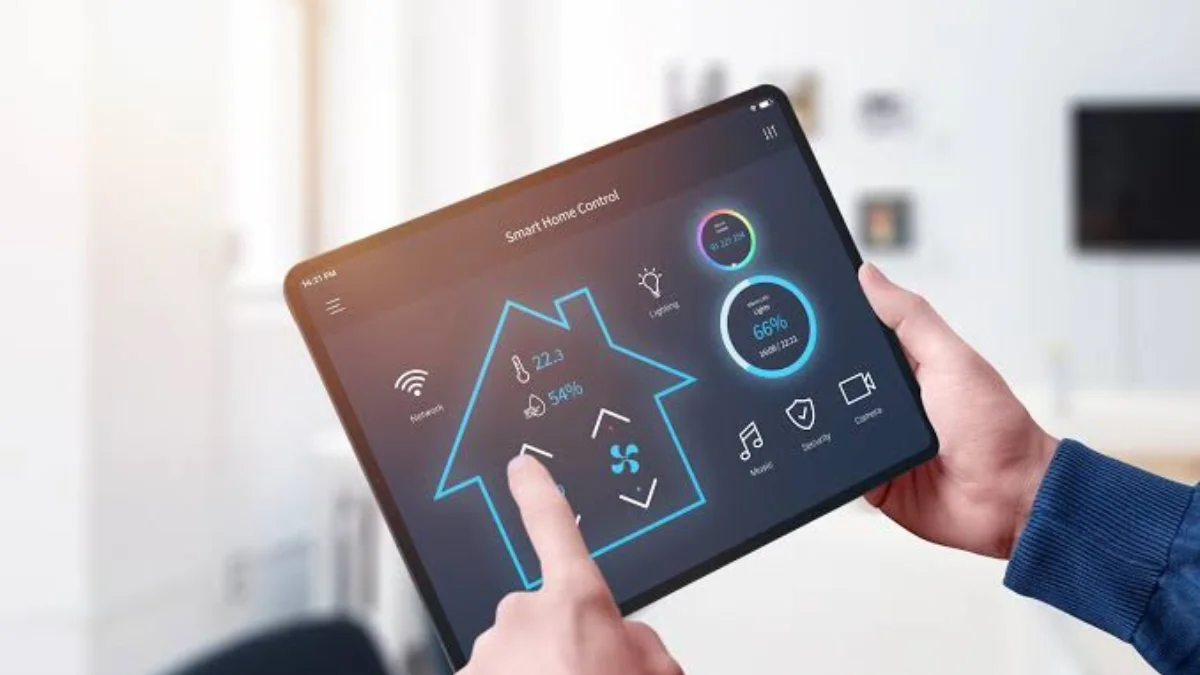
Smart Home Climate Control is changing the way homeowners manage indoor comfort, making it easier than ever to maintain the perfect temperature throughout the year. Instead of manually adjusting radiators, thermostats or air conditioning units, smart technology allows heating and cooling systems to respond automatically to your daily routine, weather conditions and occupancy. This creates a home that feels comfortable while using energy more efficiently.
As smart home technology continues to evolve in 2026, more UK households are investing in intelligent climate solutions that offer convenience, lower running costs and improved control. Whether you live in a modern apartment or a traditional family home, Smart Home Climate Control provides practical benefits that go beyond simple temperature management. This guide explains everything you need to know before choosing the right system.
What Is Smart Home Climate Control?
Smart Home Climate Control refers to an intelligent network of connected devices that automatically manages heating, cooling, ventilation and indoor temperatures. These systems typically include smart thermostats, radiator valves, sensors and mobile applications that communicate with one another to create the ideal living environment. Unlike traditional heating controls, smart systems learn your preferences and make adjustments without requiring constant manual input.
The technology is designed to improve comfort while reducing unnecessary energy consumption. By analysing information such as room occupancy, outdoor weather and daily routines, Smart Home Climate Control ensures that heating and cooling are only used when needed. This intelligent approach helps homeowners enjoy greater comfort, reduce energy waste and simplify everyday home management through a single connected platform.
How Smart Home Climate Control Works
A Smart Home Climate Control system operates by connecting multiple smart devices through your home’s Wi-Fi or another wireless communication protocol. The central smart thermostat collects information from sensors placed around the property, monitoring temperature, humidity and occupancy. It then sends instructions to your heating or cooling equipment to maintain the desired indoor climate with minimal energy use.
Many modern systems also include advanced features such as geofencing, which detects when you leave or return home using your smartphone’s location. Weather forecasting integration enables the system to anticipate temperature changes before they occur, while learning algorithms gradually understand your daily habits. Together, these intelligent technologies deliver a comfortable environment without requiring constant adjustments throughout the day.
Key Components of a Smart Home Climate Control System
Every Smart Home Climate Control setup includes several important components working together to create an efficient heating and cooling solution. The smart thermostat serves as the primary control centre, while smart radiator valves allow individual room temperatures to be adjusted independently. Additional devices such as humidity sensors, occupancy detectors and smart air conditioning controllers provide greater accuracy and automation.
Many homeowners also choose to install a smart hub that connects every compatible device into one unified ecosystem. This allows seamless communication between climate controls, lighting, security systems and voice assistants such as Amazon Alexa, Google Home and Apple Home. By integrating multiple technologies, users can create personalised routines that improve comfort while reducing unnecessary energy usage.
Benefits of Smart Home Climate Control
One of the greatest advantages of Smart Home Climate Control is its ability to reduce household energy consumption without compromising comfort. Intelligent scheduling ensures heating and cooling only operate when necessary, while room-by-room zoning prevents energy from being wasted in unused areas. These features can contribute to lower utility bills and a more environmentally responsible lifestyle over time.
Convenience is another major benefit that attracts homeowners to smart climate systems. Mobile applications provide complete control wherever you are, allowing temperatures to be adjusted remotely before arriving home. Automated routines eliminate repetitive manual adjustments, while voice commands make everyday operation even simpler. Together, these features create a more comfortable, connected and efficient living environment.
Popular Features of Smart Home Climate Control

Modern climate control systems include a wide variety of intelligent features designed to improve both comfort and efficiency. Smart scheduling enables homeowners to create personalised heating routines based on workdays, weekends and holidays. Learning thermostats gradually understand user behaviour and automatically optimise temperatures without requiring continual adjustments, making everyday living significantly easier.
Additional features include weather-responsive automation, humidity monitoring, occupancy detection and detailed energy usage reports. Many systems also support room zoning, allowing different temperatures to be maintained in bedrooms, living areas and home offices simultaneously. Voice assistant compatibility and smartphone notifications further enhance convenience by providing instant access to your home’s climate from virtually anywhere.
Choosing the Right Smart Home Climate Control System
Selecting the most suitable Smart Home Climate Control system requires careful consideration of your property’s heating setup, budget and existing smart home devices. Homes with boilers, underfloor heating or heat pumps may require different types of smart thermostats or controllers. Ensuring compatibility before purchasing equipment helps avoid installation issues and provides the best long-term performance.
It is equally important to consider future expansion when choosing a system. Investing in devices that support popular connectivity standards such as Matter, Zigbee or Z-Wave makes it easier to add new smart products later. Homeowners should also compare warranty coverage, software updates and manufacturer support to ensure their investment remains reliable for many years.
Installation and Energy Saving Tips
Installing a Smart Home Climate Control system is often straightforward, especially if you choose wireless devices designed for DIY installation. Before fitting any equipment, check that your existing boiler, heat pump or air conditioning system is compatible with the smart thermostat you plan to purchase. Reading the manufacturer’s instructions carefully and placing sensors away from direct sunlight or draughts will improve the accuracy of temperature readings.
Once your system is installed, take advantage of automation features to maximise energy savings. Create heating schedules that match your family’s daily routine and reduce temperatures when rooms are unoccupied. Reviewing energy reports regularly helps identify unnecessary heating patterns, allowing you to make small adjustments that can lower energy consumption while maintaining a comfortable indoor environment throughout the year.
Smart Home Climate Control for Different Homes
Every property has unique heating and cooling requirements, making it important to choose a Smart Home Climate Control system that suits your home’s size and layout. Flats and smaller homes often benefit from a single smart thermostat, while larger properties may require multiple sensors and smart radiator valves to provide accurate room-by-room temperature control. This flexible approach ensures every area receives the right amount of heating.
Older UK homes can also benefit from smart climate technology despite having traditional heating systems. Many smart thermostats are compatible with conventional boilers, allowing homeowners to modernise their heating without replacing existing equipment. New-build properties, on the other hand, often include underfloor heating or heat pumps that integrate seamlessly with advanced smart climate control systems for even greater efficiency.
Common Problems and Troubleshooting
Like any connected technology, Smart Home Climate Control systems may occasionally experience minor issues. Poor Wi-Fi coverage can interrupt communication between devices, while incorrect sensor placement may lead to inaccurate temperature readings. Fortunately, most problems can be resolved by improving wireless connectivity, updating device software or repositioning sensors to more suitable locations within the home.
Regular maintenance also helps keep your climate control system operating efficiently. Replace batteries in wireless sensors when required, install firmware updates promptly and review automation routines every few months to ensure they still reflect your lifestyle. Performing these simple maintenance tasks improves reliability and helps prevent unexpected issues during colder winter months or warmer summer periods.
Future Trends in Smart Home Climate Control
The future of Smart Home Climate Control is becoming increasingly intelligent as artificial intelligence and machine learning continue to improve home automation. Next-generation systems will analyse user habits more accurately, predict changing weather conditions and automatically optimise indoor temperatures with minimal user input. These advancements will make climate management even more efficient while reducing household energy consumption.
Sustainability is also shaping the future of smart climate technology. Many manufacturers are developing systems that integrate with renewable energy sources such as solar panels and battery storage. Improved compatibility with heat pumps and Matter-certified smart devices will allow homeowners to build flexible, future-proof ecosystems that support energy efficiency while reducing environmental impact.
Smart Home Climate Control vs Traditional Heating Controls
Traditional heating controls usually require homeowners to adjust temperatures manually using basic thermostats or timers. While these systems remain functional, they lack the intelligence and automation available through Smart Home Climate Control. As a result, heating often continues unnecessarily, increasing energy costs and reducing overall efficiency throughout the property.
By comparison, smart climate systems respond automatically to occupancy, weather forecasts and daily routines. They provide remote access through smartphone applications, support voice commands and deliver detailed energy reports that help homeowners understand their heating habits. These additional features make smart systems a worthwhile investment for those seeking greater comfort, convenience and long-term savings.
Maintenance and Best Practices
Keeping your Smart Home Climate Control system well maintained ensures reliable performance and maximum efficiency throughout the year. Regularly clean sensors, check battery-powered devices and install software updates as they become available. These simple maintenance tasks help improve accuracy while protecting your smart devices from performance issues caused by outdated firmware or poor connectivity.
It is also beneficial to review your heating schedules at the beginning of each season. Winter and summer often require different temperature settings, and small adjustments can produce noticeable energy savings over time. Homeowners should also secure their smart home network with strong passwords and updated security settings to protect connected devices from unauthorised access.
Conclusion
Smart Home Climate Control has become one of the most valuable innovations in modern home automation, offering homeowners a practical way to improve comfort while reducing energy costs. Intelligent thermostats, connected sensors and automated schedules work together to create an environment that adapts to your lifestyle rather than requiring constant manual adjustments. This combination of convenience and efficiency makes smart climate technology an excellent investment for homes of every size.
As technology continues to develop throughout 2026 and beyond, Smart Home Climate Control systems will become even smarter, more sustainable and easier to integrate with other connected devices. Choosing compatible equipment, using automation effectively and maintaining your system properly will help you enjoy reliable performance for years to come. Whether your goal is greater comfort, lower energy bills or a more environmentally friendly home, smart climate control provides a future-ready solution.
Frequently Asked Questions
What is Smart Home Climate Control?
Smart Home Climate Control uses connected devices to automatically manage your home’s heating and cooling.
How does Smart Home Climate Control reduce energy bills?
It saves energy by adjusting temperatures automatically based on schedules, occupancy and weather.
Can I install a Smart Home Climate Control system myself?
Yes, many smart thermostats are DIY-friendly, although some systems may require professional installation.
Which smart home platforms support Smart Home Climate Control?
Most systems are compatible with Amazon Alexa, Google Home and Apple Home.
Is Smart Home Climate Control worth the investment?
Yes, it improves comfort, increases energy efficiency and can help reduce household energy bills./