
Modern Smart Lighting Systems: Complete Guide 2026
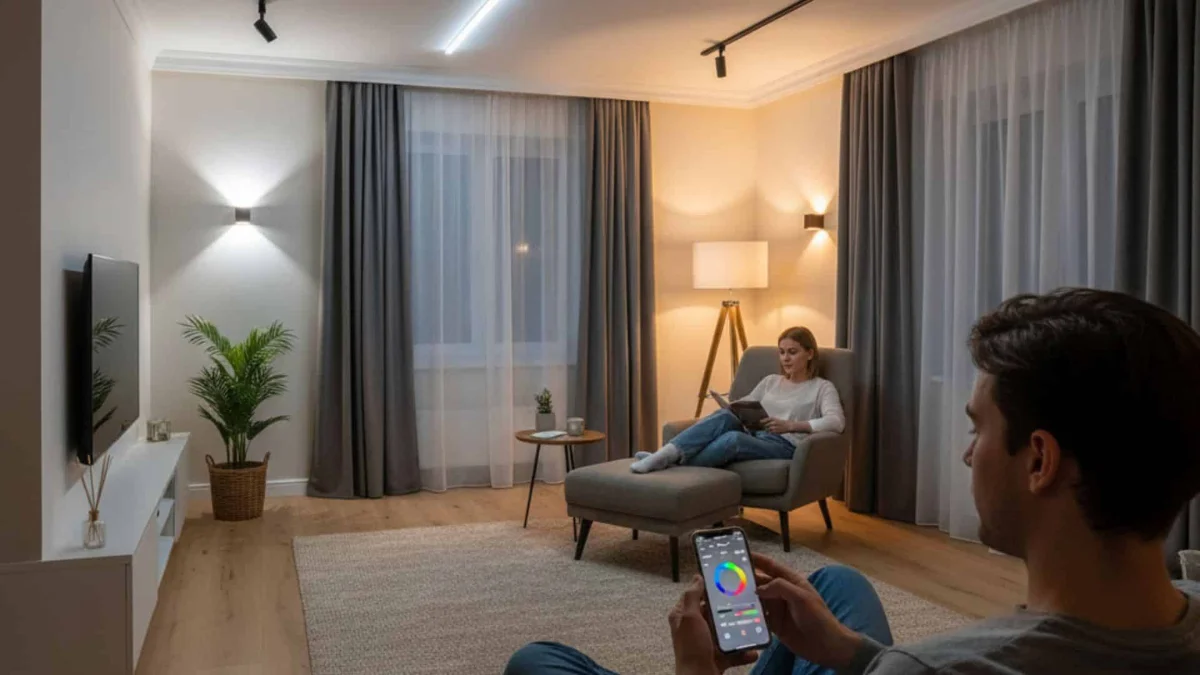
Modern Smart Lighting Systems are transforming the way people illuminate and control their homes. Unlike traditional lighting, these advanced systems allow users to manage brightness, colour temperature and schedules through mobile apps, voice assistants or automated routines. Whether you are upgrading a single room or planning a complete smart home, intelligent lighting offers greater convenience, improved comfort and enhanced energy efficiency for everyday living.
As smart home technology continues to evolve, Modern Smart Lighting Systems have become more affordable and easier to install than ever before. From simple smart bulbs to fully connected lighting ecosystems, homeowners can customise every aspect of their lighting experience. This guide explains how these systems work, their key benefits and the essential features to consider before investing in the ideal solution for your home.
What Are Modern Smart Lighting Systems?
Modern Smart Lighting Systems are internet-connected lighting solutions that enable remote control, automation and personalisation. Rather than relying solely on wall switches, users can adjust lighting using smartphones, tablets or voice commands. Many systems also include sensors, timers and automation features that respond to daily routines, making homes more convenient and efficient.
These systems typically consist of smart bulbs, smart switches, hubs and mobile applications working together. They can integrate seamlessly with popular smart home platforms, allowing lighting to communicate with other connected devices. As technology advances, Modern Smart Lighting Systems continue to provide homeowners with greater flexibility, enhanced security and a more personalised living environment.
How Modern Smart Lighting Systems Work
Modern Smart Lighting Systems rely on wireless communication technologies such as Wi-Fi, Zigbee, Bluetooth, Z-Wave and Matter. These technologies allow smart bulbs and lighting accessories to communicate with mobile applications, smart speakers and automation hubs. Once connected, users can switch lights on or off, adjust brightness or create customised lighting scenes from virtually anywhere.
Many systems also include automation features that simplify daily routines. Motion sensors can activate lights automatically when someone enters a room, while scheduling allows lights to turn on before you arrive home or switch off after bedtime. Voice assistants such as Amazon Alexa, Google Home and Apple Home make controlling your lighting effortless through simple spoken commands.
Benefits of Modern Smart Lighting Systems
One of the biggest advantages of Modern Smart Lighting Systems is improved convenience. Homeowners can control every light in their property without walking from room to room. Automated schedules eliminate the need to remember switching lights on or off, while customised scenes instantly create the perfect atmosphere for relaxing, working or entertaining guests.
Another major benefit is improved energy efficiency. Smart LED lighting consumes significantly less electricity than traditional bulbs, helping reduce household energy bills over time. Many systems also monitor energy usage and automatically switch off unused lights, contributing to lower electricity consumption and supporting environmentally responsible living without sacrificing comfort or style.
Types of Modern Smart Lighting Systems
Today’s market offers a wide variety of smart lighting products designed for different rooms and lifestyles. Smart bulbs are the simplest option, replacing existing bulbs without requiring electrical modifications. Smart ceiling lights, downlights, wall lights and decorative light strips provide additional flexibility for homeowners looking to create stylish and functional lighting throughout their property.
For larger homes, smart switches and complete home lighting systems offer centralised control across multiple rooms. Outdoor smart lighting, including pathway lights, floodlights and garden illumination, improves both security and kerb appeal. Choosing the right combination depends on your home’s layout, existing wiring, preferred smart home platform and overall budget.
Features to Look for in Modern Smart Lighting Systems

When selecting Modern Smart Lighting Systems, compatibility should be one of the first considerations. Ensure the lighting works with your preferred smart home ecosystem, whether Amazon Alexa, Google Home, Apple Home or Matter-supported devices. Broad compatibility makes future upgrades easier and helps create a fully connected smart home experience.
Other valuable features include adjustable brightness, colour-changing capabilities, scheduling, remote access, energy monitoring and motion detection. Some premium systems also provide geofencing, allowing lights to activate automatically when you approach your property. These intelligent features improve convenience while creating a more comfortable, secure and personalised home environment.
Choosing the Right Smart Lighting System
Selecting the ideal lighting solution begins by evaluating your home’s size, lifestyle and daily requirements. Smaller properties may only require a few smart bulbs, while larger homes often benefit from complete lighting systems with dedicated hubs and automation capabilities. Planning ahead ensures your chosen system can grow alongside your future smart home ambitions.
Budget is another important consideration when purchasing smart lighting. Although premium products may have higher initial costs, they often provide superior reliability, better app support and longer product lifespans. Investing in quality products from reputable manufacturers usually delivers better long-term value through improved performance and fewer maintenance issues.
Installing Modern Smart Lighting Systems
Many Modern Smart Lighting Systems are designed for straightforward DIY installation. Smart bulbs usually require nothing more than replacing an existing bulb, downloading the manufacturer’s application and following simple setup instructions. This makes smart lighting accessible even for homeowners with limited technical knowledge or electrical experience.
More advanced installations involving smart switches or whole-home automation may require professional assistance, particularly when modifying electrical wiring. Professional installation helps ensure safety, compliance with local electrical regulations and optimal system performance. Once installed correctly, smart lighting requires very little ongoing maintenance beyond occasional software updates.
Energy Efficiency and Smart Automation
Energy efficiency remains one of the strongest reasons to invest in intelligent lighting technology. LED smart bulbs consume considerably less electricity than traditional incandescent alternatives while offering significantly longer operating lifespans. Automated schedules prevent unnecessary energy consumption by ensuring lights are only active when required, reducing both waste and household expenses.
Automation also improves comfort by adapting lighting to your lifestyle. Morning routines can gradually increase brightness to support natural waking, while evening schedules create warm lighting that encourages relaxation. Security routines can simulate occupancy during holidays, making properties appear occupied even when homeowners are away for extended periods.
Future Trends in Smart Lighting
The future of smart lighting continues to evolve with exciting innovations focused on automation, artificial intelligence and improved interoperability. Matter is rapidly becoming a universal standard, allowing devices from different manufacturers to communicate more effectively. This simplifies setup and gives homeowners greater freedom when choosing products from multiple brands.
Artificial intelligence is also expected to make lighting more responsive to individual behaviour. Future systems may automatically learn household routines, optimise energy consumption and adjust lighting according to weather conditions, occupancy and natural daylight. These developments will further improve convenience while supporting more sustainable and efficient homes.
Conclusion
Modern Smart Lighting Systems represent one of the most valuable upgrades for today’s connected homes. They combine intelligent automation, energy efficiency, enhanced security and personalised comfort into one easy-to-manage solution. Whether you are installing a single smart bulb or creating a complete lighting ecosystem, the technology offers practical benefits that improve everyday living.
Choosing the right system depends on your home’s requirements, preferred smart platform and available budget. By understanding the available features, installation options and future developments, homeowners can confidently invest in Modern Smart Lighting Systems that provide lasting value, greater convenience and a smarter, more energy-efficient home for years to come.
Frequently Asked Questions
What are Modern Smart Lighting Systems?
Modern Smart Lighting Systems are connected lights that can be controlled using apps, voice assistants or automated schedules.
Do Modern Smart Lighting Systems save energy?
Yes, they use energy-efficient LED technology and automation to help reduce electricity consumption.
Can I install smart lighting myself?
Yes, most smart bulbs are easy to install, while smart switches may require professional installation.
Which smart home platforms support smart lighting?
Most smart lighting systems work with Amazon Alexa, Google Home, Apple Home and Matter.
Are Modern Smart Lighting Systems worth buying?
Yes, they offer greater convenience, improved energy efficiency, enhanced security and better home comfort.