
Latest Interior Colour Trends for Stylish Homes 2026
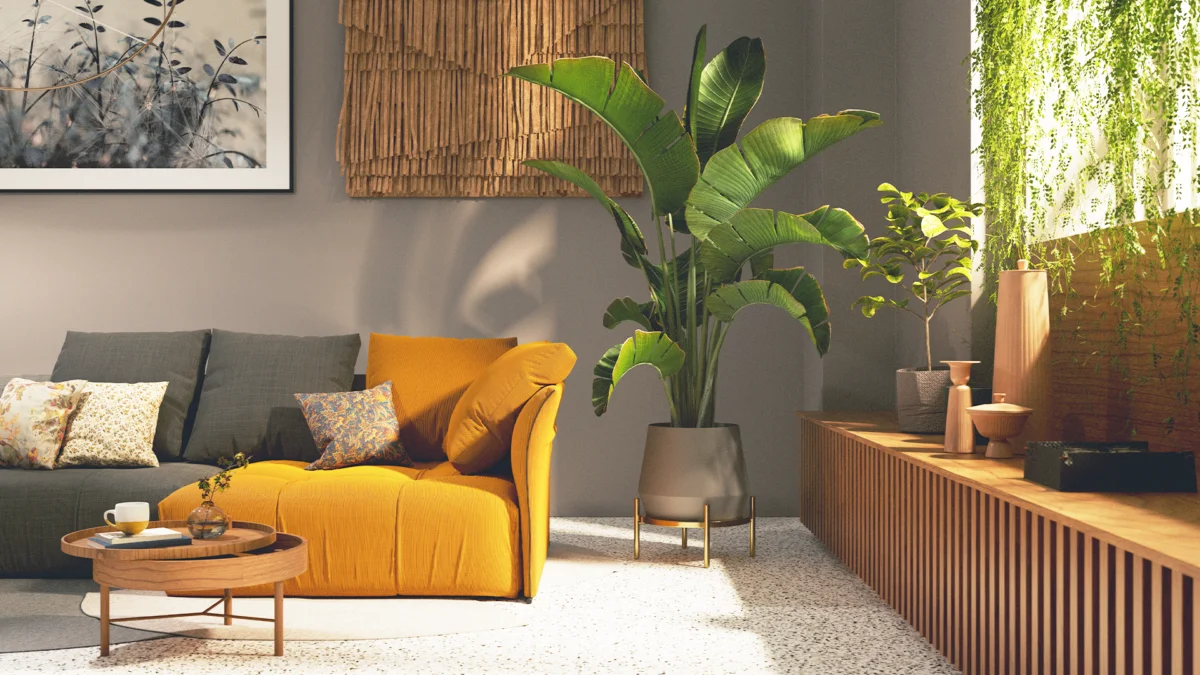
The Latest Interior Colour Trends are redefining the way homeowners design and decorate their living spaces in 2026. Modern interiors are moving away from cold, plain colour schemes and embracing warmer, nature-inspired palettes that create inviting, stylish and comfortable homes. Whether you are renovating a single room or planning a complete home makeover, selecting the right colours can dramatically improve both the appearance and atmosphere of your property. Today’s trends focus on creating spaces that feel timeless while reflecting individual personality and lifestyle.
Following the Latest Interior Colour Trends is about much more than choosing fashionable paint colours. It involves understanding how colour influences mood, lighting and the overall balance of a room. Rich earthy shades, calming greens, sophisticated blues and luxurious burgundy tones are becoming increasingly popular because they offer warmth without compromising elegance. In this guide, you will discover the latest colour palettes, expert decorating advice and practical ideas to help you create a beautiful home that remains stylish for years to come.
Why Interior Colour Trends Change Every Year
Interior design trends constantly evolve because people’s lifestyles, preferences and priorities continue to change. Designers take inspiration from architecture, fashion, travel, nature and cultural influences to create colour palettes that reflect contemporary living. As more homeowners focus on comfort and wellbeing, colours are chosen not only for their beauty but also for their ability to create relaxing and welcoming environments. This continuous evolution keeps interior design fresh while encouraging creativity in home decoration.
Another reason the Latest Interior Colour Trends change is the growing demand for sustainable and timeless interiors. Natural materials such as wood, stone and linen are becoming increasingly popular, encouraging homeowners to choose colours that complement these textures. Earth-inspired shades create harmony throughout the home and work beautifully with both traditional and modern furniture. Rather than following short-lived fashions, many people now prefer colour schemes that remain attractive and practical for many years.
Latest Interior Colour Trends for 2026
The biggest colour movement in 2026 focuses on warmth, depth and natural beauty. Rich earthy browns, soft caramel shades and warm beige colours are replacing cooler grey interiors, bringing greater comfort and sophistication into homes. Forest green, olive and sage continue to dominate because they create peaceful spaces inspired by nature. These colours work exceptionally well alongside wooden flooring, stone surfaces and natural fabrics, making them suitable for almost every room.
Alongside these earthy tones, bold statement colours are becoming increasingly popular. Deep burgundy, plum, charcoal, navy blue and dark teal introduce luxury and personality without overwhelming a room. Meanwhile, softer accent colours such as butter yellow and muted blue provide freshness and brightness, making interiors feel balanced and welcoming. These colour combinations demonstrate how the Latest Interior Colour Trends successfully combine timeless elegance with contemporary style, allowing homeowners to personalise their living spaces with confidence.
Choosing the Right Colours for Every Room
Every room has its own purpose, meaning colour selection should support both functionality and comfort. Living rooms often benefit from warm neutral shades, earthy greens or soft beige tones that encourage relaxation and social interaction. Bedrooms are best decorated using calming colours such as muted blues, sage green and gentle taupe because these shades promote restful sleep while creating a peaceful atmosphere. Choosing room-specific colours helps establish harmony throughout the home without making every space look identical.
Kitchens and dining areas are increasingly embracing deeper, richer colours that create character and warmth. Dark green cabinets, navy blue islands and creamy white walls are particularly fashionable because they combine practicality with elegance. Bathrooms continue to favour fresh whites, pale blues and stone-inspired neutrals that enhance natural light and create a spa-like environment. Selecting colours based on each room’s lighting, size and purpose ensures every area feels both functional and visually appealing.
Popular Colour Combinations for Modern Homes
Modern interiors rarely rely on a single colour alone. Instead, successful designs combine complementary shades that create depth, contrast and balance throughout the home. One of the most popular combinations within the Latest Interior Colour Trends pairs earthy brown walls with cream furnishings and natural oak furniture. This palette feels warm, sophisticated and timeless while allowing decorative accessories to stand out without overwhelming the room’s overall appearance.
Another elegant combination features forest green alongside soft beige, creating interiors inspired by the natural world. Navy blue paired with warm white offers a clean yet luxurious appearance, while burgundy combined with light grey introduces richness without making rooms feel too dark. Metallic accents such as brushed brass, matte black or antique gold further enhance these colour schemes, adding subtle sophistication that complements both contemporary and traditional home designs.
How to Use Trending Colours Successfully

Using the Latest Interior Colour Trends effectively is about creating balance rather than filling every room with bold shades. A feature wall remains one of the simplest ways to introduce fashionable colours without overwhelming the space. Deep teal, olive green or burgundy can become a striking focal point when paired with neutral walls, allowing the room to feel modern while remaining bright and welcoming. This approach is also ideal for homeowners who enjoy updating their décor regularly.
Another effective method is to introduce trending colours through furniture, textiles and decorative accessories instead of repainting entire rooms. Cushions, rugs, curtains, artwork and lampshades can instantly refresh a space while keeping decorating costs under control. Testing paint samples under both natural and artificial lighting before making a final decision is equally important, as colours often appear different throughout the day depending on the direction and intensity of light entering the room.
Interior Colour Trends for Different Home Styles
Every home has its own architectural style, and the best colour palette should complement its unique character. Contemporary homes often feature clean lines, open layouts and minimalist décor, making warm neutrals, charcoal, muted greens and deep blues excellent choices. These colours create depth while maintaining the sleek appearance that modern interiors are known for. Combining natural wood with earthy paint colours further enhances the sense of warmth and sophistication.
Traditional British homes benefit from richer heritage-inspired colours that celebrate timeless elegance. Shades such as sage green, navy blue, burgundy and soft cream work beautifully alongside period features including fireplaces, decorative mouldings and timber flooring. Scandinavian-inspired interiors continue to embrace light neutrals, pale greens and natural textures, creating bright, airy spaces that maximise daylight while maintaining a cosy and welcoming atmosphere throughout every season.
Common Mistakes to Avoid When Choosing Interior Colours
One of the biggest decorating mistakes is selecting paint colours directly from small colour charts without testing them in the actual room. Lighting conditions, furniture, flooring and surrounding décor all influence how a colour appears once applied to the wall. A shade that looks perfect in a showroom may appear completely different inside your home. Painting sample sections on different walls allows you to observe colour changes throughout the day before committing to a full decorating project.
Another common mistake is following every trend without considering your home’s existing style or your personal preferences. Although the Latest Interior Colour Trends provide excellent inspiration, they should not replace practical decision-making. Choosing colours that suit your lifestyle, room size and furniture will always produce better long-term results than copying fashionable palettes without careful planning. A balanced approach ensures your home remains stylish well beyond 2026.
Expert Tips for Creating a Timeless Home
Creating a timeless interior begins with selecting neutral foundation colours that work well with changing trends. Warm beige, soft cream, gentle taupe and natural stone shades provide flexibility, allowing homeowners to introduce fashionable colours through smaller decorative elements. This strategy makes future updates simple and affordable because replacing accessories is far easier than repainting every wall whenever trends evolve.
High-quality paint and careful preparation also contribute significantly to long-lasting results. Investing in durable finishes ensures walls remain attractive despite everyday wear and tear, especially in busy family homes. Maintaining a consistent colour palette throughout the property creates visual flow while allowing each room to retain its own identity. By blending classic design principles with the Latest Interior Colour Trends, homeowners can achieve interiors that remain elegant, practical and welcoming for many years.
Conclusion
The Latest Interior Colour Trends for 2026 demonstrate that warmth, comfort and individuality are becoming the defining characteristics of modern interior design. Earth-inspired browns, calming greens, luxurious burgundy tones and elegant blues are replacing colder neutral palettes, helping homeowners create inviting spaces that feel both contemporary and timeless. These colours work beautifully across a wide range of home styles, making them suitable for both new-build properties and traditional British homes.
When choosing colours for your home, remember that successful decorating is about finding the right balance between current trends and personal style. Testing paint samples, considering natural lighting and combining timeless neutral shades with fashionable accents will help you create interiors that remain attractive for years to come. By using the Latest Interior Colour Trends thoughtfully, you can design a home that is stylish, functional and perfectly suited to modern living.
Frequently Asked Questions
What are the Latest Interior Colour Trends for 2026?
Earthy browns, olive green, burgundy, deep teal, navy blue and warm neutral shades are among the top trends.
Which interior colour is replacing grey?
Warm neutrals like beige, taupe, caramel and earthy brown are replacing cool grey tones.
Are earthy colours still fashionable?
Yes, earthy colours remain popular for creating warm, natural and timeless interiors.
What colours make a room look bigger?
Light shades such as white, cream, beige and pale blue help rooms feel brighter and more spacious.
Should every room use the same colour palette?
No, but using complementary colours throughout the home creates a cohesive look.
How often should I update my interior colours?
Refreshing your interior colours every 5–10 years is generally recommended.