
How To Clean An Oven: Easy Step-by-Step Guide (2026)
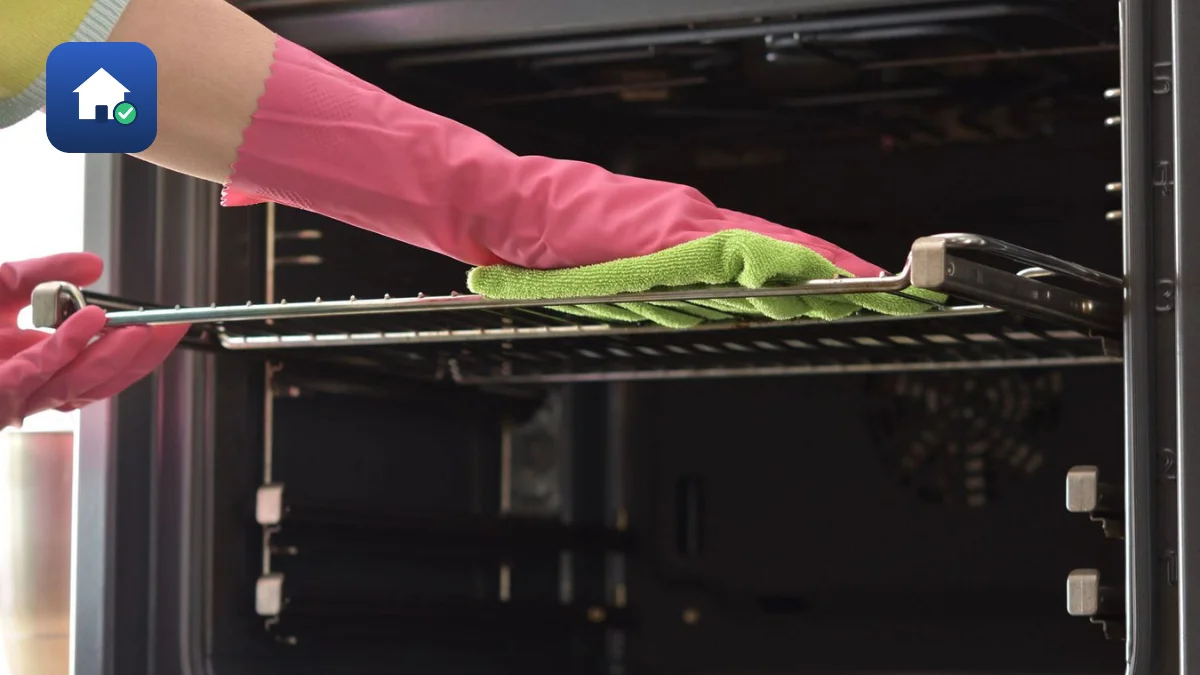
A clean oven is essential for preparing delicious meals, maintaining good kitchen hygiene and ensuring your appliance performs efficiently. Over time, grease, burnt food and stubborn carbon deposits build up inside the oven, affecting cooking performance and creating unpleasant odours. Learning How To Clean An Oven correctly helps you remove these deposits safely while extending the lifespan of your appliance. Whether you cook every day or only occasionally, regular oven cleaning keeps your kitchen fresher and your meals tasting their best.
If you have been searching for How To Clean An Oven, this comprehensive guide covers everything you need to know. From natural cleaning methods using baking soda and vinegar to commercial oven cleaners and quick maintenance tips, you’ll discover practical solutions suitable for every UK household. By following the advice below, How To Clean An Oven becomes a straightforward task rather than a dreaded household chore.
Why Cleaning Your Oven Regularly Matters
Many homeowners underestimate how much a dirty oven can affect everyday cooking. Thick layers of grease and burnt food prevent heat from circulating properly, which may result in unevenly cooked meals and longer cooking times. Understanding How To Clean An Oven regularly not only improves cooking performance but also reduces smoke, unpleasant smells and unnecessary energy consumption, making your appliance more efficient throughout the year.
Regular maintenance also saves both time and money in the long run. Instead of allowing burnt residue to harden over several months, cleaning little and often prevents stubborn stains from becoming difficult to remove. Making How To Clean An Oven part of your monthly cleaning routine reduces the need for aggressive scrubbing and helps preserve the oven’s interior surfaces, racks and glass door.
What You’ll Need Before You Start
Preparing your cleaning supplies before you begin makes the entire process quicker and far more effective. Essential items include rubber gloves, microfibre cloths, a soft sponge, a spray bottle, warm water and a non-scratch scouring pad. These tools help remove grease safely without damaging delicate oven surfaces. Choosing the right equipment is an important part of How To Clean An Oven, regardless of the cleaning method you decide to use.
Many UK homeowners prefer natural ingredients because they are inexpensive, environmentally friendly and highly effective. Baking soda, bicarbonate of soda, white vinegar and fresh lemons are excellent for loosening grease and burnt-on food. If your oven requires a deeper clean, a specialist oven cleaner can provide faster results. Preparing everything in advance makes How To Clean An Oven much simpler while reducing cleaning time and effort.
How To Clean An Oven Step by Step
The first step in How To Clean An Oven is ensuring the appliance has cooled completely before starting. Remove the oven racks, baking trays and any loose crumbs from the bottom using a damp cloth or handheld vacuum. Clearing away loose debris allows your cleaning solution to work directly on stubborn grease and burnt residue instead of loose dirt. Taking a few extra minutes to prepare the oven properly will make the entire cleaning process much easier.
Next, apply your chosen cleaning solution evenly across the oven interior while avoiding heating elements if recommended by the manufacturer. Leave the cleaner to soak for the appropriate amount of time before gently scrubbing softened grease with a non-abrasive sponge. The secret to How To Clean An Oven successfully is allowing the cleaner enough time to break down stubborn deposits before wiping every surface with clean water and drying the appliance thoroughly.
Natural Ways to Clean an Oven
Natural cleaning methods have become increasingly popular because they are safe, affordable and environmentally friendly. If you prefer avoiding harsh chemicals, learning How To Clean An Oven with everyday household ingredients is an excellent choice. Baking soda, white vinegar, bicarbonate of soda and fresh lemons can all break down grease and burnt-on food while keeping your kitchen free from strong chemical smells. These methods are suitable for most ovens and deliver impressive results when used correctly.
One of the most effective techniques is How To Clean An Oven with baking soda and vinegar. Mix baking soda with a little water to create a thick paste, then spread it across the oven interior, avoiding the heating elements. Leave the paste overnight before spraying white vinegar onto the remaining residue. The gentle fizzing reaction helps loosen stubborn grease, making it much easier to wipe away with a damp microfibre cloth. Fresh lemons also provide a natural alternative by softening grease while leaving the oven smelling fresh and clean.
Cleaning Different Parts of Your Oven

A complete oven clean involves more than just wiping the inside of the appliance. Knowing How To Clean An Oven properly means giving equal attention to the oven door, glass panels, shelves, trays and interior corners where grease often collects. Cleaning each component separately helps achieve a more thorough result and prevents dirt from transferring back onto freshly cleaned surfaces. Removing the racks and trays before cleaning also provides easier access to every part of the oven cavity.
The oven door glass should be cleaned carefully using warm soapy water or a mixture of vinegar and water together with a soft microfibre cloth. This removes grease and fingerprints without scratching the glass. Oven trays and shelves usually benefit from soaking in hot water with washing-up liquid before being gently scrubbed. An important part of How To Clean An Oven is keeping these removable parts clean, as they often collect the heaviest grease and burnt food residue during everyday cooking.
How To Clean An Oven Quickly
Busy households often need practical cleaning solutions that save time without compromising results. Fortunately, How To Clean An Oven quickly becomes much easier when fresh spills are removed before they harden. After the oven has cooled, wiping away grease and food residue with a damp cloth prevents stubborn build-up and reduces the amount of deep cleaning required later. Small, regular cleaning sessions are far more effective than waiting until the oven becomes heavily soiled.
If your oven already contains baked-on grease, a quality oven cleaner or dishwasher tablet can help speed up the process. Allow the cleaning product to sit for the recommended time before gently wiping the softened residue away using a non-scratch sponge. Following these simple techniques shows that How To Clean An Oven does not have to take hours, especially when regular maintenance becomes part of your normal kitchen routine.
Common Oven Cleaning Mistakes to Avoid
Many people unintentionally make mistakes that can damage their oven or reduce the effectiveness of the cleaning process. One of the biggest errors is attempting to clean the appliance while it is still hot. Hot surfaces can reduce the performance of certain cleaning products and increase the risk of burns. Allowing the oven to cool completely before starting is a safer and more effective approach for How To Clean An Oven.
Another mistake is using abrasive wire brushes or metal scourers that scratch enamel surfaces and oven door glass. Mixing different chemical cleaning products should also be avoided because certain combinations may create harmful fumes. Taking your time, reading product instructions carefully and using soft cleaning tools will help you achieve excellent results while protecting your appliance from unnecessary wear and damage.
Tips for Keeping Your Oven Cleaner for Longer
Keeping your oven clean is much easier when you prevent grease and food residue from building up in the first place. After cooking, allow the oven to cool before wiping away fresh spills with a damp microfibre cloth. This simple habit prevents stains from hardening and reduces the amount of scrubbing required during your next deep clean. Following these maintenance tips after How To Clean An Oven will help your appliance stay cleaner for longer.
Another effective way to reduce mess is by using oven-safe trays or liners to catch food drips before they reach the bottom of the oven. Regularly washing the oven racks and baking trays also prevents grease from transferring back inside the appliance. Spending just a few minutes each week on routine maintenance makes How To Clean An Oven much easier and helps keep your oven looking and performing like new.
Oven Cleaning Tips for UK Homes
Most UK homes use electric, gas or fan-assisted ovens, and each type benefits from regular cleaning and proper maintenance. Before using any cleaning product, always check the manufacturer’s instructions to ensure it is suitable for your appliance. Some self-cleaning ovens have special enamel coatings that require specific care, while older ovens may benefit from gentler cleaning methods using natural ingredients.
Eco-friendly cleaning continues to grow in popularity across the UK because it is both effective and affordable. Baking soda, bicarbonate of soda, white vinegar and lemons provide excellent cleaning power without relying on harsh chemicals. Whether you choose natural solutions or a trusted commercial cleaner, understanding How To Clean An Oven correctly will help maintain your appliance, improve cooking performance and create a cleaner kitchen environment.
Conclusion
Learning How To Clean An Oven is one of the most valuable kitchen maintenance skills for any homeowner. Regular cleaning removes grease, burnt food and stubborn stains while improving cooking efficiency and preventing unpleasant odours. By following the step-by-step methods outlined in this guide, you can clean your oven safely using either natural ingredients or specialist cleaning products, depending on your preference.
Whether you need How To Clean An Oven quickly before guests arrive or want a thorough deep-cleaning routine, consistency is the key to lasting results. A clean oven not only looks better but also cooks food more evenly, uses energy more efficiently and lasts much longer. By making How To Clean An Oven part of your regular household routine, you can enjoy a spotless appliance and delicious meals every time you cook.
Frequently Asked Questions
How often should I clean my oven?
Clean your oven once a month, with a deep clean every three to six months depending on how often you use it.
What is the best natural way to clean an oven?
A baking soda paste followed by white vinegar is one of the most effective natural cleaning methods.
Can I use a dishwasher tablet to clean my oven?
Yes, but use it carefully and follow the manufacturer’s instructions to avoid damaging oven surfaces.
How do I clean oven door glass without streaks?
Use a microfibre cloth with warm soapy water or a vinegar solution, then dry it with a clean cloth.
Is it safe to use commercial oven cleaners?
Yes, provided you wear gloves, ventilate the room and rinse away any cleaner residue before using the oven.
How do I clean an oven with baking soda?
Apply a baking soda paste, leave it overnight, then wipe it away with a damp cloth.
Can I clean an oven without chemicals?
Yes, baking soda, white vinegar and lemons are effective natural alternatives to chemical cleaners.
How do I remove burnt grease from my oven?
Use a baking soda paste or a suitable oven cleaner, let it soak, then gently scrub away the loosened grease.
How often should I clean my oven racks and trays?
Clean oven racks and trays every one to two months or whenever grease and burnt food start to build up.
What is the quickest way to clean an oven?
Use a quality oven cleaner or dishwasher tablet and wipe away fresh spills regularly to reduce deep-cleaning time.