
How to Clean a Dishwasher: Easy Step-by-Step Guide
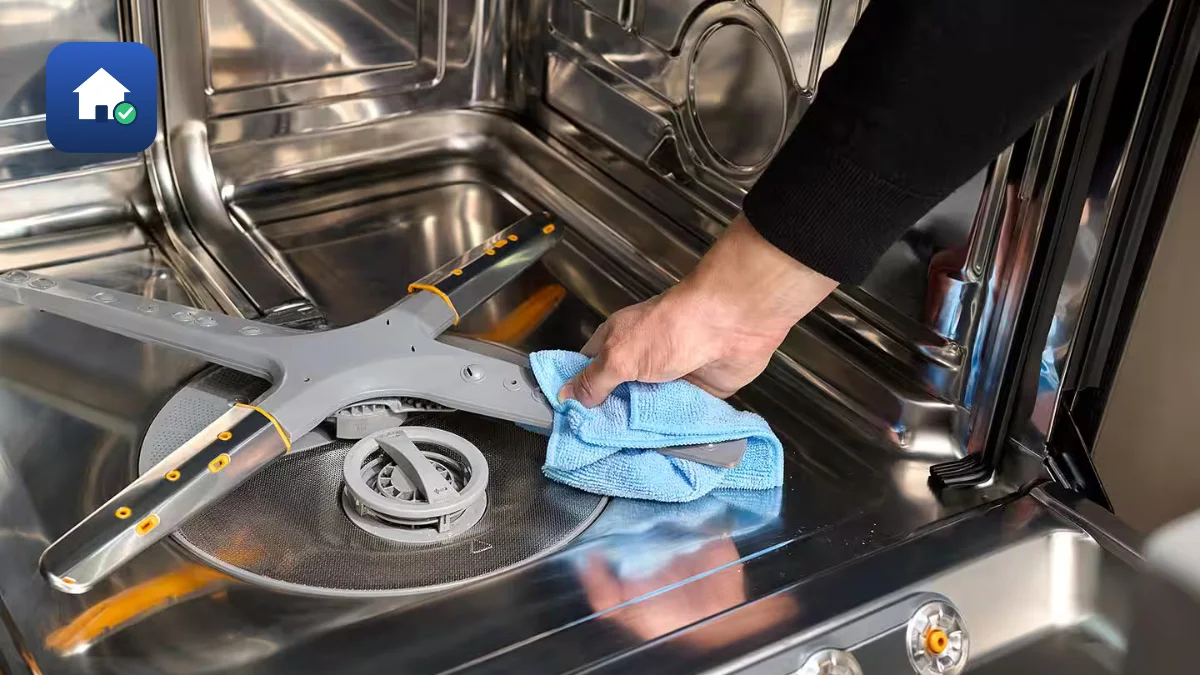
A dishwasher is one of the most convenient appliances in any modern kitchen, saving both time and effort while delivering sparkling clean dishes after every wash. However, many people forget that the appliance itself also needs regular maintenance to perform at its best. Learning How to Clean a Dishwasher is essential for preventing grease, food residue and limescale from building up inside the machine. Without proper cleaning, your dishwasher may develop unpleasant odours, poor washing performance and even costly mechanical problems.
Understanding How to Clean a Dishwasher can help extend the lifespan of your appliance while ensuring every wash cycle produces spotless results. Whether you want to clean the filter, remove stubborn smells or tackle hard water deposits, following a regular maintenance routine makes a significant difference. This comprehensive guide explains the best cleaning methods, natural solutions and expert tips to keep your dishwasher hygienic, efficient and working like new.
Why You Should Clean Your Dishwasher Regularly
Many homeowners assume their dishwasher stays clean because it washes dishes with hot water and detergent every day. In reality, grease, soap residue, food particles and mineral deposits gradually collect inside the appliance after every cycle. These deposits can block filters, clog spray arms and reduce cleaning performance, leaving dishes looking cloudy or feeling greasy. Learning How to Clean a Dishwasher helps prevent these common problems before they become expensive repairs.
Regular maintenance also improves hygiene throughout your kitchen. Moisture trapped inside the dishwasher creates an ideal environment for mould, mildew and bacteria to grow, especially around the door seals and filter. By understanding How to Clean a Dishwasher properly and cleaning it at least once a month, you can eliminate unpleasant odours, improve water circulation and enjoy cleaner dishes every time you run a cycle.
What You’ll Need Before Cleaning a Dishwasher
Before you begin, collect all the cleaning supplies you need so the process is quick and straightforward. White vinegar, baking soda, warm soapy water, a soft sponge, an old toothbrush and a microfibre cloth are excellent for removing grease, food debris and light limescale. If your dishwasher manufacturer recommends specialist cleaning tablets, these can also be used for a deeper clean without damaging internal components.
Preparation is equally important before starting the cleaning process. Empty the dishwasher completely, remove any loose food from the bottom of the machine and check your appliance manual for specific maintenance advice. Taking a few minutes to prepare ensures that every part of the dishwasher can be cleaned safely and effectively while reducing the risk of damaging delicate seals, filters or spray arms.
How to Clean a Dishwasher
If you’re wondering How to Clean a Dishwasher, start by removing the lower rack and taking out the dishwasher filter. Wash the filter thoroughly using warm water, mild washing-up liquid and a soft brush to remove trapped food and grease. Next, inspect the spray arms and clear any blocked holes with a cocktail stick before rinsing them under clean running water. These simple steps restore proper water flow and improve cleaning performance.
Once the removable parts are clean, wipe the interior walls, door edges and rubber seals with a damp microfibre cloth. Place a dishwasher-safe cup filled with white vinegar on the top rack and run a hot empty cycle. After the vinegar cycle finishes, sprinkle baking soda across the bottom of the dishwasher and run a second short hot cycle. Following How to Clean a Dishwasher in this way removes grease, neutralises odours and leaves the appliance fresh and hygienic.
How to Clean a Dishwasher Filter
The dishwasher filter is responsible for trapping food particles before they enter the drain system. Over time, the filter collects grease, debris and detergent residue that can restrict water flow and reduce the appliance’s efficiency. If the filter is ignored for too long, your dishwasher may leave food on dishes, produce unpleasant smells or struggle to drain properly after each cycle.
Cleaning the filter is one of the easiest maintenance tasks you can perform. Remove it according to the manufacturer’s instructions, rinse it under warm running water and gently scrub away stubborn debris using a soft toothbrush. Reinstall the filter securely once it is completely clean. Knowing How to Clean a Dishwasher includes maintaining the filter regularly, ideally every two to four weeks, to keep the appliance running smoothly.
Different Ways to Clean a Dishwasher

There are several effective methods for cleaning your dishwasher, depending on the products you prefer to use. Many homeowners choose how to clean a dishwasher with vinegar because white vinegar naturally dissolves grease, soap scum and mineral deposits without harsh chemicals. It is also excellent for removing unpleasant odours and restoring freshness to the appliance after heavy use.
Another popular method involves how to clean a dishwasher with baking soda, which helps remove stains and neutralise lingering smells. Some people also use dishwasher cleaning tablets for added convenience, while those living in hard water areas benefit from using dishwasher salt to reduce limescale build-up. Whichever method you choose, understanding How to Clean a Dishwasher and carrying out regular maintenance will help keep your appliance performing efficiently for many years.
How to Clean Specific Parts of a Dishwasher
Although cleaning the entire appliance is important, individual components also require regular attention to maintain excellent performance. The spray arms, door seals, drain, drain hose and interior corners often collect grease, food debris and detergent residue that may not be removed during a normal wash cycle. Paying attention to these hidden areas keeps the dishwasher hygienic and helps prevent blockages that can affect washing results.
If you are looking for how to clean a dishwasher drain, begin by removing visible food particles from the bottom of the machine before wiping around the drain opening with a damp cloth. When learning how to clean a dishwasher drain hose or how to clean a dishwasher drain pipe, always check your manufacturer’s instructions before disconnecting any parts. Regularly cleaning these areas improves water flow and helps prevent unpleasant odours from developing inside the appliance.
How to Remove Bad Smells from a Dishwasher
A dishwasher that smells unpleasant is usually caused by trapped food, grease or standing water inside the filter or drain. These materials encourage bacteria and mould to grow, especially if the appliance is used frequently without regular maintenance. Fortunately, removing unpleasant odours is usually quick and simple when you follow the correct cleaning routine.
If you are wondering how to clean a dishwasher that smells, start by cleaning the filter thoroughly before wiping the door seals and running an empty hot cycle with white vinegar. Follow this with a second cycle using baking soda to freshen the interior naturally. Knowing How to Clean a Dishwasher properly helps eliminate bad smells while ensuring every load of dishes comes out fresh and spotless.
Common Dishwasher Cleaning Mistakes to Avoid
One of the biggest mistakes homeowners make is assuming that dishwashing detergent cleans the appliance itself. In reality, grease, food residue and limescale continue to build up inside the dishwasher over time. Ignoring the filter, spray arms or door seals allows dirt to accumulate, eventually reducing cleaning performance and increasing the risk of costly repairs.
Another common mistake is using harsh chemicals or abrasive scrubbing tools that may damage delicate components. When learning How to Clean a Dishwasher, always avoid mixing bleach with vinegar or other cleaning products. Following safe cleaning methods and using gentle products helps protect your dishwasher while ensuring it continues operating efficiently for many years.
Dishwasher Maintenance Tips for Long-Lasting Performance
Routine maintenance is the easiest way to keep your dishwasher working efficiently throughout its lifespan. Wiping away food debris after heavy loads, rinsing the filter every few weeks and running an empty cleaning cycle once a month all help reduce grease, limescale and unpleasant odours. These simple habits improve cleaning performance while reducing the likelihood of expensive breakdowns.
If you live in a hard water area, using dishwasher salt and descaling products can significantly reduce mineral deposits inside the appliance. Understanding How to Clean a Dishwasher also means loading dishes correctly, avoiding overfilling and checking the spray arms regularly for blockages. Small maintenance tasks completed consistently will help your dishwasher continue delivering excellent results for years to come.
Conclusion
Learning How to Clean a Dishwasher is one of the simplest ways to improve the performance and lifespan of this essential kitchen appliance. Regular cleaning removes grease, food debris, detergent residue and limescale while helping prevent unpleasant odours and drainage problems. Whether you choose natural methods using vinegar and baking soda or specialist cleaning products, keeping the appliance clean ensures consistently sparkling dishes after every wash.
By following the practical advice in this guide, How to Clean a Dishwasher becomes an easy monthly household task rather than a difficult chore. Cleaning the filter, spray arms, drain and seals regularly helps maintain hygiene, improves washing efficiency and reduces the chance of expensive repairs. A well-maintained dishwasher not only performs better but also saves time, energy and money in the long run.
Frequently Asked Questions
How often should you clean a dishwasher?
Clean your dishwasher once a month, and rinse the filter every two to four weeks.
How do you clean a dishwasher with vinegar?
Run a hot empty cycle with a cup of white vinegar placed on the top rack.
Can you clean a dishwasher with vinegar and baking soda?
Yes, use vinegar first, then run a separate cycle with baking soda.
How do you clean a dishwasher filter?
Remove the filter, wash it with warm soapy water, rinse and reinstall it.
How do you clean a dishwasher that smells?
Clean the filter, wipe the seals and run a hot vinegar cleaning cycle.
Can you clean a dishwasher without vinegar?
Yes, use baking soda, dishwasher cleaning tablets or a specialist cleaner.
How do you clean a dishwasher drain?
Remove food debris, clean the filter and wipe around the drain area.
Is baking soda safe for cleaning a dishwasher?
Yes, baking soda safely removes odours and light stains from the interior.
Can dishwasher cleaning tablets replace vinegar?
Yes, cleaning tablets are an effective alternative for deep cleaning your dishwasher.
Why is my dishwasher leaving white residue on dishes?
White residue is usually caused by hard water, limescale or using too much detergent.