
How To Paint Kitchen Cabinets: Step-by-Step Guide (2026)
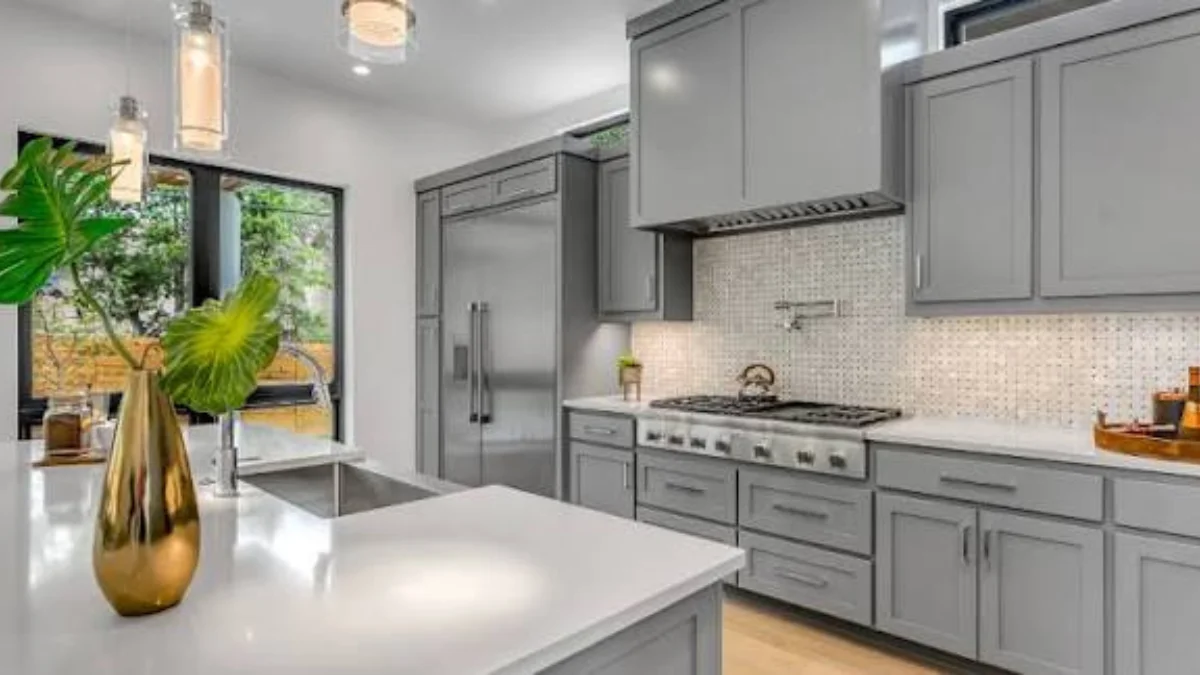
Updating your kitchen does not always require a complete renovation. Painting your existing cabinets is one of the most affordable ways to create a fresh, modern appearance while saving money. How To Paint Kitchen Cabinets is a popular DIY project because it allows homeowners to transform outdated cupboards into stylish features with the right preparation, tools and techniques.
Whether you want a bright white kitchen, elegant grey cabinets or a bold black finish, learning How To Paint Kitchen Cabinets correctly can help you achieve professional-looking results. This complete guide explains the best methods, materials and expert tips to create a smooth, durable finish that improves the overall look of your kitchen.
Why Paint Kitchen Cabinets Instead of Replacing Them?
Replacing kitchen cabinets can be expensive, time-consuming and disruptive. If your existing cupboards are in good structural condition, repainting them is a practical alternative that delivers impressive results at a fraction of the cost. A fresh coat of paint can hide outdated colours, repair worn appearances and completely change the atmosphere of your kitchen.
Many homeowners choose How To Paint Kitchen Cabinets because it offers complete design flexibility. You can select from hundreds of colours and finishes to match your interior style. From modern neutral shades to bold statement colours, painting gives you the freedom to personalise your kitchen while reducing waste by reusing existing cabinets.
What You Need Before Painting Kitchen Cabinets
Before starting any cabinet painting project, it is important to gather all essential tools and materials. You will need quality paint brushes, foam rollers, sandpaper, cleaning products, painter’s tape, screwdrivers, protective sheets and a suitable primer. Having everything prepared before beginning will make the process smoother and help prevent unnecessary delays.
Choosing the correct paint is also essential for long-lasting results. Cabinet-specific acrylic paints, satin finishes and durable enamel paints are excellent choices because they can handle moisture, heat and everyday kitchen use. When planning How To Paint Kitchen Cabinets, investing in high-quality products will make a noticeable difference in the final appearance and durability.
How To Prepare Kitchen Cabinets for Painting
Preparation is the foundation of a successful cabinet painting project. Start by removing cabinet doors, drawers and hardware such as handles and hinges. Label each piece carefully so everything can be returned to its correct position later. This simple preparation step makes the final installation much easier and ensures a professional finish.
Cleaning is another important stage because kitchen cabinets often collect grease, oils and cooking residue. Use a strong degreasing cleaner to remove all dirt before painting. For those researching How To Paint Kitchen Cabinets, proper cleaning and preparation are essential because paint will not adhere properly to dirty or greasy surfaces.
How To Paint Kitchen Cabinets Step by Step
Once the cabinets are clean and prepared, apply a suitable primer to create a strong base for the paint. Primer improves adhesion, covers stains and helps create an even colour finish. Allow the primer to dry completely before lightly sanding the surface to remove imperfections and create a smoother texture.
Apply your chosen cabinet paint using thin, even coats rather than one thick layer. A foam roller works well for flat surfaces, while a quality brush is useful for corners and detailed areas. Following the correct process for How To Paint Kitchen Cabinets ensures better coverage, fewer marks and a finish that looks professionally completed.
How To Paint Kitchen Cabinets

Different cabinet materials require slightly different approaches. Solid wood cabinets are generally easier to paint because the surface accepts primer and paint effectively after proper sanding. MDF cabinets can also be painted successfully, but they require careful sealing because exposed edges can absorb moisture and affect the final result.
Laminate cabinets need extra preparation because their smooth surface can make paint adhesion difficult. Light sanding and a bonding primer are recommended before applying colour. Understanding How To Paint Kitchen Cabinets for different materials helps you avoid peeling, cracking and uneven finishes after completing your kitchen makeover.
Popular Kitchen Cabinet Colour Ideas
Choosing the right colour can completely change the style of your kitchen. White cabinets remain a timeless option because they create a bright, spacious feeling and work well with almost any interior design. Grey cabinets are also extremely popular, offering a modern appearance that works beautifully with wooden floors, stone worktops and metallic accessories.
For homeowners looking for a dramatic transformation, black, navy and dark brown finishes can create a sophisticated and luxurious kitchen design. Many people also choose natural wood-effect finishes for a warmer appearance. The right colour choice combined with proper painting techniques can make your cabinets look completely new.
Professional Techniques for a Smooth Cabinet Finish
A smooth professional finish requires patience, the right tools and careful application. Professional decorators often use spray equipment because it creates an even surface without visible brush marks. However, DIY painters can still achieve excellent results by using high-quality rollers, applying thin coats and allowing enough drying time between applications.
Learning How To Paint Kitchen Cabinets professionally involves focusing on small details such as sanding between coats, maintaining clean edges and avoiding excessive paint application. These techniques help create a durable finish that looks polished and can withstand the daily demands of a busy kitchen environment.
DIY vs Professional Kitchen Cabinet Painting
Painting kitchen cabinets yourself can save a significant amount of money, making it an attractive option for homeowners who enjoy DIY projects. The main costs include paint, primer and basic tools. Although the process requires time and patience, completing the project yourself allows you to control every design choice and create a personalised kitchen update.
Hiring a professional painter may cost more, but it provides convenience and expert results. Professionals have specialist equipment, experience and knowledge of different cabinet materials. If you are unsure about How To Paint Kitchen Cabinets or want a flawless spray-painted finish, professional services may be the better choice.
Common Kitchen Cabinet Painting Mistakes to Avoid
One of the biggest mistakes homeowners make is skipping proper preparation. Painting over grease, dirt or damaged surfaces can cause peeling and uneven coverage. Another common issue is using the wrong type of paint, which may not withstand moisture, cleaning and regular kitchen activity.
Avoid rushing the drying process because it can damage the finish and create unwanted marks. Anyone learning How To Paint Kitchen Cabinets should remember that patience is essential. Allowing enough time for cleaning, priming and curing will produce stronger and more attractive results.
Kitchen Cabinet Painting Costs in the UK
The cost of painting kitchen cabinets depends on the size of your kitchen, the products selected and whether you complete the work yourself or hire professionals. A DIY project may cost around £100 to £350 for paint, primer and supplies, making it a budget-friendly improvement compared with replacing cabinets.
Professional cabinet painting services usually cost more because they include labour, preparation and specialist equipment. However, the investment can still be much lower than installing a completely new kitchen. Understanding the costs involved in How To Paint Kitchen Cabinets helps homeowners plan their renovation budget effectively.
Before and After Kitchen Cabinet Painting Results
The transformation from old cabinets to freshly painted units can be dramatic. A dated kitchen can instantly feel brighter, cleaner and more modern after a carefully completed painting project. Simple changes such as switching from dark wood to soft grey or white can make the room appear larger and more inviting.
Maintaining painted cabinets is also important for long-lasting results. Clean surfaces regularly with gentle products and avoid harsh chemicals that may damage the paint. With proper care, your newly updated cabinets can remain attractive for many years after completing How To Paint Kitchen Cabinets.
Conclusion
Learning How To Paint Kitchen Cabinets is one of the best ways to refresh your kitchen without spending thousands on a complete renovation. By focusing on preparation, selecting quality materials and applying paint carefully, you can achieve a beautiful finish that improves your home’s appearance and value.
The key to success is patience and attention to detail. Whether you choose a DIY approach or hire a professional, the right techniques will help transform outdated cabinets into stylish kitchen features. With the correct guidance, How To Paint Kitchen Cabinets becomes a simple and rewarding home improvement project.
Frequently Asked Questions
Can I paint kitchen cabinets without sanding?
Yes, but using a bonding primer and light sanding gives better long-lasting results.
What is the best paint for kitchen cabinets?
Cabinet-specific acrylic, urethane or satin paints provide durable and smooth finishes.
How long does it take to paint kitchen cabinets?
Most projects take around three to five days, including preparation and drying time.
Can laminate kitchen cabinets be painted?
Yes, laminate cabinets can be painted with proper cleaning, sanding and primer.
How do I avoid brush marks?
Use quality brushes or foam rollers and apply thin, even coats.
Is spraying better than using a brush?
Spraying creates a smoother finish, while brushing is easier for beginners.
How many coats of paint should kitchen cabinets have?
Most cabinets need one primer coat and two paint coats.
How long should painted cabinets cure?
Full curing usually takes two to four weeks.
Can stained cabinets be painted?
Yes, with proper cleaning, sanding and stain-blocking primer.
Is painting kitchen cabinets worth it?
Yes, it is an affordable way to refresh your kitchen without replacing cabinets.