
Smart Home Security Systems: Best UK Picks for 2026
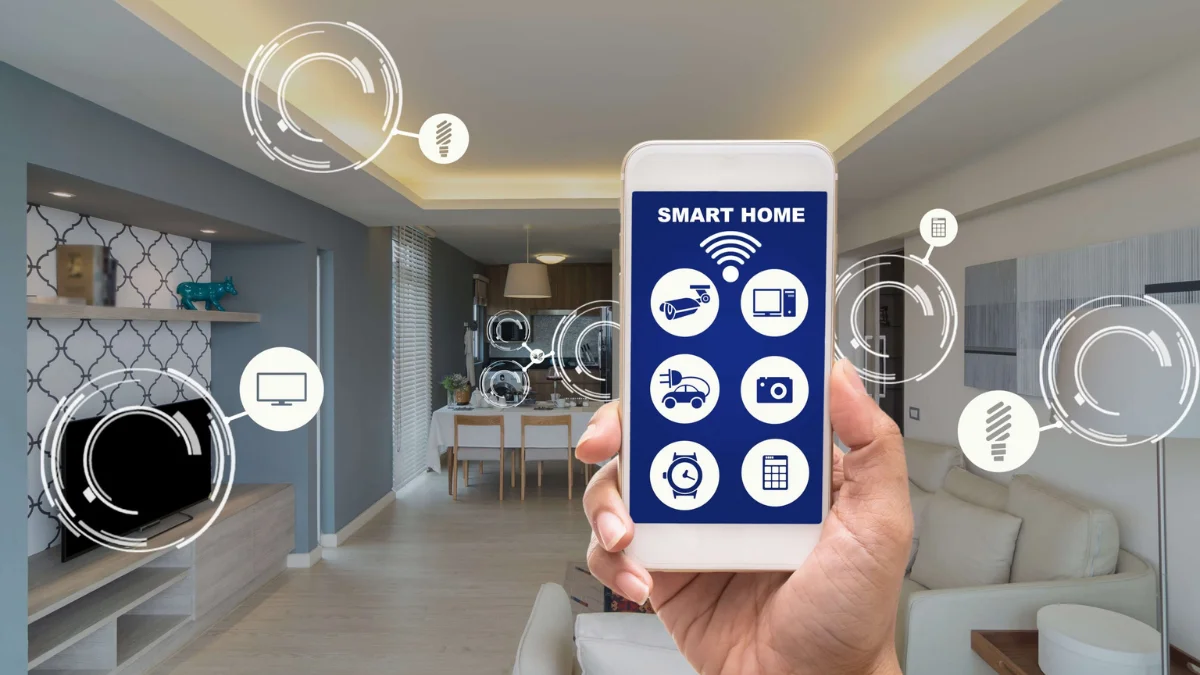
Smart Home Security Systems are modern home protection solutions that connect alarms, cameras, motion sensors and smart locks through your home’s Wi-Fi network. Using a dedicated smartphone app, homeowners can monitor their property, receive instant notifications and control security devices from virtually anywhere. These intelligent systems have become increasingly popular because they offer convenience, flexibility and greater peace of mind than many traditional alarm systems.
Unlike conventional security systems that only sound an alarm, Smart Home Security Systems provide real-time monitoring and smart automation. They can integrate with voice assistants, lighting and other connected devices to create a safer home environment. Whether you live in a flat or a large family house, these systems allow you to protect your property more effectively while simplifying everyday security management.
Benefits of Smart Home Security Systems
One of the greatest advantages of Smart Home Security Systems is continuous protection throughout the day and night. Motion detectors, door sensors and security cameras work together to detect suspicious activity and immediately send alerts to your mobile device. This allows you to respond quickly to unexpected events, whether you are at work, on holiday or simply relaxing at home.
Another major benefit is the convenience these systems provide. Many models allow remote arming and disarming, live video streaming and two-way communication through video doorbells. Smart automation also enables lights to switch on automatically when movement is detected, helping deter potential intruders while making your home more secure and energy efficient.
Key Components of Smart Home Security Systems
Every effective Smart Home Security System includes several essential devices that work together to safeguard your property. A central hub connects all security equipment, while door and window sensors monitor entry points. Motion detectors identify movement inside your home, and security cameras provide live footage that can be viewed through a mobile application at any time.
Additional components such as video doorbells, smart locks, outdoor sirens and backup batteries enhance overall protection. Many systems also offer cloud or local storage for recorded footage, allowing homeowners to review important events whenever necessary. Selecting the right combination of devices ensures comprehensive protection tailored to your property’s specific needs.
Types of Smart Home Security Systems
There are several different types of Smart Home Security Systems available, making it easier to find one that suits your budget and lifestyle. DIY systems are designed for straightforward installation without professional assistance, while professionally monitored systems offer round-the-clock monitoring by trained security experts who can contact emergency services if required.
Wireless security systems remain the most popular choice because they are easy to install and expand without extensive wiring. Wired systems may provide additional stability for larger properties, while self-monitored systems appeal to homeowners who prefer full control without recurring monthly monitoring fees. Understanding these options helps you make a well-informed decision.
Best Smart Home Security Systems in the UK
Several trusted manufacturers continue to lead the UK market with reliable and feature-rich security solutions. Ring Alarm is highly regarded for its simple installation and excellent compatibility with Amazon Alexa. Yale Smart Alarm is another popular option, offering smartphone control and dependable home protection designed specifically for UK households.
SimpliSafe provides flexible monitoring options without lengthy contracts, making it attractive for many homeowners. Eufy Security offers local storage with no mandatory subscription, while ADT remains a trusted provider of professionally monitored services. Arlo and Abode also deliver advanced smart home integration, making them excellent choices for users seeking greater automation.
Features to Look for Before Buying

When comparing Smart Home Security Systems, it is important to consider features that improve both security and everyday usability. High-definition cameras, night vision, motion detection, facial recognition and two-way audio all contribute to more effective home monitoring. A reliable mobile application with intuitive controls also makes managing your security system much easier.
Compatibility with smart home platforms should also be considered before making a purchase. Systems that support Amazon Alexa, Google Home or Apple HomeKit provide greater flexibility and allow multiple smart devices to work together seamlessly. Battery backup, local storage and expandable accessories are equally valuable features that improve long-term reliability.
Smart Home Compatibility
Modern Smart Home Security Systems are designed to integrate smoothly with a wide range of smart home devices. Voice assistants such as Amazon Alexa and Google Assistant enable homeowners to arm or disarm alarms using simple voice commands. Smart lighting can automatically illuminate driveways or entrances when motion is detected, increasing security while enhancing convenience.
Integration with smart locks and thermostats further improves home automation. For example, locking your front door can automatically activate the alarm system, while leaving home may trigger cameras and security sensors simultaneously. These intelligent routines create a connected home environment that improves both safety and daily comfort.
Installation Guide
Installing Smart Home Security Systems has become much easier thanks to wireless technology and user-friendly mobile applications. Begin by positioning the central hub in a suitable location before installing sensors on doors and windows. Motion detectors should be placed where they can monitor large open spaces, while cameras should cover entrances, gardens and driveways.
After positioning every device, connect the system to your Wi-Fi network and configure the settings using the manufacturer’s application. Test every camera, sensor and alarm before relying on the system for everyday protection. Regular testing ensures everything functions correctly and helps identify any areas requiring better coverage.
Smart Home Security Systems Costs
The price of Smart Home Security Systems varies depending on the equipment included and the level of monitoring provided. Entry-level DIY packages are generally affordable and ideal for smaller homes, while premium systems with multiple cameras, smart locks and professional monitoring services require a larger initial investment.
Monthly subscriptions may also apply if you choose cloud storage or professional monitoring. Before purchasing, compare both upfront costs and ongoing expenses to ensure the system provides excellent long-term value. Balancing affordability with essential security features will help you choose the right solution for your household.
How to Choose the Best Smart Home Security System
Choosing the ideal Smart Home Security System begins with assessing your home’s layout, security concerns and available budget. Larger properties usually require more cameras and sensors, while smaller homes may only need basic protection. It is also important to consider whether you prefer professional monitoring or complete self-management.
Future expansion should also influence your decision. Selecting a system that supports additional cameras, sensors and smart devices allows your security setup to grow as your needs change. Reading independent reviews and comparing warranty options can further help you identify reliable products that deliver lasting performance.
Common Mistakes to Avoid
Many homeowners reduce the effectiveness of their Smart Home Security Systems by placing cameras incorrectly or overlooking vulnerable entry points. Cameras positioned too high or too low may fail to capture useful footage, while poor Wi-Fi coverage can interrupt communication between security devices and the central hub.
Weak passwords, outdated firmware and neglected battery replacements also create unnecessary security risks. Regular software updates improve protection against cyber threats, while routine maintenance keeps every device operating efficiently. Taking a proactive approach significantly improves the reliability of your entire security system.
Tips for Maximising Home Security
To achieve the highest level of protection, combine cameras, alarms, motion sensors and smart lighting into one connected system. Enable two-factor authentication on your mobile application to prevent unauthorised access, and regularly review security notifications to ensure every device is functioning correctly.
It is also wise to create automated routines that activate security devices whenever you leave home. Keeping software updated, cleaning camera lenses and testing sensors every few months helps maintain reliable performance. These simple habits ensure your Smart Home Security Systems continue providing dependable protection throughout the year.
Conclusion
Smart Home Security Systems offer an intelligent and practical way to protect modern homes. By combining advanced technology with real-time monitoring, smart automation and remote access, these systems provide homeowners with greater confidence and improved control over their property’s security. Whether you choose a DIY solution or professional monitoring, investing in reliable equipment is a worthwhile decision.
The best Smart Home Security Systems balance affordability, performance and ease of use while integrating seamlessly with your existing smart home devices. Carefully comparing features, costs and compatibility will help you select a solution that meets your specific needs and provides long-lasting protection for your family and home.
Frequently Asked Questions
What are Smart Home Security Systems?
Smart Home Security Systems use connected devices to monitor and protect your home remotely.
Are Smart Home Security Systems worth the investment?
Yes, they provide improved security, convenience and real-time monitoring.
Can I install a smart home security system myself?
Yes, most wireless systems are designed for quick DIY installation.
Do Smart Home Security Systems work without Wi-Fi?
Basic features may work, but remote access requires Wi-Fi.
Which Smart Home Security System is best for UK homes?
Ring, Yale, SimpliSafe and Eufy are among the top UK choices.
Do smart security systems require a monthly subscription?
No, many systems work without a subscription, though premium features may require one.
Can Smart Home Security Systems integrate with Alexa or Google Home?
Yes, most leading systems support Alexa and Google Home.
Are wireless security systems as reliable as wired systems?
Yes, modern wireless systems are highly reliable with a stable connection.
How much do Smart Home Security Systems cost in the UK?
Prices vary depending on the brand, features and monitoring options.
What features should I look for when buying a Smart Home Security System?
Choose HD cameras, motion detection, app control and smart home compatibility.