
Complete Painting Materials Guide: Everything You Need
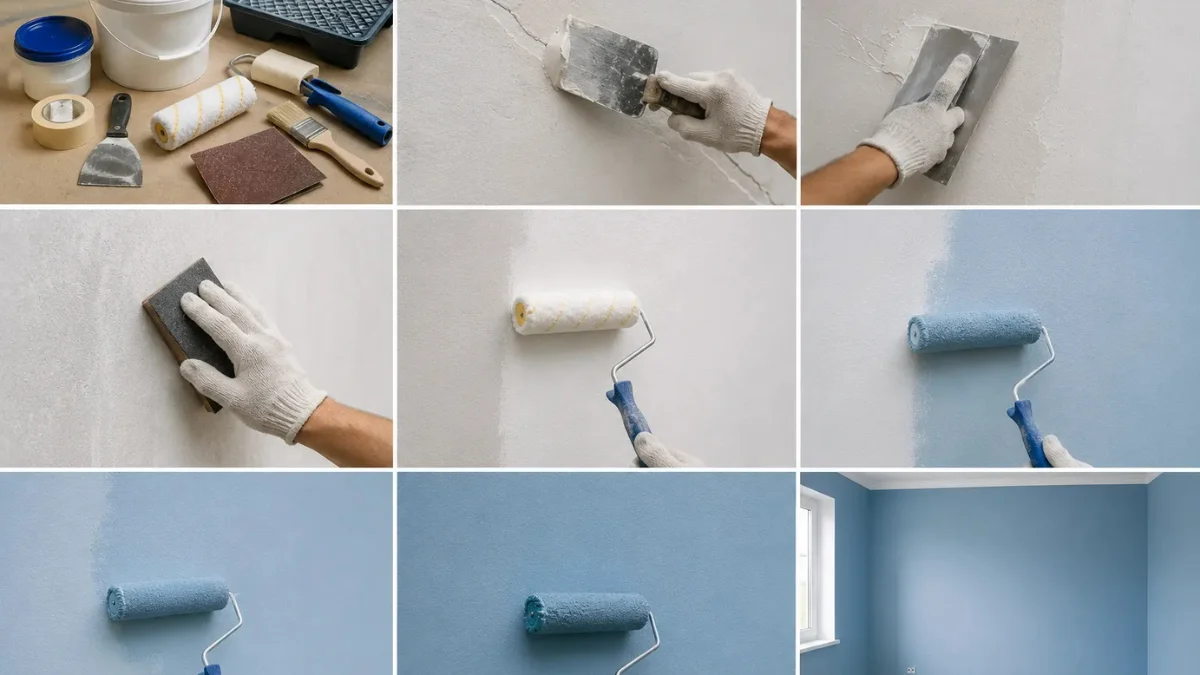
Choosing the right decorating supplies is one of the most important steps in achieving a professional-looking finish. Whether you are painting a single room, renovating your home, or completing a DIY project, having the correct equipment makes the job easier and more efficient. This Complete Painting Materials Guide explains the essential tools, paints, and preparation materials needed to produce smooth, durable, and attractive results.
A successful paint job is about much more than simply buying a tin of paint and a brush. Every stage, from preparing the surface to selecting the correct roller and finishing coat, affects the final appearance. This Complete Painting Materials Guide will help you understand which materials are worth investing in, how they should be used, and why quality supplies often save both time and money.
Essential Painting Materials Checklist
Before beginning any painting project, gather all the necessary supplies to avoid interruptions once work has started. Basic materials include paint, primer, paint brushes, rollers, roller sleeves, paint trays, masking tape, dust sheets, sandpaper, filling knives, scrapers, caulk, cleaning cloths, extension poles, and protective clothing. Having everything prepared allows you to focus on achieving a consistent and professional finish.
Quality painting materials often provide better coverage, smoother application, and improved durability compared with cheaper alternatives. Premium brushes shed fewer bristles, quality rollers create a more even texture, and reliable masking tape leaves crisp paint lines without damaging surfaces. Investing in dependable products usually reduces waste and improves the overall appearance of your completed project.
Types of Paint and Their Uses
Selecting the correct type of paint is essential because different surfaces require different finishes and levels of durability. Emulsion paint is widely used for interior walls and ceilings due to its smooth finish and quick drying properties. Satin and gloss paints are ideal for doors, skirting boards, and window frames, while masonry paint is specially formulated to protect exterior brickwork against changing weather conditions.
Water-based paints have become increasingly popular because they dry quickly, produce less odour, and are easier to clean with water. Oil-based paints remain a preferred choice for certain woodwork because they provide a harder, longer-lasting finish. This Complete Painting Materials Guide recommends matching your chosen paint to both the surface and the environment for the best possible results.
Painting Tools You Should Never Skip
Good-quality tools can transform the entire decorating experience and significantly improve the final finish. Brushes are perfect for cutting in around corners and edges, while rollers allow large wall areas to be painted quickly with an even coat. Paint trays, extension poles, edging tools, and sturdy ladders also help complete the work safely and efficiently.
Specialist tools such as paint sprayers are useful for large projects, fences, and furniture where a flawless finish is required. Mixing sticks ensure paint consistency, while paint kettles make working at height much more convenient. Choosing the right tools is a key recommendation throughout this Complete Painting Materials Guide because they directly influence both speed and quality.
Surface Preparation Materials
Preparing the surface properly is one of the most overlooked aspects of decorating, yet it has the greatest impact on the final result. Cleaning away grease, dust, and loose paint ensures that fresh paint bonds correctly. Filling cracks, sanding rough areas, and applying suitable primers create a smooth base that improves coverage and prevents future peeling.
Essential preparation materials include sugar soap, wood filler, wall filler, caulk, primers, sealers, scrapers, sanding blocks, and dust removal cloths. Although preparation takes additional time, it often determines whether your decorating project looks professional or requires repainting after only a short period. A well-prepared surface always produces a stronger and more attractive finish.
How to Choose the Right Painting Materials

Every decorating project has unique requirements, so selecting suitable painting materials depends on several factors. Consider whether you are working indoors or outdoors, the type of surface being painted, expected wear and tear, and your overall budget. Choosing products designed specifically for your project will improve durability and reduce maintenance over time.
It is also worth comparing paint coverage, drying times, finish quality, and customer reviews before making a purchase. While cheaper products may seem attractive initially, premium materials frequently require fewer coats and deliver better long-term performance. This Complete Painting Materials Guide encourages buyers to focus on value rather than price alone.
Common Painting Mistakes to Avoid
Many common decorating problems result from using unsuitable materials or skipping important preparation stages. Applying paint without primer, using the wrong roller nap, failing to repair damaged surfaces, or purchasing low-quality brushes often leads to uneven finishes, visible brush marks, peeling paint, or poor coverage that requires additional work.
Another mistake is rushing between coats without allowing sufficient drying time. Paint that has not fully cured can become damaged during the next application, reducing both appearance and durability. Following this Complete Painting Materials Guide helps avoid these mistakes while improving efficiency and ensuring a longer-lasting finish.
Painting Materials for Different Projects
Different decorating projects require different combinations of paints and tools. Interior walls generally benefit from washable emulsion paints and medium-pile rollers, while kitchens and bathrooms require moisture-resistant products designed to withstand humidity. Wooden furniture often needs specialist primers and durable protective topcoats to achieve a smooth, long-lasting appearance.
Exterior projects demand weather-resistant materials capable of handling rain, sunlight, frost, and temperature changes. Masonry paints, exterior wood preservatives, metal primers, and anti-rust coatings are all excellent choices for outdoor surfaces. Selecting project-specific materials ensures that painted surfaces remain attractive and protected throughout the year.
Painting Materials Buying Guide
Buying painting materials can be overwhelming due to the wide variety of products available. Begin by calculating how much paint is required based on room size and manufacturer coverage information. Purchasing slightly more than required is often sensible because it allows for touch-ups after the project has been completed.
Many reputable decorating retailers offer starter kits containing brushes, rollers, trays, and accessories at competitive prices. Reading product reviews and comparing trusted brands can help you make informed decisions. This Complete Painting Materials Guide recommends purchasing reliable products that balance quality, performance, and value for money.
Caring for and Storing Painting Materials
Proper maintenance extends the lifespan of painting equipment and reduces unnecessary replacement costs. Water-based paints should be cleaned from brushes and rollers immediately using warm water and mild soap, while oil-based paints require suitable cleaning solvents. Thorough cleaning prevents dried paint from damaging expensive decorating tools.
Store leftover paint in tightly sealed containers within a cool, dry environment away from direct sunlight. Brushes should be dried carefully before storage to preserve their shape, while rollers should remain clean and protected from dust. Looking after your equipment ensures it remains ready for future decorating projects and continues delivering excellent results.
Expert Tips for Better Painting Results
Professional decorators achieve outstanding finishes by working patiently and following a consistent process from preparation to final coat. Always begin by protecting floors and furniture, preparing surfaces thoroughly, and using quality brushes and rollers. Applying several thin coats rather than one heavy coat produces a smoother appearance and better overall durability.
Another valuable tip is to maintain a wet edge while painting to reduce visible lap marks and colour variation. Good lighting also helps identify missed areas before the paint dries completely. By following this Complete Painting Materials Guide, homeowners and DIY enthusiasts can confidently achieve high-quality decorating results without unnecessary stress or expense.
Conclusion
Choosing the correct paints, tools, and preparation materials is essential for every successful decorating project. From selecting suitable primers to maintaining brushes after use, each decision contributes to the quality, durability, and appearance of the finished surface. Careful planning and quality equipment always produce better results than rushing with unsuitable supplies.
This Complete Painting Materials Guide provides everything you need to understand painting materials, preparation methods, and decorating tools. Whether you are a first-time DIY enthusiast or an experienced homeowner, investing in reliable products and following best practices will help you achieve beautiful, long-lasting finishes throughout your home.
Frequently Asked Questions
What materials do I need before starting a painting project?
You will need paint, primer, brushes, rollers, masking tape, trays, dust sheets, sandpaper, and protective equipment.
Which type of paint is best for interior walls?
Water-based emulsion paint is ideal because it offers excellent coverage and is easy to clean.
Do I need to use primer before painting?
Yes, primer improves adhesion, increases durability, and creates a smoother finish.
What is the difference between paint brushes and rollers?
Brushes are ideal for detail work, while rollers provide quicker coverage on large surfaces.
How do I choose the right paint finish?
Choose matte for subtle walls, satin for durability, and gloss for high-shine woodwork.
Which painting materials are essential for beginners?
A quality brush set, roller, tray, primer, masking tape, and dust sheets are the essentials.
How much paint should I buy for one room?
Measure the wall area and check the manufacturer’s coverage guide before purchasing.
How do I clean painting tools properly?
Wash water-based products with warm soapy water and use appropriate solvents for oil-based paints.
Can I reuse paint brushes and rollers?
Yes, provided they are cleaned thoroughly and stored correctly after every use.
What safety equipment should I wear while painting?
Wear gloves, eye protection, old clothing, and a dust mask when sanding or using strong products.