
Average House Painting Cost: UK Price Guide 2026
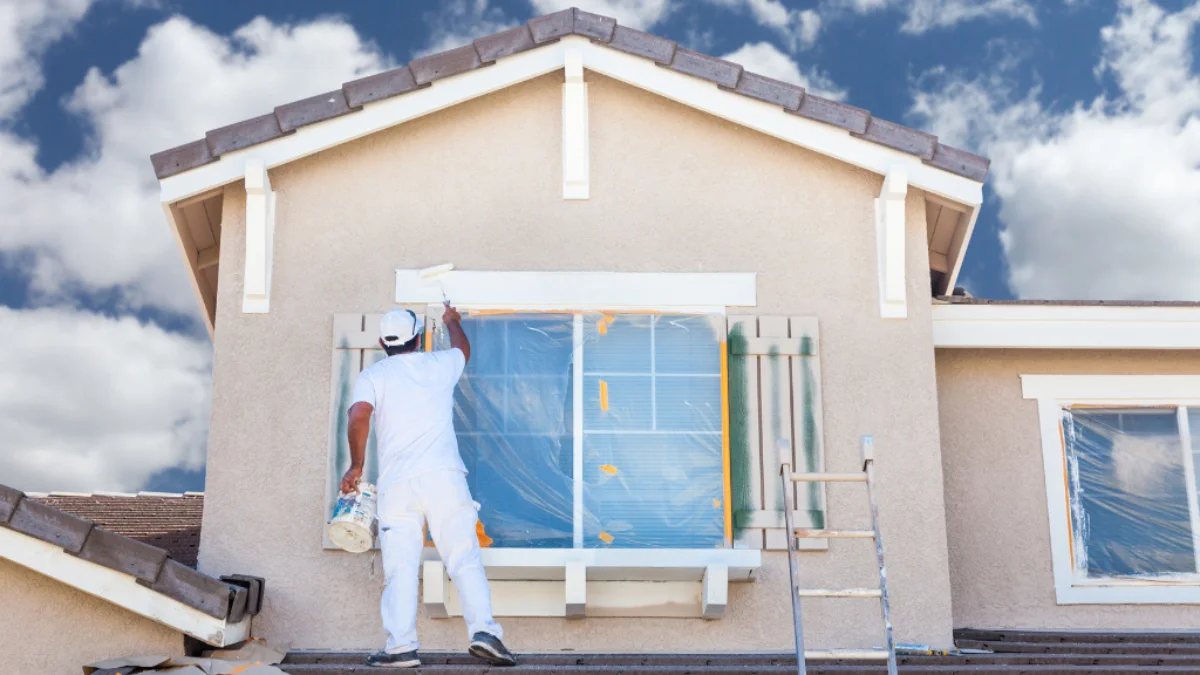
Painting your home is one of the easiest ways to refresh its appearance, improve property value, and protect walls from everyday wear and weather damage. Whether you are planning to repaint a single room or an entire property, understanding the Average House Painting Cost helps you prepare a realistic budget and avoid unexpected expenses. Labour charges, paint quality, preparation work, and property size all play a significant role in the final price.
The Average House Painting Cost varies across the UK because every home has different requirements. A modern flat may need minimal preparation, while an older detached house could require extensive repairs before painting begins. This guide explains the main factors affecting costs, average pricing by property type, and practical advice to help homeowners make informed decorating decisions.
Understanding the Average House Painting Cost in the UK
The Average House Painting Cost includes much more than simply applying fresh paint to walls. Professional painters usually include surface preparation, masking, sanding, filling cracks, applying primer where necessary, painting multiple coats, and cleaning the work area once the project has been completed. These services ensure the final finish looks professional and lasts for many years without peeling or fading prematurely.
Painting costs differ depending on whether you are decorating the interior or exterior of your home. Interior work is generally quicker because painters work in controlled conditions, whereas exterior projects depend on weather, scaffolding, and specialist paints. Understanding these differences allows homeowners to compare quotations fairly and choose the most suitable decorating service for their property.
Average House Painting Cost by Property Type
Property size has one of the greatest influences on decorating prices. A one-bedroom flat naturally requires less paint, fewer labour hours, and lower preparation costs than a large detached property. As the number of bedrooms and living spaces increases, so does the amount of paint, equipment, and time needed to complete the project to a high standard.
Terraced, semi-detached, and detached homes all have different painting requirements. Detached houses usually have a larger exterior surface area and additional rooms, making them more expensive to decorate. When comparing quotations, always check that every painter has included the same preparation work and finishing details to obtain an accurate comparison.
Average House Painting Cost by Room
Calculating decorating costs room by room helps homeowners manage their budget more effectively. Bedrooms are often among the least expensive rooms to paint because they usually contain simple wall layouts with fewer fixtures. Kitchens and bathrooms may cost more due to moisture-resistant paints, additional preparation, and awkward spaces around cabinets and appliances.
Living rooms, dining rooms, staircases, hallways, ceilings, doors, and skirting boards all contribute to the overall decorating cost. If your budget is limited, repainting the busiest rooms first can provide an immediate improvement while allowing you to complete the remaining rooms over time without placing unnecessary pressure on your finances.
Interior vs Exterior House Painting Costs
Interior painting focuses mainly on walls, ceilings, doors, skirting boards, and decorative woodwork. Since painters work indoors, projects are less likely to experience delays caused by poor weather. Interior decorating also allows homeowners to experiment with feature walls, modern colour schemes, and stylish finishes that completely transform living spaces.
Exterior painting usually costs more because it involves additional preparation and specialist products designed to withstand changing weather conditions. Brickwork, render, timber, masonry, and external woodwork all require suitable paints for maximum durability. Access equipment such as ladders or scaffolding may also increase the total project cost, particularly for larger properties.
What Affects the Average House Painting Cost?

Several important factors determine the Average House Painting Cost for each property. Surface condition is one of the most significant considerations because damaged plaster, peeling paint, mould, damp patches, or wallpaper removal all require additional labour before painting can begin. The more preparation needed, the higher the overall decorating cost will usually become.
Location also affects painting prices throughout the UK. Labour rates in London and the South East are generally higher than those in many northern regions. Premium paint brands, specialist finishes, multiple coats, high ceilings, and difficult access areas can further increase the overall quotation provided by professional painters and decorators.
House Painting Labour Costs in the UK
Labour represents a substantial proportion of any decorating project. Professional painters may charge a daily rate or provide a fixed quotation depending on the size and complexity of the work. Experienced decorators spend considerable time preparing surfaces because proper preparation creates a smoother finish and improves the lifespan of the completed paintwork.
Although hiring professionals requires a larger investment than completing the work yourself, experienced painters often produce superior results in much less time. Their knowledge of paints, tools, and application techniques helps reduce mistakes, minimise waste, and ensure every room receives an attractive and durable finish that adds value to your home.
Material and Paint Costs
Paint quality plays an important role in both the appearance and durability of your decorating project. Budget paints may seem attractive because of their lower price, but they often require additional coats to achieve full coverage. Premium brands usually provide better pigmentation, improved stain resistance, and a smoother finish, making them a worthwhile investment for many homeowners.
Besides paint itself, there are several materials that contribute to the total decorating budget. Primers, undercoats, brushes, rollers, extension poles, masking tape, dust sheets, fillers, and sandpaper are all essential supplies. These items may appear inexpensive individually, but together they form an important part of the Average House Painting Cost, especially for larger properties.
Additional Costs to Consider
Many homeowners only think about labour and paint when planning a decorating project, but additional expenses can quickly increase the final bill. Wallpaper removal, repairing damaged plaster, filling cracks, sanding rough surfaces, and treating damp or mould all require extra time and materials before any painting can begin.
Exterior decorating may also involve scaffolding, pressure washing, protective coverings, or specialist equipment for hard-to-reach areas. Furniture moving, waste disposal, and post-project cleaning can also be included in some quotations. Understanding these additional charges helps you prepare a more accurate budget and prevents unexpected costs later in the project.
Average House Painting Cost by UK Region
The Average House Painting Cost is not the same across the country because labour rates and business expenses vary by location. Homeowners in London and the South East generally pay higher prices due to increased demand and operating costs. In contrast, many areas in Northern England, Scotland, Wales, and Northern Ireland often offer more competitive decorating rates.
Regional differences also affect the availability of professional painters throughout the year. During busy periods, decorators may have long waiting lists and higher prices. Booking your painting project during quieter months can sometimes result in lower labour charges while giving you a wider choice of experienced contractors.
DIY vs Hiring a Professional Painter
Painting your own home can reduce labour costs if you have the time, patience, and necessary equipment. DIY decorating works well for simple projects such as repainting bedrooms or living rooms where surfaces are already in good condition. It also allows homeowners to work at their own pace without paying daily labour charges.
Hiring a professional painter is often the better choice for larger homes, exterior projects, or properties requiring extensive preparation. Experienced decorators understand the correct application techniques, use professional-grade equipment, and deliver a consistent finish that is difficult to achieve without experience. Their expertise can also help avoid costly mistakes and unnecessary paint waste.
How to Reduce Your House Painting Costs
Reducing the Average House Painting Cost does not always mean choosing the cheapest quotation. Instead, focus on obtaining several detailed estimates from reputable painters and comparing exactly what each service includes. A slightly higher quote may offer better value if it covers premium materials, additional preparation, and a longer workmanship guarantee.
Homeowners can also lower decorating expenses by completing basic preparation themselves. Removing furniture, cleaning walls, or filling small holes before the painter arrives can reduce labour time. Purchasing paint during seasonal promotions and scheduling work outside peak decorating periods are additional ways to keep your overall budget under control.
How to Get an Accurate House Painting Quote
A detailed quotation begins with providing accurate information about your property. Measure each room carefully, note ceiling heights, identify damaged areas, and explain whether you require interior or exterior painting. Sharing photographs with potential decorators can also help them prepare a more realistic estimate before arranging a site visit.
Before accepting any quotation, confirm whether the price includes materials, preparation work, repairs, furniture protection, and final cleaning. It is also sensible to ask about the expected project timeline, payment schedule, and any guarantees offered. Clear communication helps avoid misunderstandings and ensures you receive the service you expect.
Average House Painting Cost Calculator Guide
Online painting cost calculators are useful tools for estimating your decorating budget before requesting professional quotations. They usually consider property size, room numbers, wall dimensions, labour rates, and paint coverage to produce an approximate estimate. Although these calculations provide a helpful starting point, they cannot account for every property’s unique condition.
For the most accurate estimate, arrange a professional survey with an experienced painter and decorator. They can inspect wall conditions, identify repairs, calculate paint quantities, and recommend suitable products. Combining a calculator estimate with a professional quotation provides the clearest picture of the likely Average House Painting Cost for your home.
Conclusion
Understanding the Average House Painting Cost allows homeowners to plan decorating projects with confidence and avoid unnecessary financial surprises. By considering labour charges, paint quality, preparation work, property size, and regional pricing, you can create a realistic budget that reflects your home’s individual requirements and ensures excellent value for money.
Whether you decide to hire a professional decorator or complete some of the work yourself, careful planning is the key to achieving long-lasting results. Comparing multiple quotations, choosing quality materials, and preparing surfaces properly will help create a beautiful finish that enhances both the appearance and value of your property for years to come.
Frequently Asked Questions
What is the Average House Painting Cost in the UK?
The average cost depends on property size, location, labour rates, and preparation work required.
How much does it cost to paint a 3-bedroom house?
A typical interior repaint generally costs between £2,900 and £4,800 in the UK.
How much does exterior house painting cost?
Exterior painting usually ranges from £2,500 to £5,000 depending on property size and condition.
Do painters include paint in their quotation?
Some decorators include materials, while others charge separately, so always confirm beforehand.
How long does it take to paint an entire house?
Most projects take between three and ten days depending on the property’s size and preparation needs.
Is DIY painting cheaper than hiring a professional?
DIY reduces labour costs but requires time, equipment, and practical decorating skills.
What increases the Average House Painting Cost?
Wall repairs, premium paints, scaffolding, larger homes, and additional preparation all increase costs.
Does location affect painting prices?
Yes. Labour rates are generally higher in London and the South East than in many other UK regions.
How can I save money on house painting?
Compare several quotations, prepare rooms yourself, and buy paint during promotional sales.
When is the best time to paint a house?
Spring and summer are ideal for exterior painting, while interior decorating can be completed throughout the year.