
Roof Insurance Claims Guide: UK Steps to Success
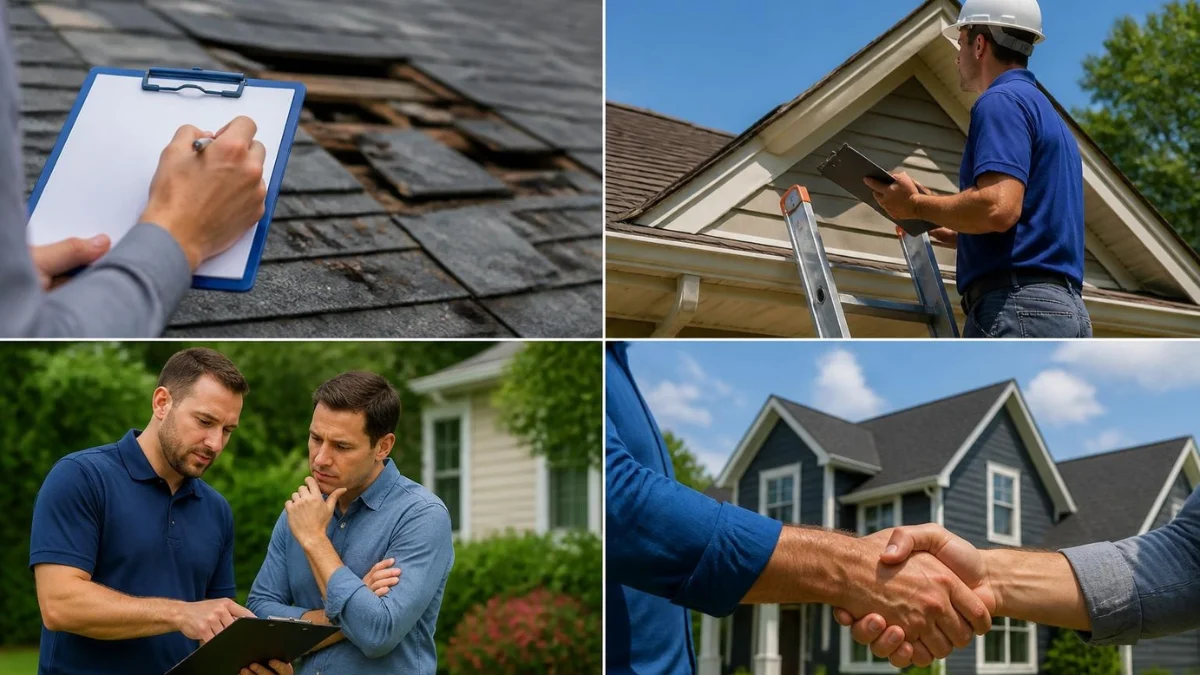
A Roof Insurance Claims Guide is one of the most valuable resources for UK homeowners dealing with unexpected roof damage. Whether your property has been affected by severe storms, heavy rain, falling trees or strong winds, understanding the insurance claims process can make a significant difference. Many people feel overwhelmed when they need to contact their insurer, gather evidence and arrange repairs, but having the right knowledge helps reduce stress and improves the chances of a successful claim.
This comprehensive Roof Insurance Claims Guide explains how roof insurance claims work, what types of damage are commonly covered, and the practical steps you should take from the moment damage occurs. You will also learn how to prepare the correct documentation, avoid common mistakes and communicate effectively with your insurer. By following this guide, you can protect your investment while ensuring your claim progresses as smoothly as possible.
What Is a Roof Insurance Claim?
A roof insurance claim is a formal request made to your insurance provider for financial assistance after your roof has been damaged by an event covered under your policy. Buildings insurance in the UK usually protects the structure of your property, including the roof, against sudden and unexpected incidents such as storms, fire, vandalism or falling trees. The purpose of a claim is to help homeowners recover repair or replacement costs without facing the full financial burden alone.
Not every roofing issue qualifies for insurance cover. Most insurers distinguish between accidental damage and gradual deterioration caused by ageing or poor maintenance. Cracked tiles resulting from years of neglect, for example, are unlikely to be covered. Understanding your insurance policy before making a claim is essential because it allows you to know what is included, what exclusions apply and how much excess you may need to pay before repairs begin.
When Can You Make a Roof Insurance Claim?
A Roof Insurance Claims Guide helps homeowners understand exactly when they should submit a claim. In most cases, insurance covers sudden and unforeseen events that cause immediate roof damage. Examples include storm damage, hailstones, lightning strikes, falling branches, accidental impacts and fire. These situations often require urgent repairs to prevent water entering the property and causing further structural damage.
It is equally important to recognise situations where a claim may not be successful. Damage caused by general wear and tear, ageing roofing materials, neglected maintenance or long-term leaks is usually excluded from standard policies. If you discover damage after a storm, report it promptly, take clear photographs and contact your insurer without unnecessary delay. Acting quickly demonstrates responsibility and can help speed up the claims process.
Roof Insurance Claims Guide: Step-by-Step Process
Following a structured approach is the best way to improve the success of your insurance claim. The first priority should always be safety. Never climb onto a damaged roof following severe weather because loose tiles and weakened structures can create serious hazards. Instead, inspect the property from ground level, take photographs of visible damage and document any signs of water leaks or ceiling stains inside your home. These records provide valuable evidence for your insurer.
Once you have gathered initial evidence, contact your insurance provider as soon as possible and explain the circumstances of the damage. They will usually provide a claim reference number and arrange for a loss adjuster to inspect the roof. At the same time, obtain quotations from reputable roofing contractors who can assess the damage independently. Comparing professional estimates helps you understand repair costs while ensuring any settlement offered by the insurer accurately reflects the work required.
Documents You Need for a Successful Roof Insurance Claim
Submitting the correct paperwork is one of the most important parts of any successful insurance claim. A well-prepared claim supported by detailed evidence allows your insurer to assess the damage accurately and reduces the chances of delays or disputes. Start by taking high-quality photographs and videos of the roof from different angles, along with any internal damage such as damp patches, water stains or damaged ceilings. The more evidence you provide, the easier it becomes to prove that the damage resulted from a covered event.
In addition to photographs, keep copies of roof inspection reports, contractor quotations, maintenance records and receipts for previous repairs. If the damage followed a storm, weather reports can also strengthen your case by confirming the conditions on the date of the incident. A complete Roof Insurance Claims Guide always recommends organising these documents before submitting your claim, as thorough preparation demonstrates responsibility and helps the insurer process your application more efficiently.
Common Reasons Roof Insurance Claims Are Rejected

Although many claims are approved, insurers may reject applications that do not meet the terms of the policy. One of the most common reasons is poor roof maintenance. If damaged tiles, blocked gutters or long-standing leaks have been ignored for months or years, the insurer may decide the damage resulted from neglect rather than a sudden insured event. Regular inspections and prompt maintenance are therefore essential for protecting both your roof and your insurance cover.
Another frequent reason for rejection is a lack of supporting evidence. Claims supported by only a few unclear photographs or incomplete information may not provide enough proof for the insurer to confirm the cause of the damage. Delaying your claim can also create problems, as insurers expect homeowners to report incidents as soon as reasonably possible. Following a reliable Roof Insurance Claims Guide helps you avoid these mistakes and increases your chances of receiving a fair settlement.
How to Maximise Your Chances of Claim Approval
Improving the likelihood of claim approval starts with acting quickly and staying organised. As soon as you notice roof damage, record everything using clear photographs and written notes before arranging temporary emergency protection if necessary. Contact your insurer immediately, explain the situation honestly and provide all requested information without exaggerating the damage. Clear communication helps build trust and allows the claim to move forward without unnecessary delays.
Working with an experienced and qualified roofing contractor can also strengthen your application. Professional inspection reports provide independent evidence of the damage and often support your repair estimate during the insurer’s assessment. If your claim is declined and you believe the decision is unfair, you may request a second inspection or submit additional evidence. A detailed Roof Insurance Claims Guide encourages homeowners to understand their rights and remain patient throughout the process.
Roof Repairs vs Roof Replacement
Insurance companies decide whether to approve repairs or a complete roof replacement based on the severity of the damage. Minor problems, such as a handful of missing tiles or limited flashing damage, can often be repaired without replacing the entire roof. However, if a storm has caused widespread structural damage or compromised the roof’s integrity, your insurer may approve a full replacement depending on your policy conditions.
It is important to understand that every insurance policy contains limits, exclusions and excess payments that may affect the final settlement. Some policies also take depreciation into account, particularly for older roofs, which can reduce the amount paid towards replacement costs. Reading your policy carefully before making a claim allows you to understand exactly what financial support you can expect and helps you make informed decisions about repair work.
Roof Maintenance Tips That Support Future Insurance Claims
Preventative roof maintenance is one of the simplest ways to reduce the risk of expensive repairs and future insurance disputes. Arrange professional roof inspections at least once a year, particularly after severe weather, to identify damaged tiles, loose flashing or blocked gutters before they become major issues. Regular maintenance demonstrates that you have taken reasonable steps to protect your property, which can strengthen any future insurance claim.
Keeping accurate maintenance records is equally valuable. Save invoices, inspection reports and photographs whenever repairs are completed, as these documents provide evidence that your roof has been properly maintained. Trimming overhanging trees, cleaning drainage systems and replacing damaged roofing materials promptly can also extend the lifespan of your roof. A proactive approach not only protects your home but also supports stronger insurance claims should unexpected damage occur in the future.
Conclusion
Understanding the insurance process before an emergency occurs can save homeowners considerable time, money and frustration. This Roof Insurance Claims Guide has explained how to identify covered damage, prepare supporting evidence, communicate with insurers and avoid the common mistakes that often result in rejected claims. With the right preparation, you can approach the claims process confidently and ensure your property receives the attention it needs after unexpected roof damage.
Whether you are dealing with storm damage, falling trees or accidental roof leaks, following a structured Roof Insurance Claims Guide will improve your chances of a successful outcome. Acting quickly, maintaining detailed records and working with trusted roofing professionals can make the entire process smoother while helping you secure fair compensation. By combining regular roof maintenance with a clear understanding of your insurance policy, you can better protect both your home and your financial investment.
Frequently Asked Questions
What is a Roof Insurance Claims Guide?
A guide explaining how to make a successful roof insurance claim in the UK.
Does home insurance cover roof repairs in the UK?
Yes, if the damage is caused by a covered event such as storms or fire.
What documents are needed for a roof insurance claim?
Photos, inspection reports, repair quotes and maintenance records are usually required.
Can I claim for a leaking roof on my insurance?
Yes, if the leak was caused by an insured event rather than wear and tear.
How long does a roof insurance claim take?
Most claims are completed within a few weeks, depending on their complexity.
Why are roof insurance claims rejected?
Claims are often rejected due to poor maintenance, wear and tear or insufficient evidence.
Will insurance pay for a complete roof replacement?
Yes, if the roof is severely damaged by a covered event and replacement is necessary.
Should I repair my roof before the insurance inspection?
Only carry out emergency repairs to prevent further damage before the inspection.
Can I appeal if my roof insurance claim is denied?
Yes, you can appeal by providing additional evidence or requesting a review.
How can I improve my chances of a successful roof insurance claim?
Report the damage quickly, keep clear evidence and follow your insurer’s instructions.