
Average Roof Replacement Cost: UK Price Guide 2026
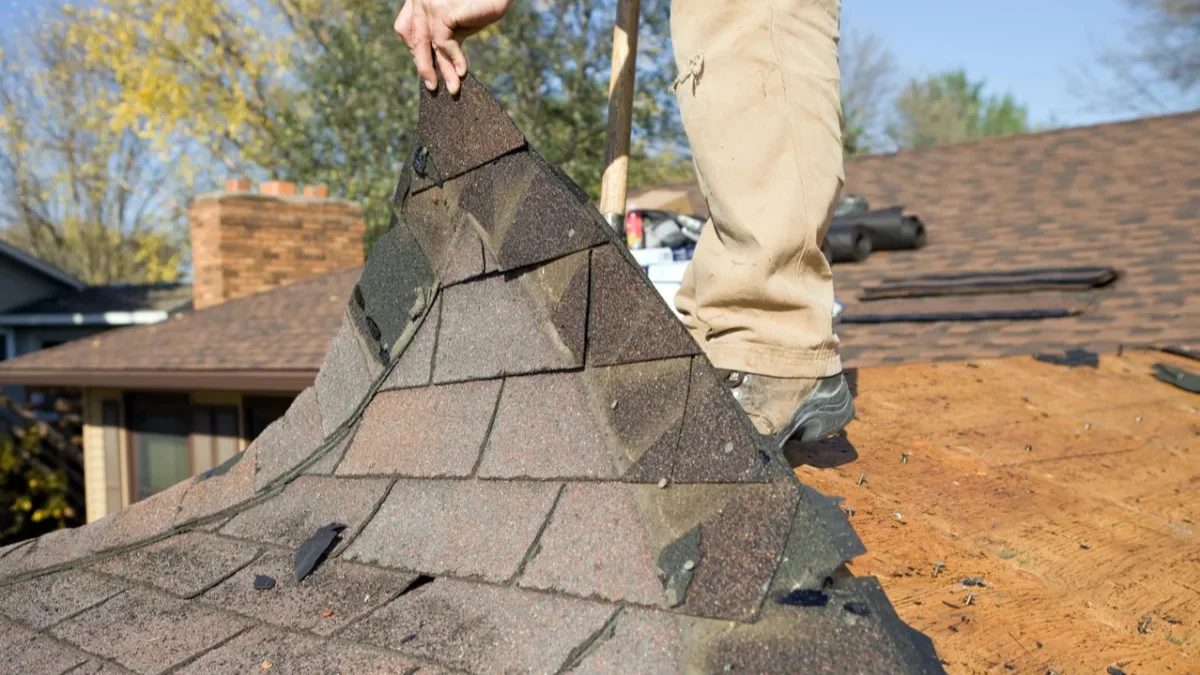
Replacing a roof is one of the most significant home improvement projects any homeowner will undertake. Understanding the Average Roof Replacement Cost helps you budget effectively, compare contractor quotations and choose the most suitable roofing materials for your property. Whether your roof has reached the end of its lifespan or has suffered severe weather damage, knowing the typical costs involved can prevent unexpected expenses and ensure you make informed decisions.
The Average Roof Replacement Cost in the UK varies according to several important factors, including roof size, property type, roofing material, labour charges and accessibility. While a small terraced property may require a modest budget, larger detached homes with complex roof designs naturally cost more. This guide explains everything you need to know about roof replacement pricing in 2026, helping you understand where your money goes and how to achieve the best value.
What Is the Average Roof Replacement Cost?
The Average Roof Replacement Cost in the UK generally ranges between £4,000 and £15,000, although every project is unique. A simple roof with concrete tiles on a small house will usually cost much less than replacing a large slate roof with multiple chimneys, valleys and dormer windows. Labour costs, regional pricing and the condition of the existing roof also play an important role in determining the final quotation.
Most professional roofing companies provide detailed estimates that include materials, labour, scaffolding, waste removal and roof disposal. Understanding these individual costs allows homeowners to compare quotations more accurately rather than simply choosing the cheapest option. Investing in quality workmanship often reduces future maintenance costs and extends the lifespan of your new roof, making it a worthwhile long-term investment.
Roof replacement should never be viewed as just another household expense. Instead, it should be considered an investment that protects your property, improves insulation and increases overall property value. Choosing the right contractor and materials can significantly influence both the initial installation cost and the long-term performance of your roof.
Roof Replacement Costs by Property Type
Property type is one of the biggest influences on roofing costs because each home has a different roof size, layout and level of complexity. A terraced house generally has a smaller roof area and simpler construction, making it one of the most affordable properties to reroof. Semi-detached houses require slightly more materials and labour, while detached properties naturally involve greater costs due to their larger surface area.
Bungalows often have larger roof footprints despite having only one storey, meaning material costs may increase even if scaffolding requirements are reduced. Older properties may also require additional structural work before a new roof can be installed safely, increasing the overall project budget. Every property should therefore be assessed individually before any pricing is finalised.
Modern homes sometimes include roof windows, solar panels or ventilation systems that require careful removal and reinstallation during the replacement process. These additional features can extend installation time and increase labour charges. Understanding how your property’s design affects roofing costs allows you to prepare a more accurate budget before requesting quotations.
Roof Replacement Costs by Roof Type
The style of your roof has a direct impact on the amount of labour and materials required for replacement. Flat roofs are generally among the most affordable because they use fewer materials and simpler installation techniques. Popular flat roofing systems include EPDM rubber, GRP fibreglass and high-performance felt, each offering different levels of durability and maintenance requirements.
Pitched roofs usually require more skilled workmanship because tiles or slates must be installed carefully to ensure long-term weather resistance. Roofs with steep pitches, valleys, hips or multiple ridges involve additional labour, increasing the overall project cost. Natural slate roofs represent one of the highest investments but offer exceptional durability, with many lasting over one hundred years when properly maintained.
Clay and concrete tiles remain popular choices for UK homeowners because they combine attractive appearance with excellent durability. Metal roofing has also become increasingly common due to its modern appearance, lightweight construction and impressive lifespan. Selecting the right roofing material should balance your available budget, desired appearance and expected maintenance requirements over the coming decades.
Factors That Affect the Average Roof Replacement Cost
Several important factors influence the Average Roof Replacement Cost, making every roofing project different. Roof size is usually the biggest pricing factor because larger roofs require additional materials, longer installation times and more labour. However, roof complexity also plays a significant role, particularly if your property contains chimneys, dormers, skylights or complicated roof angles.
The choice of roofing material has a considerable effect on the final quotation. Concrete tiles generally offer one of the most cost-effective solutions, while natural slate, clay tiles and metal roofing command higher prices because of their premium quality and longer lifespan. Although premium materials require a larger initial investment, they often deliver better long-term value through improved durability and reduced maintenance.
Regional labour rates also contribute significantly to the total roof replacement cost. Homeowners in London and the South East frequently pay more than those living in other parts of the UK due to higher operating costs and greater demand for skilled tradespeople. Accessibility can also increase costs if additional scaffolding or specialist equipment is required to complete the work safely.
Weather conditions and seasonal demand can influence roofing prices as well. Many homeowners schedule roof replacements during spring and summer, creating higher demand for experienced contractors. Booking work during quieter periods may help reduce labour costs while still ensuring high-quality workmanship from reputable roofing companies.
Roof Material Cost Comparison

Choosing the right roofing material is one of the most important decisions during any roof replacement project. Asphalt shingles remain one of the most affordable roofing options worldwide, although they are less common in the UK than concrete or clay tiles. Concrete roof tiles provide an excellent combination of affordability, durability and weather resistance, making them a popular choice for many British homeowners.
Clay roof tiles offer a more traditional appearance and often last considerably longer than standard concrete alternatives. Natural slate represents the premium end of the market, delivering exceptional beauty, durability and longevity. Although slate roofs require a higher initial investment, many continue protecting homes for more than a century, making them one of the best long-term roofing solutions available.
Modern roofing materials such as metal roofing, EPDM rubber and GRP fibreglass continue growing in popularity due to their excellent performance and minimal maintenance requirements. Metal roofs provide outstanding energy efficiency, while EPDM and GRP systems offer reliable waterproof protection for flat roofs. Comparing material lifespan, maintenance needs and installation costs helps homeowners select the most suitable roofing solution for their budget and property.
Hidden Costs Homeowners Should Consider
Many homeowners focus only on the quoted installation price and overlook additional expenses that can increase the final bill. One of the most common hidden costs is the removal and disposal of the old roofing materials. Depending on the roof size and the type of material being removed, waste disposal, skip hire and landfill charges can add a noticeable amount to the overall project budget.
Scaffolding is another expense that is sometimes underestimated. Properties with difficult access, multiple storeys or steep roof pitches usually require more extensive scaffolding, increasing labour and equipment costs. Building regulations, roof inspections and temporary weather protection may also be necessary during the replacement process, so it is important to ask your contractor for a fully itemised quotation before work begins.
Unexpected structural repairs are another factor that can influence the Average Roof Replacement Cost. Once the existing roof has been removed, roofers may discover damaged timber, rotten battens or worn roofing felt that must be replaced before the new roof is installed. Setting aside a contingency fund of around ten to fifteen percent can help you manage these unexpected costs without delaying the project.
How to Reduce Roof Replacement Costs
Replacing a roof is a major investment, but there are several practical ways to reduce costs without compromising on quality. One of the best approaches is to obtain quotations from at least three experienced roofing contractors. Comparing prices, warranties and the scope of work helps you understand what is included and ensures you receive competitive value rather than simply choosing the lowest quote.
Selecting materials that offer the best balance between cost and durability can also save money over the long term. Concrete roof tiles, for example, are often more affordable than natural slate while still providing excellent weather protection and a long service life. Investing in quality materials reduces the likelihood of future repairs and helps maintain the value of your property.
Regular roof maintenance is another effective way to avoid unnecessary replacement costs. Cleaning gutters, replacing damaged tiles promptly and arranging periodic roof inspections can prevent small issues from developing into expensive structural problems. A well-maintained roof generally lasts longer, reducing the need for premature replacement and improving your home’s overall protection.
Should You Repair or Replace Your Roof?
Not every roofing problem requires a complete replacement. Minor leaks, cracked tiles or isolated storm damage can often be repaired quickly and at a relatively low cost. If the roof structure remains sound and the damage is limited to a small area, professional repairs may extend the roof’s lifespan for several more years without the expense of a full replacement.
However, repeated repairs can eventually become more expensive than installing a completely new roof. If your roof is more than twenty-five years old, suffers from recurring leaks or has widespread structural deterioration, replacing the entire roof may prove to be the most cost-effective solution. A new roof provides improved weather resistance, better insulation and greater peace of mind for many years.
A professional roof inspection is the best way to determine whether repair or replacement is the right option. Experienced roofing contractors can identify hidden problems that may not be visible from the ground and provide honest recommendations based on the overall condition of your roof rather than temporary cosmetic issues.
How to Choose a Reliable Roofing Contractor
Selecting a trustworthy roofing contractor is just as important as choosing the right roofing materials. A reputable company should have appropriate insurance, proven experience and positive customer reviews from previous clients. Asking for references and viewing examples of completed projects can provide additional confidence before making your decision.
Always request a detailed written quotation that clearly outlines material costs, labour charges, scaffolding, waste disposal and estimated completion times. Transparent pricing helps prevent misunderstandings and allows you to compare different contractors on an equal basis. Avoid companies that provide vague estimates or request unusually large upfront payments before work begins.
It is also worthwhile checking whether the contractor offers guarantees on both workmanship and materials. Reliable roofing companies are confident in the quality of their work and are usually willing to provide warranties that protect homeowners against defects or installation issues. Choosing an experienced professional ensures your investment delivers long-lasting value and excellent performance.
Conclusion
Understanding the Average Roof Replacement Cost allows homeowners to plan confidently and make informed financial decisions before starting a roofing project. Although replacement costs vary depending on property size, roofing material, labour rates and roof complexity, obtaining detailed quotations and understanding every cost involved will help you avoid unexpected expenses and stay within budget.
Investing in a professionally installed roof is one of the most valuable improvements you can make to your property. A quality roof enhances kerb appeal, improves energy efficiency, increases property value and protects your home from the unpredictable British weather. By selecting durable materials, maintaining your roof regularly and working with a reputable contractor, you can ensure your investment delivers outstanding performance for decades to come.
Frequently Asked Questions
What is the Average Roof Replacement Cost in the UK?
The Average Roof Replacement Cost in the UK is typically between £4,000 and £15,000, depending on the property and roofing materials.
How much does a new roof cost for a 3-bedroom semi-detached house?
A new roof for a 3-bedroom semi-detached house usually costs £6,000 to £10,000.
Which roofing material lasts the longest?
Natural slate is the longest-lasting roofing material, often lasting 100 years or more.
How long does a roof replacement take?
Most roof replacements are completed within 3 to 7 days.
Does home insurance cover roof replacement?
Insurance may cover roof replacement if the damage is caused by an insured event.
Is it cheaper to repair a roof instead of replacing it?
Yes, minor damage is usually cheaper to repair than replacing the entire roof.
What factors affect the Average Roof Replacement Cost?
Roof size, materials, labour, access and structural repairs all affect the total cost.
Can I stay in my home during a roof replacement?
Yes, most homeowners can remain in their property during the work.
How can I reduce roof replacement costs?
Compare multiple quotes, choose suitable materials and maintain your roof regularly.
How often should a roof be replaced?
Most roofs need replacing every 20 to 100 years, depending on the material and maintenance.