
Essential Roof Maintenance Tips to Prevent Costly Repairs
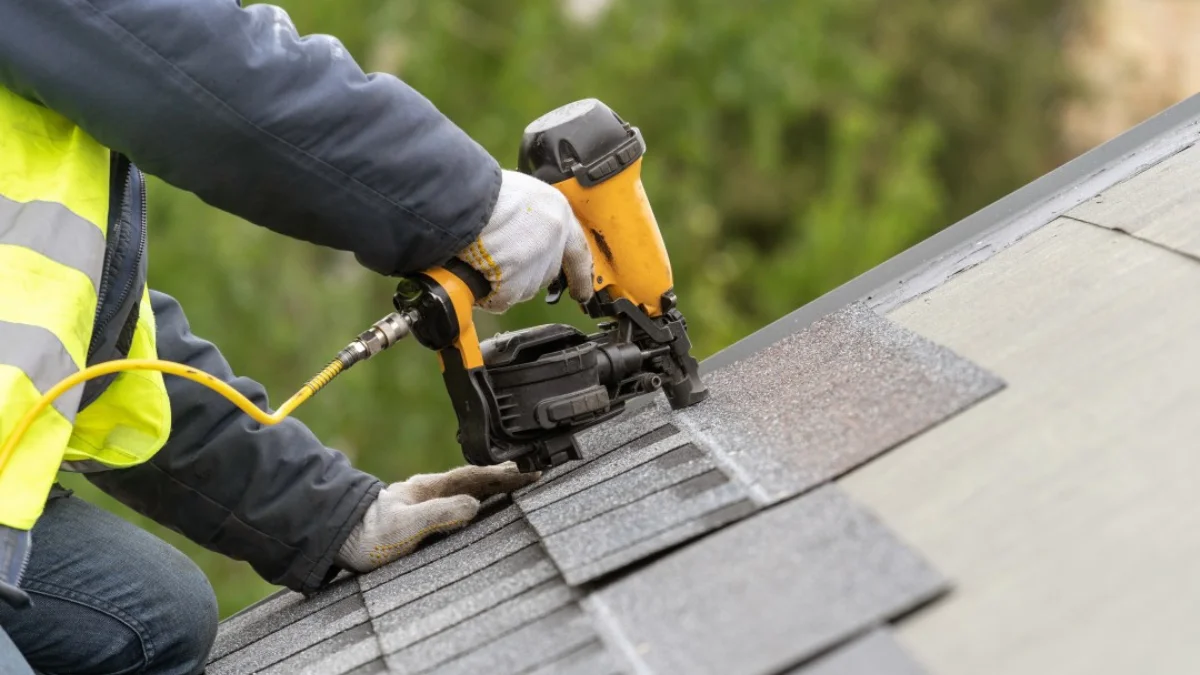
A well-maintained roof is one of the most valuable investments you can make for your home. It protects your property from heavy rain, strong winds, frost, and changing weather conditions while helping to keep your home warm and energy efficient. Ignoring routine maintenance can allow small problems to develop into serious structural issues that are expensive and time-consuming to repair. Following Essential Roof Maintenance Tips throughout the year helps homeowners avoid unnecessary damage and maintain a safe, secure property.
Regular roof care is not only about preventing leaks. It also improves the lifespan of roofing materials, enhances your home’s appearance, and protects its overall value. Whether your property has slate, clay tiles, concrete tiles, metal roofing, or a flat roof, adopting simple maintenance habits can make a significant difference. This guide explains the most effective Essential Roof Maintenance Tips that every UK homeowner should know.
Why Essential Roof Maintenance Tips Matter
Your roof is constantly exposed to harsh weather, including rain, snow, high winds, and ultraviolet sunlight. Over time, these conditions naturally wear down roofing materials, causing cracked tiles, damaged flashing, blocked gutters, and water penetration. Without regular inspections, these minor faults may remain unnoticed until they become costly repairs. Applying Essential Roof Maintenance Tips ensures that problems are identified early before they affect the structure of your home.
Regular maintenance also contributes to lower long-term costs and better home efficiency. A roof that is kept clean and free from damage performs better during every season and reduces the risk of damp, mould, and insulation problems. Investing a small amount of time in preventative maintenance each year is considerably more affordable than replacing large sections of a damaged roof or repairing internal water damage.
Essential Roof Maintenance Tips Every Homeowner Should Follow
One of the most important maintenance tasks is inspecting your roof at least twice each year, preferably during spring and autumn. Walk around your property and look for missing tiles, cracked slates, loose flashing, blocked gutters, moss growth, or signs of sagging. Even a simple visual inspection from ground level can reveal early warning signs that require attention before they develop into more serious issues.
Keeping your roof clean is equally important. Remove leaves, branches, and other debris that collect on the roof surface or inside gutters, as trapped moisture encourages moss, algae, and rot. Clean gutters allow rainwater to flow away efficiently, reducing the risk of leaks and damp walls. Following these Essential Roof Maintenance Tips consistently will help preserve your roof’s condition and significantly extend its lifespan.
Seasonal Roof Maintenance
Different seasons create different challenges for roofing systems, making seasonal maintenance an essential part of responsible home ownership. During spring, inspect your roof after winter storms for cracked tiles, damaged flashing, or blocked drainage channels. Summer provides ideal weather for completing repairs because dry conditions allow roofing materials to be replaced safely and effectively.
Autumn maintenance should focus on clearing leaves from gutters and trimming overhanging tree branches before winter arrives. During winter, regularly check for signs of ice damage, loose tiles, or water entering the loft after heavy rainfall. Applying Essential Roof Maintenance Tips throughout every season helps your roof remain durable and capable of protecting your property regardless of changing weather conditions.
Common Roof Problems You Should Never Ignore
Many roofing problems begin as small defects that are easy and inexpensive to repair. Missing roof tiles, damaged flashing, cracked ridge tiles, blocked gutters, and loose fixings may initially seem minor, but they often allow water to penetrate beneath the roof covering. Over time, moisture can damage insulation, timber structures, ceilings, and interior decorations, resulting in far more expensive repairs.
Moss and algae growth should also never be ignored because they trap moisture against roofing materials and accelerate deterioration. Flat roofs may develop standing water, while older roofs can suffer from sagging sections that indicate structural concerns. Identifying these issues during routine inspections allows repairs to be completed before permanent damage occurs, protecting both your roof and your property’s value.
Roof Maintenance for Different Roofing Materials

Every roofing material requires its own maintenance approach. Slate roofs should be checked regularly for slipped or broken slates, while clay and concrete tiles should be inspected after severe weather for cracks or movement. Metal roofs benefit from routine inspections for corrosion, damaged coatings, and loose fixings that could eventually compromise waterproofing performance.
Flat roofing systems such as EPDM rubber, felt, and GRP fibreglass require particular attention because poor drainage can lead to standing water and membrane damage. Property owners should inspect drainage outlets, seams, and surface condition throughout the year. Following Essential Roof Maintenance Tips that are appropriate for your specific roofing material ensures maximum durability and reduces unnecessary maintenance costs.
Roof Maintenance Safety Tips
Roof maintenance should always be carried out with safety as the highest priority. Climbing onto a roof without suitable equipment or experience presents significant risks, particularly during wet or windy weather. Stable ladders, non-slip footwear, protective gloves, and appropriate safety equipment should always be used whenever maintenance is performed at height.
Many simple maintenance tasks, including visual inspections, gutter clearing, and checking for obvious damage, can often be completed safely from ground level or using appropriate access equipment. However, complex repairs involving structural damage, chimney flashing, steep roofs, or extensive tile replacement should always be completed by experienced roofing professionals who have the correct training and safety equipment.
Professional Roof Inspections vs DIY Maintenance
DIY maintenance is an excellent way to identify visible signs of wear before they become expensive problems. Homeowners can inspect roof tiles, remove debris, monitor gutters, and look for signs of damp within the loft without requiring specialist knowledge. These regular checks form an important part of preventative maintenance and reduce the likelihood of unexpected roofing failures.
Professional roof inspections provide a much more detailed assessment of the roof’s overall condition. Qualified roofers can identify hidden defects, structural weaknesses, ventilation issues, and waterproofing failures that are not obvious during a routine inspection. Combining regular DIY checks with occasional professional inspections offers the most reliable long-term protection for any residential roofing system.
Roof Maintenance Mistakes to Avoid
Many homeowners unintentionally damage their roofs by delaying small repairs or ignoring routine maintenance altogether. Allowing gutters to become blocked, walking carelessly across fragile roof tiles, or leaving damaged flashing unrepaired can all shorten the life of the roofing system. Small maintenance tasks completed promptly usually prevent much larger repair bills later.
Another common mistake is using pressure washers or harsh chemical cleaners on delicate roofing materials. High-pressure water can strip protective coatings, loosen tiles, and reduce the lifespan of the roof. Gentle cleaning methods designed specifically for roofing materials provide far safer results while maintaining the appearance and structural integrity of the roof.
Roof Maintenance Costs and Money-Saving Tips
Routine roof maintenance represents one of the most cost-effective investments homeowners can make. Annual inspections, gutter cleaning, moss removal, and small repairs usually cost far less than repairing extensive water damage or replacing an entire roof. Preventative maintenance helps homeowners avoid emergency call-out charges while extending the life of existing roofing materials.
Following Essential Roof Maintenance Tips also improves energy efficiency by preventing damp insulation and unwanted heat loss. Maintaining a small annual budget for roof care ensures that problems are resolved quickly before repair costs escalate. Regular maintenance ultimately saves money while protecting one of the most valuable parts of your home.
Conclusion
A roof is designed to protect your home every day of the year, but it can only perform effectively when it receives proper care and attention. Regular inspections, seasonal maintenance, gutter cleaning, and prompt repairs all contribute towards a stronger, safer, and more reliable roofing system. Preventative maintenance is always more affordable than dealing with major structural damage after problems have developed.
By consistently following these Essential Roof Maintenance Tips, homeowners can extend the lifespan of their roof, reduce expensive repair costs, improve energy efficiency, and protect the value of their property. Whether you carry out simple inspections yourself or arrange professional maintenance, investing in regular roof care will provide lasting benefits and peace of mind for many years to come.
Frequently Asked Questions
What are the most important Essential Roof Maintenance Tips?
Inspect your roof regularly, clean gutters, remove debris, and repair damage promptly.
How often should I inspect my roof?
Inspect your roof at least twice a year and after severe weather.
Can regular roof maintenance prevent leaks?
Yes, regular maintenance helps prevent leaks by fixing problems early.
Is moss harmful to a roof?
Yes, moss traps moisture and can damage roofing materials over time.
Should I maintain my roof myself or hire a professional?
Basic maintenance is suitable for homeowners, but major repairs should be left to professionals.