
Residential Electrical Wiring Guide for UK Homes (2026)
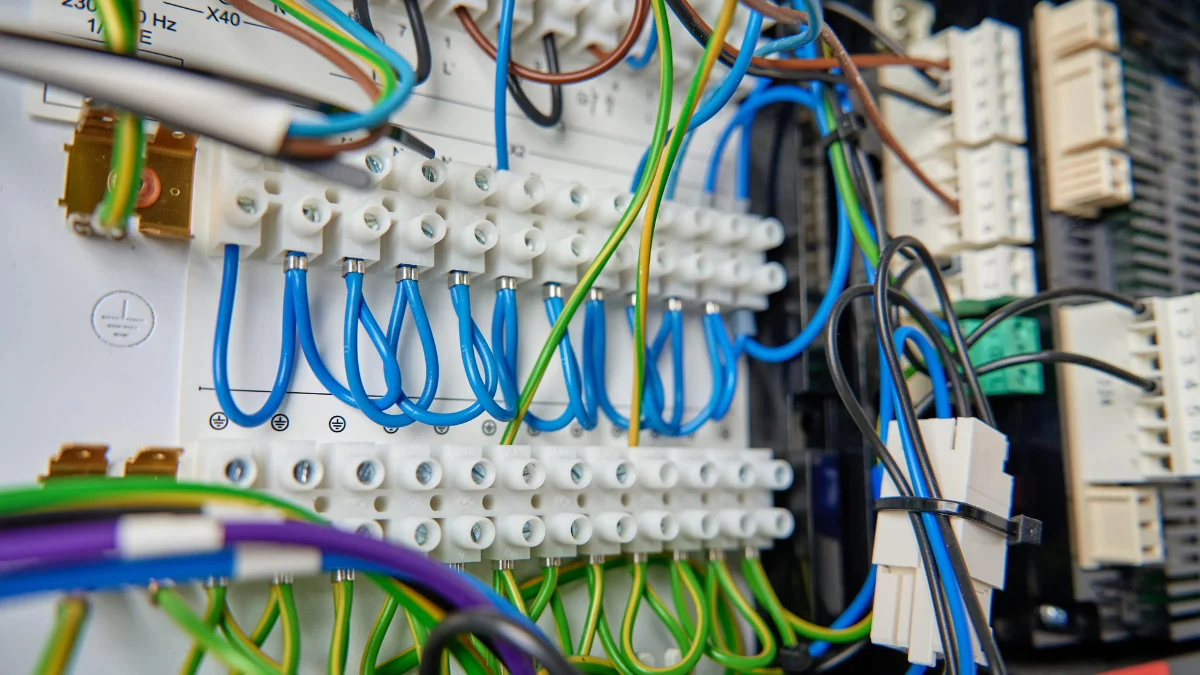
Residential Electrical Wiring Guide is an essential resource for homeowners who want to understand how electricity is safely distributed throughout a property. Whether you are planning a home renovation, replacing outdated wiring, or simply learning the basics, having a solid understanding of residential electrical systems helps you make informed decisions. A properly designed electrical installation not only improves convenience but also protects your family and property from avoidable electrical hazards.
A reliable Residential Electrical Wiring Guide explains the purpose of circuits, consumer units, wiring colours, cable types, and safety regulations used across the UK. It also highlights the importance of using qualified electricians for complex work while helping homeowners recognise common issues before they become expensive repairs. Understanding these principles supports safer homes and long-lasting electrical performance.
Understanding Residential Electrical Wiring
Residential electrical wiring refers to the complete network of electrical cables, switches, sockets, lighting circuits, and protective devices that deliver electricity throughout a home. Every component works together to provide a continuous and safe supply of power to appliances, lighting, heating systems, and modern household technology. A well-planned wiring system improves efficiency while reducing the likelihood of electrical faults.
A detailed Residential Electrical Wiring Guide helps readers understand how electricity travels from the consumer unit through individual circuits before returning safely. Learning these fundamentals allows homeowners to appreciate why correct cable installation, suitable circuit protection, and professional testing are vital for maintaining a safe and reliable electrical system that complies with UK standards.
Main Components of a UK Home Electrical System
Every UK property relies on several important electrical components working together. The consumer unit distributes electricity to individual circuits, while circuit breakers and residual current devices provide essential protection against overloads and electrical faults. Switches, sockets, lighting fittings, junction boxes, and cables all play a significant role in ensuring electricity reaches every area of the home safely.
Understanding these components allows homeowners to recognise the purpose of each element within the electrical installation. A quality Residential Electrical Wiring Guide explains how live, neutral, and earth conductors work together while highlighting why every connection must remain secure and properly protected inside approved electrical enclosures for maximum safety.
Common Types of Residential Electrical Wiring
Different electrical installations require different cable types depending on their intended purpose. Twin and earth cable remains the standard choice for most internal domestic circuits throughout the UK because it offers excellent durability and reliable performance. Steel wire armoured cable is commonly selected for outdoor installations where additional mechanical protection is required.
Flexible cables are frequently used for appliances, lighting fixtures, and equipment requiring movement, while heat-resistant cables are installed near boilers and other high-temperature environments. Choosing suitable materials is an important part of every Residential Electrical Wiring Guide because selecting the correct cable improves electrical safety, system reliability, and long-term performance.
Understanding Wire Colours and Electrical Safety
Correct wire identification is one of the most important aspects of electrical safety. Modern UK wiring uses brown for the live conductor, blue for the neutral conductor, and green with yellow stripes for the protective earth conductor. Older properties may still contain previous wiring colours, making careful identification essential before carrying out any electrical work.
Following a Residential Electrical Wiring Guide helps homeowners understand why incorrectly identifying wires can create serious safety risks. Safe electrical practice always involves proper testing, suitable isolation procedures, and compliance with current UK regulations. These precautions reduce the possibility of electric shock, damaged equipment, and electrical fires caused by incorrect connections.
Residential Electrical Wiring Installation Process

Successful electrical installations begin with careful planning before any cables are installed. Electricians prepare circuit layouts, identify socket and switch locations, calculate electrical loads, and determine the safest cable routes through walls and ceilings. Proper planning reduces installation errors while ensuring every circuit can safely support its intended electrical demand.
During installation, cables are securely fixed, terminated inside approved electrical boxes, and connected according to recognised standards. Once the work is complete, the entire system undergoes detailed inspection and testing before power is restored. This process ensures the installation operates safely and complies with UK electrical regulations.
Electrical Wiring Regulations and Safety Standards
Electrical installations in the United Kingdom must comply with recognised safety standards to protect both people and property. Building Regulations Part P and the latest edition of BS 7671 establish requirements for domestic electrical work, helping ensure every installation meets strict safety and performance expectations.
A dependable Residential Electrical Wiring Guide explains why compliance with these regulations is so important. Certified installations reduce insurance complications, improve property value, and provide reassurance that the electrical system has been designed and tested according to nationally recognised safety standards by competent professionals.
Choosing the Correct Wire Size and Circuit Protection
Every electrical circuit requires a cable capable of carrying its expected electrical load without overheating. Smaller circuits serving lighting require different cable sizes than dedicated circuits supplying ovens, showers, or electric vehicle chargers. Choosing unsuitable cable sizes can result in overheating, voltage drop, and unnecessary electrical hazards.
Protective devices such as circuit breakers and residual current devices work alongside correctly sized cables to disconnect electricity whenever faults occur. A Residential Electrical Wiring Guide demonstrates how suitable protection improves household safety while extending the lifespan of electrical installations and connected appliances.
Tools and Materials Needed for Residential Wiring
Professional electricians rely on specialised equipment to complete installations accurately and safely. Common tools include insulated screwdrivers, cable cutters, wire strippers, voltage testers, multimeters, conduit tools, fish tapes, and cable clips. Using the correct equipment helps minimise installation errors while improving the quality of finished electrical work.
Quality materials are equally important for long-term reliability. Approved consumer units, certified sockets, durable switches, high-quality cables, and compliant accessories all contribute to a dependable installation. Investing in recognised electrical products reduces maintenance requirements and supports safer operation throughout the life of the property.
Common Residential Electrical Wiring Problems
Electrical faults often develop gradually and may remain unnoticed until obvious warning signs appear. Flickering lights, repeatedly tripping circuit breakers, warm sockets, buzzing switches, overloaded extension leads, and damaged cable insulation are common indicators that an electrical system requires professional inspection before the problem becomes more serious.
Ignoring these warning signs can increase the likelihood of electrical fires, equipment damage, and unexpected power failures. Regular inspections carried out by qualified electricians allow hidden issues to be identified early, helping homeowners avoid costly repairs while maintaining a safer living environment for everyone.
Electrical Safety Tips for Homeowners
Electrical safety begins with sensible everyday habits. Homeowners should avoid overloading sockets, replace damaged accessories immediately, test residual current devices regularly, and never attempt repairs on live electrical circuits. Simple precautions significantly reduce the likelihood of electrical accidents within the home.
Whenever major electrical work is required, employing a qualified electrician remains the safest choice. Professional installers understand current regulations, carry out thorough testing, and provide certification where necessary. Following expert advice helps ensure every installation remains safe, efficient, and fully compliant with UK standards.
Residential Electrical Wiring Maintenance
Routine maintenance plays a major role in preserving the performance and safety of residential electrical systems. Periodic visual inspections, testing protective devices, checking consumer units, and replacing worn accessories help prevent faults before they develop into larger problems requiring extensive repairs.
Older homes may eventually require partial rewiring or complete electrical upgrades to support modern appliances and changing energy demands. Maintaining wiring according to current standards improves reliability, reduces future maintenance costs, and provides long-term confidence that the home’s electrical installation remains safe for everyday use.
Conclusion
A comprehensive Residential Electrical Wiring Guide provides homeowners with valuable knowledge about electrical systems, safety practices, cable types, regulations, and installation methods used throughout the UK. Understanding these principles supports informed decision-making while helping property owners recognise when professional assistance is required.
Whether you are upgrading an existing installation or planning a completely new electrical system, following recognised UK standards is essential for long-term safety and performance. Investing in quality materials, arranging regular inspections, and using qualified electricians will help create a dependable electrical installation that protects your home, your family, and your investment for many years to come.
Frequently Asked Questions
What is a Residential Electrical Wiring Guide?
It explains how residential electrical systems are planned, installed, and maintained safely.
Can I carry out electrical wiring myself in the UK?
Minor work may be allowed, but most electrical work should be completed by a qualified electrician.
What is the purpose of a consumer unit?
It distributes electricity and protects circuits using breakers and safety devices.
How often should home wiring be inspected?
Most homes should have an Electrical Installation Condition Report (EICR) at recommended intervals or when buying or selling a property.
What are the current UK wire colours?
Brown is live, blue is neutral, and green/yellow is the earth conductor.
When should a house be rewired?
Properties with old or unsafe wiring, frequent faults, or major renovations may require rewiring.