
Home Electrical Panel Upgrade: Safe Guide for 2026
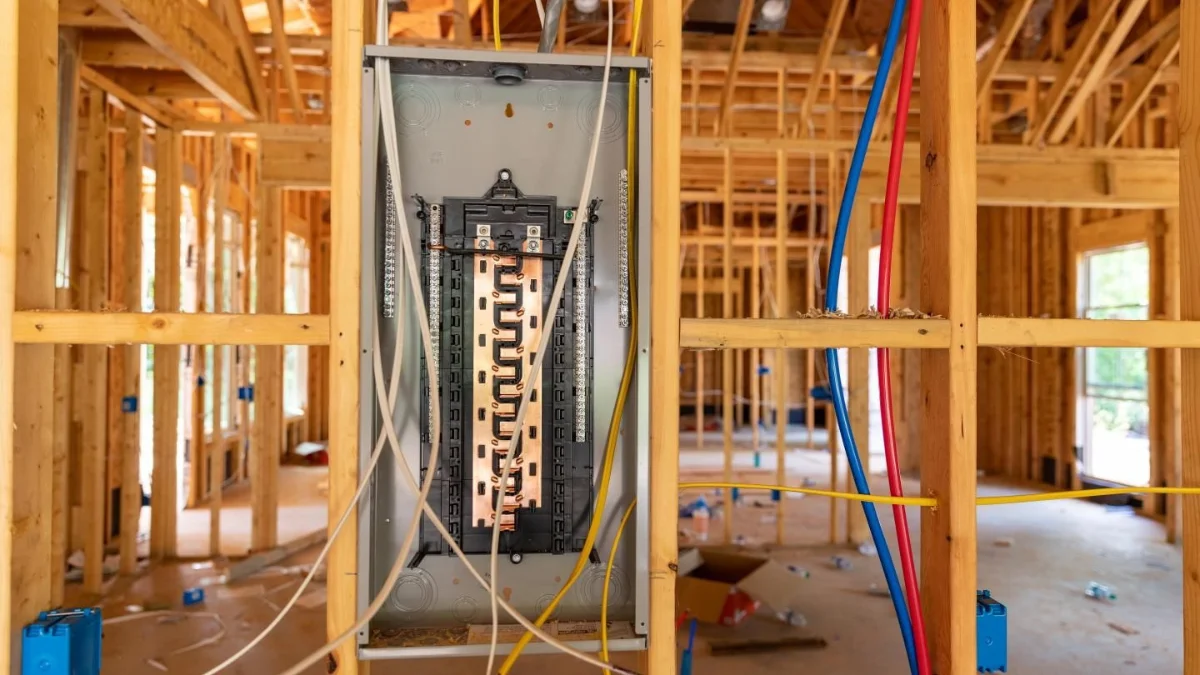
A Home Electrical Panel Upgrade is one of the most effective ways to improve the safety, reliability and efficiency of your home’s electrical system. As modern households continue to use more high-powered appliances, electric vehicle chargers, smart home devices and energy-efficient heating systems, older electrical panels can struggle to meet increasing power demands. Upgrading your electrical panel ensures your home remains safe while supporting today’s technology.
Whether you are renovating an older property or planning future improvements, understanding the importance of a Home Electrical Panel Upgrade can help you make informed decisions. This guide explains everything from warning signs and benefits to costs, installation and essential safety tips, giving homeowners a complete overview of the upgrade process.
What Is a Home Electrical Panel Upgrade?
A Home Electrical Panel Upgrade involves replacing an outdated or undersized electrical panel with a modern unit capable of handling greater electrical loads. The electrical panel acts as the central hub that distributes electricity throughout your property while protecting every circuit from overloads and faults. Modern panels include advanced safety features designed to reduce risks and improve overall performance.
Unlike a complete house rewire, upgrading the panel mainly focuses on improving the main electrical distribution point. This means homeowners can often enjoy increased electrical capacity without replacing every cable in the property. A professionally installed panel provides better reliability, supports future electrical needs and complies with current UK electrical safety regulations.
Signs You Need a Home Electrical Panel Upgrade
Several warning signs suggest it may be time for a Home Electrical Panel Upgrade. Frequent circuit breaker trips, flickering lights, buzzing noises coming from the panel, burning smells or an old fuse box are all indications that your existing electrical system may no longer be suitable for modern electricity demands. Ignoring these issues can increase the risk of electrical faults and expensive repairs.
Another common reason for upgrading is adding new electrical equipment. Installing an electric vehicle charger, air conditioning, heat pump, home extension or high-powered kitchen appliances significantly increases electrical demand. If your current panel cannot safely support these additions, upgrading it becomes essential for maintaining a reliable and secure electrical supply.
Benefits of a Home Electrical Panel Upgrade
One of the greatest advantages of a Home Electrical Panel Upgrade is improved safety. Modern panels include enhanced circuit protection that helps prevent electrical overloads, short circuits and potential fire hazards. They also provide greater protection for sensitive electronics, reducing the risk of costly damage caused by unstable electrical supplies.
An upgraded electrical panel also improves convenience and long-term property value. Homeowners can operate multiple appliances without constantly resetting breakers, while future renovations become much easier to accommodate. Buyers often appreciate updated electrical systems because they provide confidence that the property meets modern safety standards and electrical requirements.
Home Electrical Panel Upgrade Process
The first stage of a Home Electrical Panel Upgrade begins with a detailed inspection by a qualified electrician. During this assessment, the electrician evaluates your existing panel, calculates current electrical demand and determines whether additional capacity is required. They will also identify any outdated components that should be replaced to improve overall system safety.
Once the inspection is complete, the old panel is carefully removed and replaced with a new unit. Every circuit is tested before being reconnected, ensuring the installation operates correctly and complies with UK electrical regulations. After final testing and certification, homeowners receive a safer and more efficient electrical system that is ready for future expansion.
Home Electrical Panel Upgrade Costs in 2026

The cost of a Home Electrical Panel Upgrade depends on several important factors, including the size of the panel, labour charges, property age and whether additional electrical work is required. Homes with ageing wiring or outdated equipment may require further improvements, increasing the total installation cost beyond a straightforward panel replacement.
Although the initial investment may seem significant, upgrading your electrical panel often saves money over time. Improved efficiency, reduced maintenance costs, fewer electrical faults and better support for modern appliances make the investment worthwhile. Obtaining quotations from experienced electricians allows homeowners to compare services and choose the most suitable solution.
Choosing the Right Electrical Panel
Selecting the correct electrical panel is essential for achieving long-term performance and safety. The ideal panel should comfortably meet your home’s current electrical usage while leaving enough spare capacity for future additions such as solar panels, battery storage systems or electric vehicle charging points. Planning ahead helps avoid another upgrade in the near future.
Quality should always take priority over price when selecting an electrical panel. Choosing products from reputable manufacturers ensures greater durability, reliable circuit protection and compliance with recognised safety standards. A qualified electrician can recommend the most appropriate panel based on your property’s size, electrical usage and future development plans.
Safety Tips and Common Mistakes to Avoid
Electrical panels should only be installed by qualified professionals. Attempting a Home Electrical Panel Upgrade without the proper training can result in serious injury, equipment damage or dangerous electrical faults. Professional electricians have the knowledge, tools and experience required to complete the installation safely while meeting legal requirements.
Regular inspections after installation also play an important role in maintaining your electrical system. Avoid overloading sockets with multiple high-powered appliances, keep the panel area clean and accessible, and arrange periodic safety checks whenever major electrical equipment is added. Preventative maintenance extends the life of your electrical system and improves overall reliability.
Conclusion
A Home Electrical Panel Upgrade is a valuable investment for any homeowner looking to improve electrical safety, increase power capacity and prepare for future technology. Modern electrical panels provide dependable performance while supporting today’s growing electricity demands, helping households operate more efficiently without frequent electrical interruptions.
If your property still relies on an ageing electrical panel or frequently experiences electrical problems, arranging a professional inspection is the best first step. Investing in a Home Electrical Panel Upgrade not only improves day-to-day convenience but also protects your property, enhances its value and provides peace of mind for many years to come.
Frequently Asked Questions
What is a Home Electrical Panel Upgrade?
It replaces an old electrical panel with a modern, safer and higher-capacity unit.
How do I know if I need a Home Electrical Panel Upgrade?
Frequent breaker trips, flickering lights and outdated fuse boxes are common signs.
Can I upgrade my electrical panel without rewiring my home?
Yes, if the existing wiring is safe and meets current electrical standards.
How long does a Home Electrical Panel Upgrade take?
Most installations are completed within a single working day.
Does a Home Electrical Panel Upgrade increase property value?
Yes, a modern electrical system can improve safety, reliability and buyer appeal.