
Kitchen Extension Cost: UK Prices & Budget Guide 2026
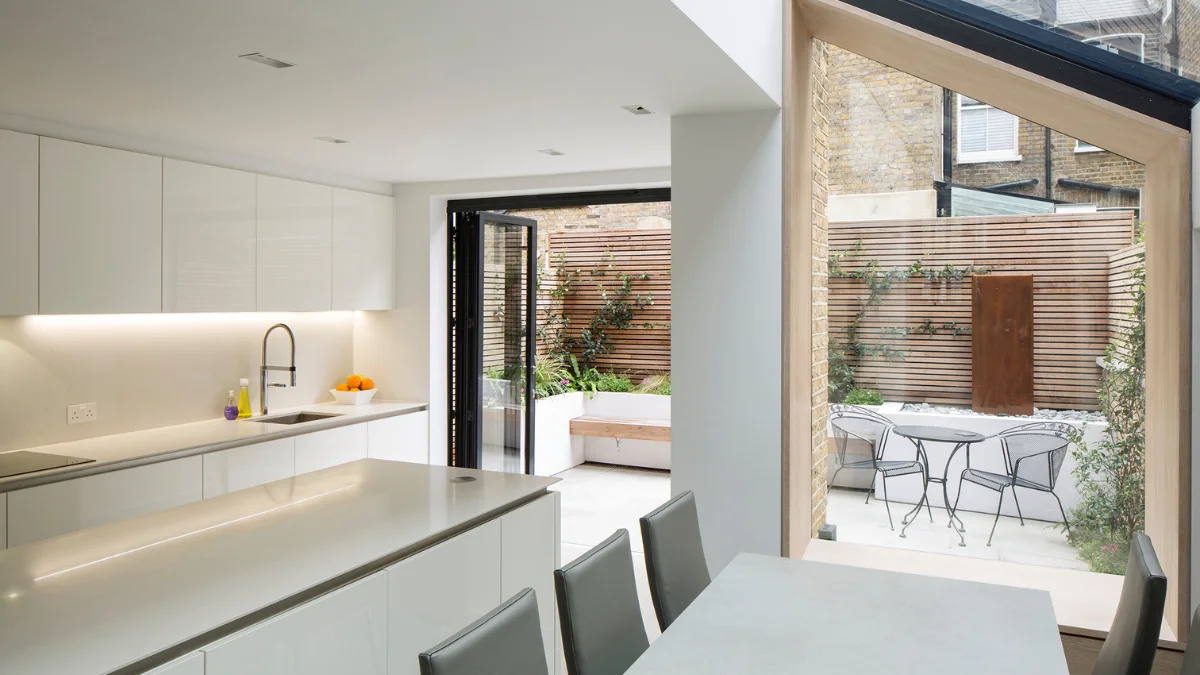
Planning a kitchen extension is one of the most effective ways to create additional living space while increasing the value of your property. Whether you want a larger family kitchen, an open-plan dining area, or a brighter entertaining space, understanding the Kitchen Extension Cost before starting your project is essential. Costs can vary significantly depending on the size, location, materials, and quality of the finish, making careful budgeting an important first step.
This guide explains everything you need to know about the Kitchen Extension Cost in the UK. From average prices and cost per square metre to the factors that influence your budget, you’ll gain a clearer understanding of what to expect. By planning ahead and comparing your options, you can create a practical budget that suits your home improvement goals without unnecessary financial surprises.
How Much Does a Kitchen Extension Cost in the UK?
The average Kitchen Extension Cost in the UK depends on several factors, including the extension size, design complexity, and your location. Most homeowners can expect to spend anywhere from £30,000 for a modest extension to well over £80,000 for a larger, high-specification project. If your extension includes a brand-new kitchen, premium appliances, and bespoke finishes, the total investment will naturally increase.
Another useful way to estimate costs is by looking at the average price per square metre. Basic extensions generally cost less than premium designs with extensive glazing, underfloor heating, and luxury materials. Labour rates also differ across the country, with London and the South East typically commanding higher prices than many other UK regions. Understanding these averages helps you create a realistic budget before requesting quotations from builders.
Kitchen Extension Cost by Extension Type
Different extension styles come with different construction requirements, which directly affect the final price. A single-storey rear extension is one of the most popular choices because it provides valuable additional space while remaining relatively straightforward to build. Side return extensions are also popular for Victorian and Edwardian homes, making use of unused alleyways to create larger kitchens without sacrificing much garden space.
More premium options, including orangery and glass extensions, usually cost more because they require specialist materials and additional structural support. Small kitchen extensions remain an excellent option for homeowners working with tighter budgets, while wraparound extensions offer maximum space for larger renovation projects. Choosing the right extension style depends on your available space, lifestyle, and overall budget rather than price alone.
Kitchen Extension Cost Per m² Explained
Estimating costs per square metre is one of the easiest ways to compare different extension projects. In many parts of the UK, construction costs typically range from approximately £1,800 to £4,500 per m², depending on specification and location. Basic projects usually include standard materials and finishes, while premium builds often feature bespoke glazing, luxury flooring, and architectural detailing.
Location remains one of the biggest influences on pricing. Homeowners in London often pay considerably more due to increased labour costs and higher material prices. Regional differences mean that similar projects may vary by thousands of pounds across the country. While cost per m² provides a useful guide, your final quotation should always include individual project requirements and site conditions.
Kitchen Extension Cost Breakdown
A kitchen extension budget involves much more than bricks and mortar. Foundations, structural walls, roofing, insulation, windows, doors, plumbing, electrical work, plastering, flooring, decorating, and kitchen installation all contribute to the overall project cost. Professional fees for architects, structural engineers, and building control should also be included from the beginning to avoid unexpected expenses later.
Many homeowners also forget to budget for VAT, waste removal, skip hire, utility diversions, and temporary kitchen arrangements during construction. These additional expenses may seem relatively small individually, but together they can add several thousand pounds to the overall project. A detailed cost breakdown helps prevent overspending and allows you to prioritise where your money will have the greatest impact.
Kitchen Extension Cost Examples

Looking at real-life examples makes budgeting far easier. A compact 10m² kitchen extension with standard finishes may cost considerably less than a 30m² open-plan extension featuring bi-fold doors, roof lanterns, and a premium fitted kitchen. The difference in overall price is influenced by both the increased construction area and the higher-quality finishes selected throughout the project.
For example, a modest rear extension combined with a mid-range kitchen often represents excellent value for many UK homeowners. Meanwhile, larger bespoke projects that include structural alterations, luxury worktops, smart home technology, and designer lighting require a much larger investment. Comparing different project examples helps you identify the most suitable option for your own home and financial circumstances.
Kitchen Extension Cost Calculator
A kitchen extension cost calculator provides a useful starting point when estimating your budget. Most calculators ask for information such as the size of the extension, your postcode, preferred specification, and whether a new kitchen is included. Although these tools cannot replace professional quotations, they offer a quick estimate that helps with early financial planning.
When using a calculator, remember that unexpected site conditions or bespoke design features can increase the final cost beyond the estimated figure. Treat calculator results as a helpful guide rather than a guaranteed price. Once your design has been finalised, obtaining detailed quotations from experienced contractors will provide a far more accurate understanding of the likely project cost.
Kitchen Extension Costs by UK Region
The cost of building a kitchen extension can vary significantly depending on where you live. London remains the most expensive location due to higher labour rates, increased material costs, and greater demand for skilled tradespeople. Homeowners in the South East may also pay above the national average, while regions such as the Midlands, North England, Wales, and Scotland often offer more competitive pricing for similar projects.
Regional differences should always be considered when planning your budget. Local availability of builders, transport costs for materials, and site accessibility can all influence quotations. Obtaining at least three detailed estimates from reputable contractors in your area will help you understand local market prices and ensure you receive fair value for your investment.
What Affects the Kitchen Extension Cost?
Several factors determine the final price of a kitchen extension, with size being one of the most important. Larger extensions require more materials, additional labour, and longer construction periods, naturally increasing the overall budget. Design complexity also plays a major role, particularly if your plans include vaulted ceilings, roof lanterns, large glass panels, or bespoke architectural features.
Ground conditions, drainage alterations, structural steelwork, and relocating plumbing or electrical systems can also increase costs. Choosing premium kitchen cabinets, natural stone worktops, integrated appliances, and luxury flooring will raise the budget further. Understanding these variables allows homeowners to make informed decisions while balancing quality, functionality, and affordability.
Hidden Costs You Should Budget For
Many homeowners focus on construction costs but overlook additional expenses that can significantly affect the overall budget. Professional fees for architects, structural engineers, and surveyors should be included from the beginning. Planning permission, Building Regulations approval, skip hire, scaffolding, and waste disposal are also common costs that are sometimes forgotten during the initial planning stage.
A contingency fund is equally important because unexpected issues can arise once work begins. Poor ground conditions, drainage problems, or hidden structural defects may require extra work that was not included in the original quotation. Setting aside around 10–15% of your total budget provides valuable financial flexibility and reduces the risk of delays caused by unforeseen expenses.
Planning Permission and Building Regulations
Not every kitchen extension requires planning permission, as many projects fall under Permitted Development rights. However, larger extensions or properties located in conservation areas may need formal approval before work begins. It is always advisable to check with your local authority before committing to a design, ensuring your plans comply with current regulations.
Building Regulations approval is required regardless of whether planning permission is needed. These regulations ensure your extension meets important standards relating to structural safety, insulation, fire protection, ventilation, and electrical installations. Working with qualified professionals throughout the design and construction process helps avoid costly mistakes and ensures your extension complies with all legal requirements.
How to Reduce Kitchen Extension Cost
Reducing your Kitchen Extension Cost does not necessarily mean compromising on quality. Choosing a simple rectangular design rather than a complex layout can reduce both labour and material costs. Keeping plumbing and drainage in their existing locations also minimises expensive alterations while helping builders complete the project more efficiently.
Comparing quotations from several reputable contractors is another excellent way to save money. Purchasing kitchen units during seasonal sales, selecting standard-sized windows and doors, and avoiding unnecessary structural changes can all reduce expenses. Careful planning from the outset often delivers better long-term value than making rushed decisions during construction.
Kitchen Extension vs Moving House
Many homeowners face the decision of extending their current property or moving to a larger home. Although relocating may seem attractive, the costs associated with estate agent fees, legal charges, stamp duty, removals, and property searches can quickly become substantial. In many cases, investing in a kitchen extension provides a more cost-effective solution while allowing families to remain in a neighbourhood they already enjoy.
A well-designed extension also gives homeowners complete control over the layout and functionality of their living space. Rather than adapting to another property’s limitations, you can create a kitchen that perfectly suits your lifestyle. For many families, extending offers both practical benefits and long-term financial value without the disruption of moving house.
Does a Kitchen Extension Add Value to Your Home?
A professionally designed kitchen extension can significantly increase the appeal of your property. Modern buyers often prioritise spacious open-plan kitchens that combine cooking, dining, and socialising areas. As a result, an attractive extension may improve marketability while adding meaningful value when the property is eventually sold.
The amount of value added depends on factors such as design quality, construction standards, location, and the local housing market. Extensions that blend seamlessly with the existing property and provide practical additional living space generally achieve the strongest returns. Investing in durable materials and timeless finishes also helps maximise long-term value.
Common Mistakes to Avoid
One of the most common mistakes is setting an unrealistic budget without allowing for unexpected costs. Homeowners sometimes focus solely on the builder’s quotation while overlooking professional fees, VAT, landscaping, decorating, and contingency funds. Careful financial planning from the beginning reduces the likelihood of budget overruns during construction.
Another frequent error is selecting the cheapest quotation without considering quality or experience. Choosing a reputable builder with proven references often delivers better workmanship and fewer delays. Taking time to review contracts, compare detailed estimates, and confirm exactly what is included will help ensure a smoother and more successful project.
Conclusion
Understanding the Kitchen Extension Cost is the first step towards planning a successful home improvement project. From extension size and construction quality to regional labour rates and finishing choices, many factors influence the final budget. Researching costs thoroughly before work begins allows homeowners to make informed decisions and avoid unnecessary financial surprises.
Whether you are planning a small side return extension or a large open-plan renovation, careful budgeting and professional advice are essential. By comparing quotations, allowing for hidden costs, and choosing experienced contractors, you can create a beautiful kitchen extension that enhances your lifestyle while adding lasting value to your home.
Frequently Asked Questions
How much does a kitchen extension cost in the UK?
Most UK kitchen extensions typically cost between £30,000 and £80,000, depending on the size and specification.
What is the average kitchen extension cost per m²?
The average cost is around £1,800 to £4,500 per m², depending on the quality of the build.
Does a kitchen extension require planning permission?
Many kitchen extensions fall under Permitted Development, but larger projects may require planning permission.
Is London more expensive for kitchen extensions?
Yes, kitchen extension costs in London are generally higher due to increased labour and material prices.
How can I reduce my Kitchen Extension Cost?
Choose a simple design, compare builder quotes, and set aside a contingency budget.
Does a kitchen extension increase property value?
Yes, a well-designed kitchen extension can increase both your home’s value and buyer appeal.