
Energy Efficient LED Lighting: Save Energy & Cut Bills
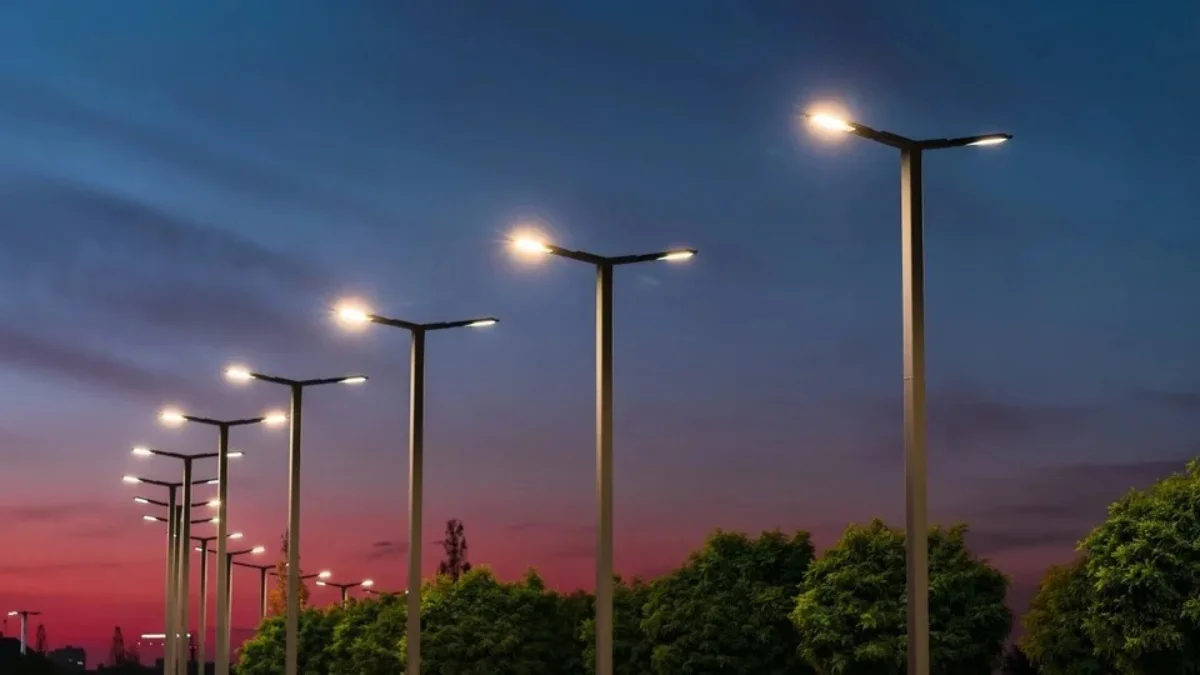
Energy Efficient LED Lighting has transformed the way people illuminate their homes and workplaces. Unlike traditional incandescent or halogen bulbs, LED technology uses significantly less electricity while delivering brighter and more consistent light. This combination of performance and efficiency makes LEDs an excellent investment for homeowners who want to reduce energy consumption without compromising comfort or style.
Choosing Energy Efficient LED Lighting is more than simply replacing old light bulbs. It is a practical step towards lowering electricity bills, reducing maintenance costs, and supporting a greener future. With continuous improvements in LED technology, modern lighting solutions now offer exceptional durability, attractive designs, and outstanding energy savings for every room in the home.
What Is Energy Efficient LED Lighting?
Energy Efficient LED Lighting refers to lighting systems that use light-emitting diode technology to produce bright illumination while consuming far less electricity than conventional lighting. Instead of generating excessive heat, LEDs convert most of the electrical energy directly into light. This efficient process reduces wasted energy and provides reliable performance throughout the lifespan of the bulb.
LED lighting is available in a wide range of products, including standard bulbs, spotlights, downlights, strip lights, ceiling panels, and smart lighting systems. Whether you are lighting a kitchen, bedroom, office, or outdoor space, there is an LED solution designed to suit your needs while maintaining excellent energy efficiency and long-lasting performance.
How Energy Efficient LED Lighting Works
Unlike traditional bulbs that rely on heating a filament, LED lights work by passing an electric current through a semiconductor material. This process creates light with very little heat loss, making LEDs much more efficient than older technologies. Because less energy is wasted, households benefit from lower electricity usage without sacrificing brightness or visibility.
Another impressive feature of LED technology is its remarkable lifespan. Many premium-quality LED bulbs can operate for between 25,000 and 50,000 hours before needing replacement. This means fewer maintenance costs, less waste, and greater convenience for homeowners looking for dependable lighting solutions that continue performing year after year.
Key Benefits of Energy Efficient LED Lighting
One of the biggest advantages of Energy Efficient LED Lighting is the noticeable reduction in electricity bills. LEDs require considerably less power while producing the same level of brightness as traditional bulbs. Over time, these savings can significantly reduce household energy expenses, making the initial investment worthwhile for families and property owners alike.
Beyond financial savings, LED lighting offers several practical benefits. These bulbs produce minimal heat, reducing fire risks and helping rooms remain cooler during warmer months. They also switch on instantly, perform well in colder temperatures, and withstand frequent switching without affecting their lifespan, making them ideal for everyday household use.
Types of Energy Efficient LED Lighting
There are many different types of LED lighting designed for specific applications. Standard LED bulbs are perfect for everyday lighting, while LED downlights create a modern appearance in kitchens, bathrooms, and living rooms. LED strip lights are popular for decorative purposes, adding stylish illumination beneath cabinets, shelving, or staircases without consuming excessive electricity.
Commercial buildings and larger homes often benefit from LED panels and ceiling lights that provide even illumination across wider spaces. Outdoor LED lighting is equally valuable, offering efficient security lighting for gardens, pathways, garages, and driveways. Each option combines attractive design with dependable performance and long-term energy savings.
How Much Money Can LED Lighting Save?

Replacing traditional bulbs with LED lighting can produce noticeable savings throughout the year. Because LEDs use substantially less electricity, households often experience lower monthly utility bills while enjoying brighter lighting. Although LED bulbs may cost more initially, their longer lifespan and lower energy consumption provide outstanding value over time.
Savings depend on factors such as daily usage, electricity tariffs, and the number of bulbs installed throughout the property. Homes that replace multiple incandescent or halogen bulbs with LEDs generally achieve greater reductions in energy costs. These ongoing savings make LED lighting one of the smartest home improvement investments available.
Choosing the Best Energy Efficient LED Lighting
Selecting the right LED lighting begins by understanding lumens rather than watts. Lumens measure brightness, while watts simply indicate electricity usage. Choosing bulbs based on lumens helps ensure every room receives the appropriate amount of light without increasing energy consumption unnecessarily. This approach improves comfort while maintaining excellent efficiency.
Colour temperature also influences the atmosphere within a room. Warm white lighting creates a cosy and relaxing environment suitable for bedrooms and lounges, whereas cool white or daylight bulbs provide brighter illumination for kitchens, bathrooms, and home offices. Purchasing quality products from reputable manufacturers also improves reliability and long-term performance.
Where to Use Energy Efficient LED Lighting
Every room within a home can benefit from LED technology. Living rooms become more welcoming with warm lighting, kitchens gain better visibility for food preparation, and bedrooms feel calmer with softer illumination. Home offices also benefit from bright, natural-looking light that supports concentration while reducing eye strain during long working hours.
Outdoor areas should not be overlooked when upgrading lighting systems. LED floodlights improve home security, while pathway lights and garden fixtures create attractive outdoor spaces after sunset. Because outdoor LEDs are designed to withstand changing weather conditions, they continue delivering dependable performance throughout the year with very little maintenance.
LED Lighting Installation Tips
Installing LED lighting is generally straightforward, particularly when replacing existing bulbs with compatible LED alternatives. Always check the fitting type before purchasing replacement bulbs to ensure proper compatibility. Turning off the electrical supply before installation improves safety and reduces the risk of accidental electrical shock during the replacement process.
Some LED products require compatible dimmer switches to operate correctly. If you are upgrading older lighting circuits or installing new fittings, consulting a qualified electrician is advisable. Professional installation ensures your lighting performs efficiently while meeting current electrical safety standards and providing reliable operation for many years.
Common Mistakes to Avoid
One common mistake is purchasing bulbs based solely on wattage rather than brightness. Modern LED lighting uses very little power, so lumens provide a much better guide when selecting suitable products. Another frequent error involves choosing the wrong colour temperature, which may create an uncomfortable atmosphere for the intended room.
Homeowners should also avoid buying poor-quality LED products simply because they are cheaper. Inferior bulbs often fail earlier and deliver inconsistent lighting performance. Additionally, using indoor-rated LEDs outdoors or connecting incompatible dimmer switches can reduce lifespan and negatively affect overall lighting quality.
Energy Efficient LED Lighting and Sustainability
Energy Efficient LED Lighting contributes significantly to environmental sustainability by reducing electricity demand and lowering carbon emissions. Since LEDs consume less energy than traditional lighting technologies, they help conserve valuable natural resources while supporting efforts to reduce greenhouse gas production. This makes them an environmentally responsible choice for households and businesses alike.
The extended lifespan of LED bulbs also reduces waste because fewer replacements are required over time. Unlike some older lighting technologies, many LEDs contain no harmful mercury, making disposal safer and simpler. Choosing LED lighting is therefore an effective way to combine personal savings with environmentally conscious living.
Future Trends in Energy Efficient LED Lighting
LED technology continues to evolve with exciting innovations designed to improve convenience and efficiency. Smart LED systems now allow homeowners to control brightness, schedules, and colours using smartphones or voice assistants. These intelligent features improve comfort while helping users monitor and reduce unnecessary energy consumption.
Future developments are expected to produce even greater efficiency and longer product lifespans. Human-centric lighting, adaptive brightness controls, and advanced motion sensors will continue making LED systems smarter and more responsive. As technology advances, LED lighting will remain one of the most efficient and sustainable lighting solutions available.
Conclusion
Energy Efficient LED Lighting offers an ideal combination of lower electricity consumption, longer lifespan, reduced maintenance, and improved lighting quality. Whether you are upgrading a single room or replacing every light throughout your property, LED technology provides reliable performance and excellent value. It represents a practical investment that benefits both household finances and the environment.
Making the switch to LED lighting is one of the simplest improvements homeowners can make to create a more energy-efficient property. With numerous styles, brightness levels, and smart features available, there is an LED solution for every home. Choosing quality LED products today will deliver lasting savings, enhanced comfort, and dependable lighting for years to come.
Frequently Asked Questions
What is Energy Efficient LED Lighting?
It is LED technology that produces bright light while using much less electricity than traditional bulbs.
Do LED lights really save electricity?
Yes, LED lights consume significantly less energy, helping reduce household electricity bills.
How long do LED bulbs usually last?
Most quality LED bulbs last between 25,000 and 50,000 hours, depending on usage.
Can LED lights be used outdoors?
Yes, many LED lights are specifically designed for outdoor use and weather resistance.
Are LED lights environmentally friendly?
Yes, they use less energy, last longer, and reduce waste compared with traditional lighting.