
Electric Water Heater Guide: Complete UK Buyer’s Guide
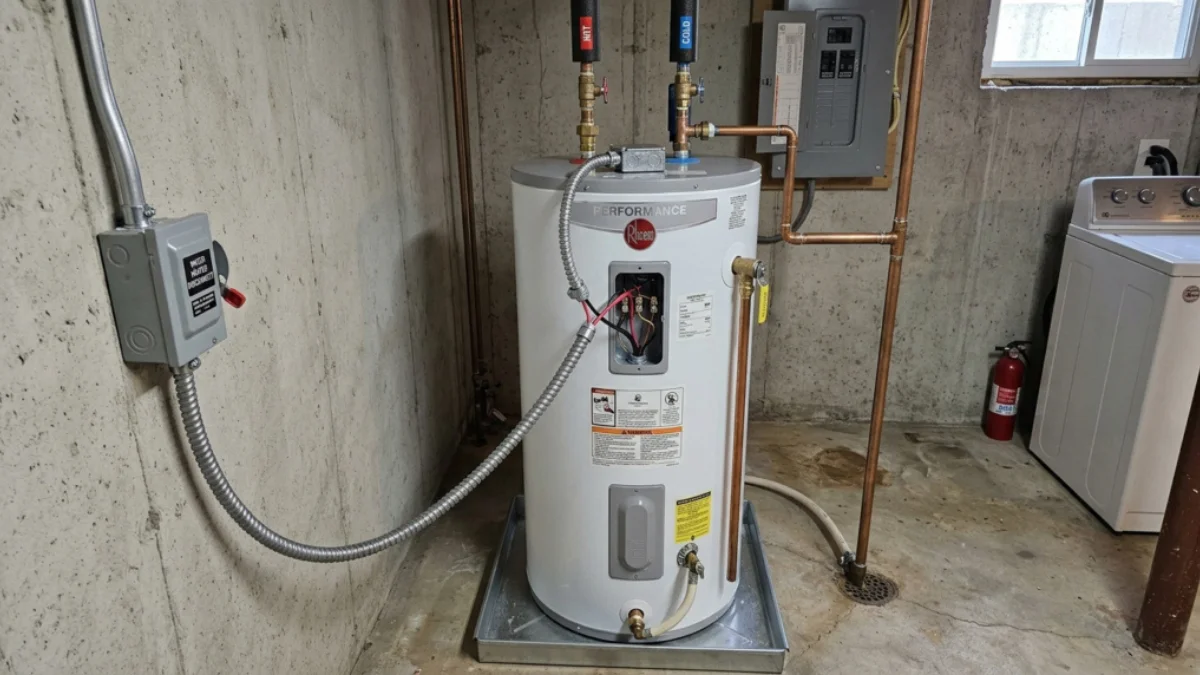
An electric water heater is one of the most valuable appliances in any modern home, providing a dependable supply of hot water for bathing, washing dishes, laundry, and everyday cleaning. Whether you live in a small flat or a large family house, choosing the right system can improve comfort while helping to reduce energy consumption. Modern electric water heaters are available in a variety of sizes and styles, making it easier than ever to find a solution that suits your household’s needs and budget.
This Electric Water Heater Guide is designed to help homeowners understand how these systems work, what features to look for, and how to keep them operating efficiently for many years. From selecting the right model to maintaining it correctly, every decision plays an important role in performance and running costs. By following the advice in this guide, you can make a well-informed choice and enjoy reliable hot water throughout the year.
What Is an Electric Water Heater?
An electric water heater is a household appliance that heats water using electric heating elements rather than gas. These heating elements are controlled by thermostats that monitor water temperature and automatically switch the system on or off as required. Depending on the model, the unit either stores heated water in an insulated tank or heats it instantly whenever a hot tap is turned on. Both options provide reliable access to hot water while offering different advantages for various property types.
Understanding how the system works is the foundation of this Electric Water Heater Guide because it allows homeowners to make smarter purchasing decisions. Every electric water heater contains several important components, including heating elements, insulation, thermostats, pressure relief valves, and protective safety mechanisms. These parts work together to maintain a consistent water temperature while improving efficiency and ensuring safe operation in everyday use.
Types of Electric Water Heaters
Electric water heaters are available in several different designs, each offering unique benefits depending on your household requirements. Storage tank water heaters remain one of the most common choices because they keep a reserve of hot water ready for immediate use. These systems are ideal for larger families that regularly use multiple taps or appliances at the same time. Their dependable performance makes them a popular option throughout the UK.
Tankless or instant electric water heaters have become increasingly popular because they heat water only when it is required, reducing unnecessary energy consumption. Point-of-use models are another practical solution for kitchens, utility rooms, and small bathrooms where immediate hot water is needed. This Electric Water Heater Guide recommends carefully comparing each type before purchasing, considering your household size, available space, water usage, and long-term energy costs.
How to Choose the Best Electric Water Heater
Choosing the right electric water heater begins with understanding your family’s daily hot water requirements. A household with one or two occupants usually requires a much smaller system than a property occupied by a larger family. Purchasing a unit that is too small may result in frequent shortages of hot water, while an oversized system could increase electricity bills unnecessarily. Selecting the correct capacity ensures both comfort and efficiency.
Energy efficiency should be another major consideration when comparing different models. Many modern units feature advanced insulation, digital thermostats, programmable controls, and energy-saving technology that reduce operating costs over time. This Electric Water Heater Guide also recommends comparing warranty coverage, product reliability, customer reviews, and after-sales support before making a final decision, ensuring you receive excellent value for your investment.
Electric Water Heater Installation Guide
Installing an electric water heater correctly is essential for both safety and long-term performance. The appliance should be positioned where plumbing and electrical connections are easily accessible while allowing sufficient space for future servicing and maintenance. The installation area should remain dry, stable, and properly ventilated where required, helping to protect the appliance and maximise its lifespan. Careful planning before installation can prevent expensive problems later.
Although some experienced homeowners may feel confident completing basic plumbing work, electrical installation should always comply with current UK regulations. Hiring a qualified electrician or plumber helps ensure the appliance is installed safely and performs efficiently from the first day of operation. Throughout this Electric Water Heater Guide, professional installation is strongly recommended because it protects your warranty, improves system reliability, and reduces the likelihood of future faults.
Electric Water Heater Maintenance Guide

Routine maintenance is one of the simplest ways to keep an electric water heater operating efficiently while extending its service life. Over time, minerals and sediment naturally build up inside the storage tank, reducing heating performance and increasing electricity consumption. Flushing the tank at least once each year removes these deposits, allowing the heating elements to operate more effectively and helping to lower long-term energy costs.
Regular inspections should also include checking the thermostat, pressure relief valve, heating elements, and anode rod for signs of wear or damage. Replacing worn components before they fail can prevent expensive repairs and reduce the risk of unexpected breakdowns. This Electric Water Heater Guide highlights that consistent maintenance not only improves efficiency but also helps ensure your household enjoys a reliable supply of hot water every day.
Common Electric Water Heater Problems and Solutions
Even the highest-quality electric water heaters can develop problems after years of regular use. One of the most common issues is a lack of hot water, which is often caused by a faulty heating element, a malfunctioning thermostat, or a tripped reset switch. Other homeowners may notice rusty water, unusual noises, water leaks, or inconsistent temperatures. Recognising these warning signs early can prevent more serious damage and costly repairs.
Fortunately, many common problems can be prevented through regular inspections and routine maintenance. Checking the thermostat settings, replacing worn heating elements, and flushing the tank annually all help maintain reliable performance. This Electric Water Heater Guide recommends contacting a qualified technician if electrical components require repair, as professional servicing ensures the appliance continues operating safely and efficiently.
Electric Water Heater Running Costs
The running cost of an electric water heater depends on several important factors, including the size of the unit, the amount of hot water your household uses, electricity tariffs, and the efficiency of the appliance. Larger tanks generally consume more electricity because they store a greater volume of heated water, while poorly insulated models may lose heat more quickly and require frequent reheating throughout the day.
Reducing operating costs is easier than many homeowners realise. Lowering the thermostat to an appropriate temperature, insulating exposed hot water pipes, fixing leaking taps, and choosing an energy-efficient model can significantly reduce monthly electricity bills. Following the advice in this Electric Water Heater Guide allows homeowners to enjoy reliable hot water while keeping long-term energy expenses under control.
Electric Water Heater Safety Tips
Safety should always be a priority when installing and using any electric water heater. Setting the thermostat to a safe temperature helps reduce the risk of scalding while preventing unnecessary electricity consumption. Homeowners should also inspect the pressure relief valve regularly and check around the appliance for signs of leaks, corrosion, or moisture that may indicate developing problems requiring immediate attention.
Electrical safety is equally important because water and electricity must always be managed carefully. Never attempt complex electrical repairs unless you are properly qualified, and always arrange professional servicing if faults develop. This Electric Water Heater Guide encourages regular inspections because they help identify small issues before they become significant safety risks, protecting both your home and your family.
Electric Water Heater Lifespan and Replacement
Most electric water heaters provide reliable performance for approximately ten to fifteen years, although their lifespan depends largely on maintenance, water quality, and frequency of use. Regular tank flushing, replacing worn anode rods, and servicing heating elements all contribute to longer system life while maintaining consistent heating performance. Preventive maintenance is often far less expensive than replacing a neglected appliance prematurely.
Eventually, every water heater reaches the point where replacement becomes the most cost-effective solution. Frequent repairs, increasing energy bills, rusty water, or visible corrosion around the tank often indicate that the unit is nearing the end of its service life. This Electric Water Heater Guide recommends upgrading to a modern energy-efficient model that offers improved insulation, smart controls, and lower running costs for better long-term value.
Electric Water Heater Buying Guide
Purchasing a new electric water heater involves more than simply choosing the cheapest model available. Homeowners should compare tank capacity, energy efficiency, warranty coverage, build quality, and available features before making a final decision. Investing in a well-designed appliance often provides better reliability, lower maintenance requirements, and improved energy savings over many years of daily use.
It is also worthwhile to consider future household needs when selecting a water heater. Families that expect their hot water demand to increase should choose a model with slightly greater capacity to avoid future shortages. This Electric Water Heater Guide encourages buyers to compare trusted brands, read customer reviews, and seek professional advice when necessary to ensure the chosen system meets both present and future requirements.
Electric Water Heater vs Gas Water Heater
Electric and gas water heaters each offer distinct advantages, making the best choice dependent upon your property and household requirements. Electric models are generally easier to install because they do not require a gas connection or flue system, making them particularly suitable for flats, apartments, and homes without access to natural gas. They also require less routine maintenance and are often quieter during operation.
Gas water heaters may heat water more quickly and can be economical in areas where gas prices are lower than electricity costs. However, they usually involve more complex installation and regular safety inspections. This Electric Water Heater Guide recommends carefully comparing installation costs, energy efficiency, maintenance requirements, and long-term running expenses before deciding which type offers the greatest value for your home.
Conclusion
Choosing the right water heating system is an important investment that affects your home’s comfort, energy efficiency, and monthly utility bills. Understanding the different types of electric water heaters, selecting the correct size, arranging professional installation, and carrying out regular maintenance all contribute to dependable performance for many years. A carefully chosen appliance will provide consistent hot water while helping to reduce unnecessary energy consumption.
This Electric Water Heater Guide has explored everything from selecting the ideal system to maintaining it for maximum efficiency and solving common problems. By applying these practical recommendations, homeowners can extend the lifespan of their appliance, improve safety, reduce operating costs, and enjoy reliable hot water every day. Investing in quality equipment and following a regular maintenance schedule will ensure excellent long-term performance.
Frequently Asked Questions
What is an electric water heater?
An electric water heater uses electricity to heat water for household use.
How do I choose the right electric water heater?
Choose a model based on your household size, hot water demand, and energy efficiency.
How much does an electric water heater cost to run in the UK?
Running costs depend on electricity prices, usage, and the heater’s efficiency.
How often should an electric water heater be serviced?
It should be professionally serviced at least once a year.
Can I install an electric water heater myself?
Professional installation is recommended for safety and UK compliance.
Why is my electric water heater not producing enough hot water?
This is usually caused by a faulty heating element, thermostat, or sediment build-up.
How long does an electric water heater usually last?
A well-maintained electric water heater typically lasts 10–15 years.
Is an electric water heater better than a gas water heater?
Electric water heaters are easier to install and maintain, while gas models may heat water faster.