
Deep Cleaning Checklist Guide: Room-by-Room Steps
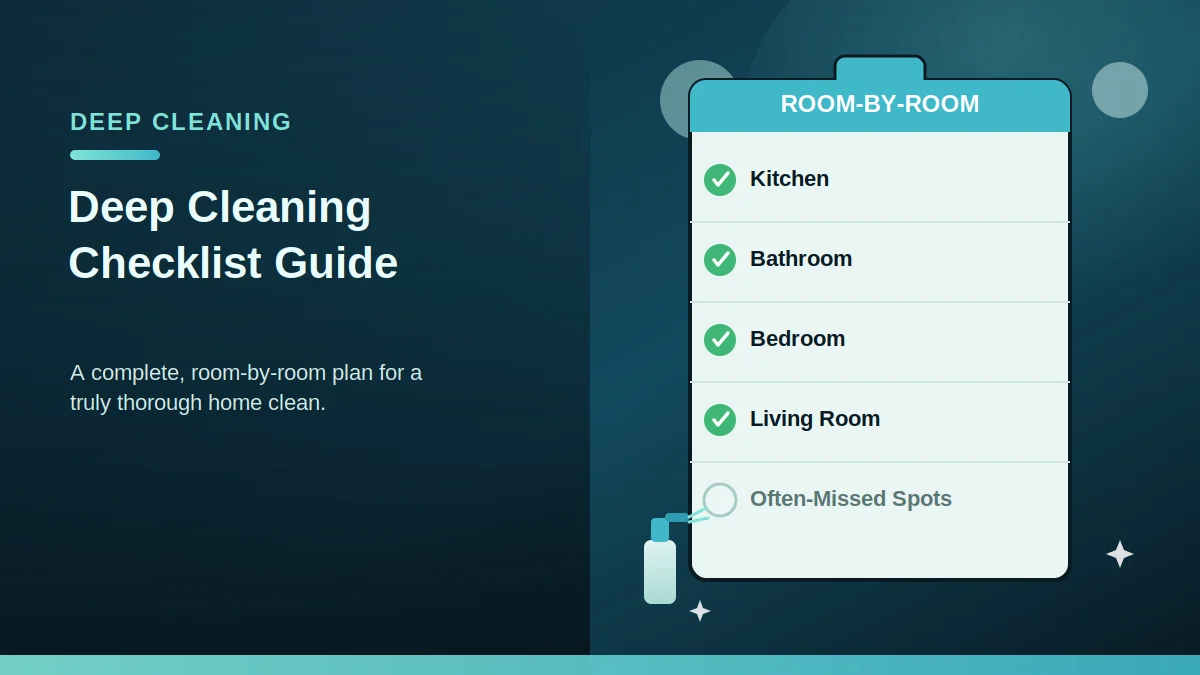
A Deep Cleaning Checklist Guide is an effective way to organise your home cleaning tasks and achieve a deeper level of cleanliness than a standard daily routine. While regular cleaning focuses on maintaining visible areas, deep cleaning targets hidden dirt, stubborn stains, dust build-up and neglected spaces that are often missed. A well-planned checklist allows homeowners to clean systematically, save valuable time and create a healthier living environment for everyone.
Following a room-by-room cleaning approach makes deep cleaning much easier and more manageable. Instead of trying to complete every task at once, a structured plan helps divide the work into smaller sections. From kitchens and bathrooms to bedrooms and living areas, each space receives the attention it deserves. With the right methods, tools and preparation, deep cleaning can become a simple process that keeps your home fresh and comfortable throughout the year.
What Is a Deep Cleaning Checklist Guide and Why Is It Important?
A Deep Cleaning Checklist Guide is a detailed cleaning plan that covers essential tasks required to refresh and maintain every part of your home. It includes cleaning areas that are not always included in everyday routines, such as inside cupboards, behind furniture, under appliances and around fixtures. This type of checklist provides a clear structure, helping homeowners stay organised and avoid missing important cleaning responsibilities.
Deep cleaning is important because dirt, bacteria and allergens can gradually build up in areas that are rarely cleaned. A proper checklist ensures that your home receives a complete clean rather than just a surface-level refresh. Whether you are preparing for guests, completing seasonal maintenance or improving overall hygiene, following a detailed cleaning guide can make the process more efficient and produce better results.
Preparing Your Home Before Starting a Deep Clean
Before beginning a deep cleaning project, proper preparation can make the entire process smoother and more effective. Start by removing unnecessary clutter from each room, as clear surfaces allow you to clean more thoroughly. Gather all essential supplies, including microfibre cloths, vacuum cleaners, mops, brushes, gloves and suitable cleaning products. Having everything ready prevents interruptions and helps you complete tasks faster.
Creating a realistic cleaning schedule is another important step when preparing for a deep clean. Many homeowners make the mistake of trying to complete everything in one day, which can become overwhelming. Breaking tasks into sections allows you to focus on quality results. Cleaning from top to bottom and working room by room are professional techniques that help prevent dust from spreading onto already cleaned areas.
Kitchen Deep Cleaning Checklist for a Fresh and Hygienic Space
The kitchen is one of the most important areas to include in any deep cleaning routine because it is used daily for food preparation and family activities. A complete kitchen clean should include wiping cabinets, cleaning drawers, removing grease from surfaces and sanitising worktops. Appliances such as ovens, microwaves, refrigerators and dishwashers should also receive detailed attention to remove built-up dirt and unwanted odours.
A thorough kitchen deep clean should also include smaller tasks that are often forgotten. Cleaning splashbacks, descaling taps, washing bins and cleaning behind appliances can improve overall hygiene. Floors should be vacuumed and mopped carefully, while storage areas should be organised to create a more functional space. Using a Deep Cleaning Checklist Guide helps ensure that every important kitchen cleaning task is completed properly.
Bathroom Deep Cleaning Checklist for a Cleaner Environment
Bathrooms require regular deep cleaning because moisture, soap residue and mineral deposits can quickly create hygiene problems. A detailed bathroom cleaning routine should include disinfecting toilets, scrubbing showers, cleaning baths, removing limescale and washing tiles. Mirrors, taps and glass surfaces should also be polished to maintain a bright and fresh appearance.
Paying attention to hidden bathroom areas can make a significant difference in cleanliness. Grout lines, shower corners, cabinet interiors and behind fixtures often collect dirt over time. Using suitable cleaning products and following a planned checklist makes these tasks easier to manage. A well-organised bathroom deep clean improves comfort, reduces bacteria and creates a more pleasant space for daily use.
Bedroom Deep Cleaning Checklist for a Comfortable Living Space

Bedrooms should be included in every deep cleaning routine because they are essential areas for relaxation and rest. A complete bedroom clean involves washing bedding, vacuuming mattresses, dusting furniture and organising wardrobes. Areas under beds, behind cabinets and around windows should also be cleaned because they commonly collect dust and allergens over time.
Maintaining a clean bedroom can improve the overall comfort of your home. Washing curtains, cleaning blinds and refreshing soft furnishings can help create a healthier indoor environment. A structured checklist ensures that small but important tasks are not ignored. With regular deep cleaning, bedrooms can remain organised, fresh and welcoming throughout the year.
Living Room Deep Cleaning Checklist for a Fresh Home Atmosphere
Living rooms are often the centre of family activities, meaning they collect dust, dirt and everyday clutter quickly. A deep cleaning routine should include dusting shelves, cleaning furniture, vacuuming carpets, wiping electronics and refreshing decorative items. High-touch surfaces such as remote controls, light switches and door handles should also be cleaned regularly to improve hygiene.
Windows, curtains and upholstery should receive special attention during a deep clean because they can hold dust and odours. Moving furniture carefully allows you to clean hidden areas that are normally overlooked. By following a Deep Cleaning Checklist Guide, homeowners can create a cleaner and more inviting living space where family members and guests feel comfortable.
Forgotten Areas That Should Be Included in Deep Cleaning
Many cleaning routines focus only on visible surfaces, but hidden areas often require equal attention. Skirting boards, ceiling fans, light fixtures, air vents, window frames and spaces behind furniture can collect significant amounts of dust. Including these areas in your deep cleaning plan ensures a more complete result and helps maintain better indoor air quality.
Although these tasks may not need to be completed every week, they should be included in seasonal or occasional deep cleans. Regular attention to overlooked areas prevents dirt from becoming difficult to remove. A detailed checklist helps homeowners remember these important tasks and ensures that every corner of the property receives proper care.
Professional Tips for Making Deep Cleaning Easier
Professional cleaners often recommend using a planned approach rather than cleaning randomly. Starting with the highest surfaces and moving downwards helps reduce repeated work. Using the correct cleaning products for different materials also protects surfaces and improves results. Keeping supplies organised in one place can save time and make the cleaning process more convenient.
Another useful tip is to create realistic goals and avoid rushing through important tasks. Deep cleaning requires attention to detail, so focusing on one room at a time usually provides better results. A consistent routine supported by a Deep Cleaning Checklist Guide can make future cleaning sessions easier and help maintain a healthier home environment.
How Often Should You Follow a Deep Cleaning Checklist Guide?
The frequency of deep cleaning depends on factors such as property size, lifestyle, number of residents and daily activities. Many homes benefit from a detailed deep clean every few months, while households with children, pets or allergies may require more frequent cleaning. Regular maintenance between deep cleans can also reduce the amount of work needed during larger cleaning sessions.
Seasonal deep cleaning is a popular choice because it allows homeowners to refresh their properties throughout the year. Combining everyday cleaning habits with occasional deep cleaning creates a balanced approach. A flexible checklist allows you to adjust tasks according to your home’s needs while ensuring important areas are never forgotten.
Conclusion
A Deep Cleaning Checklist Guide provides homeowners with a simple and organised way to achieve a cleaner, healthier and more comfortable home. By following a room-by-room approach, you can manage cleaning tasks efficiently and focus on areas that require extra attention. From kitchens and bathrooms to bedrooms and living spaces, a detailed plan ensures better results without unnecessary stress.
Deep cleaning becomes much easier when you have the right preparation, tools and routine. A structured checklist helps transform a large cleaning project into manageable steps while improving the overall appearance and hygiene of your property. By following these methods regularly, you can maintain a fresh home environment that feels welcoming throughout every season.
Frequently Asked Questions
What is included in a Deep Cleaning Checklist Guide?
A Deep Cleaning Checklist Guide includes detailed tasks for kitchens, bathrooms, bedrooms, living areas and hidden spaces.
How often should you deep clean your home?
Most homes benefit from a deep clean every few months depending on lifestyle and household needs.
What is the difference between regular cleaning and deep cleaning?
Regular cleaning maintains daily cleanliness, while deep cleaning removes hidden dirt and stubborn build-up.
What cleaning products are needed for deep cleaning?
Common supplies include disinfectants, microfibre cloths, brushes, vacuum cleaners and suitable surface cleaners.
How long does a full home deep clean take?
The time depends on property size, number of rooms and the amount of cleaning required.
Can a checklist make deep cleaning easier?
Yes, a checklist keeps tasks organised and helps prevent important areas from being missed.
Which areas are commonly forgotten during deep cleaning?
Skirting boards, vents, light fixtures and spaces behind furniture are often overlooked.
Should kitchens and bathrooms be deep cleaned more frequently?
Yes, these areas usually require more frequent cleaning because they experience heavy daily use.