
Complete Home Automation Guide: Smart Home Setup
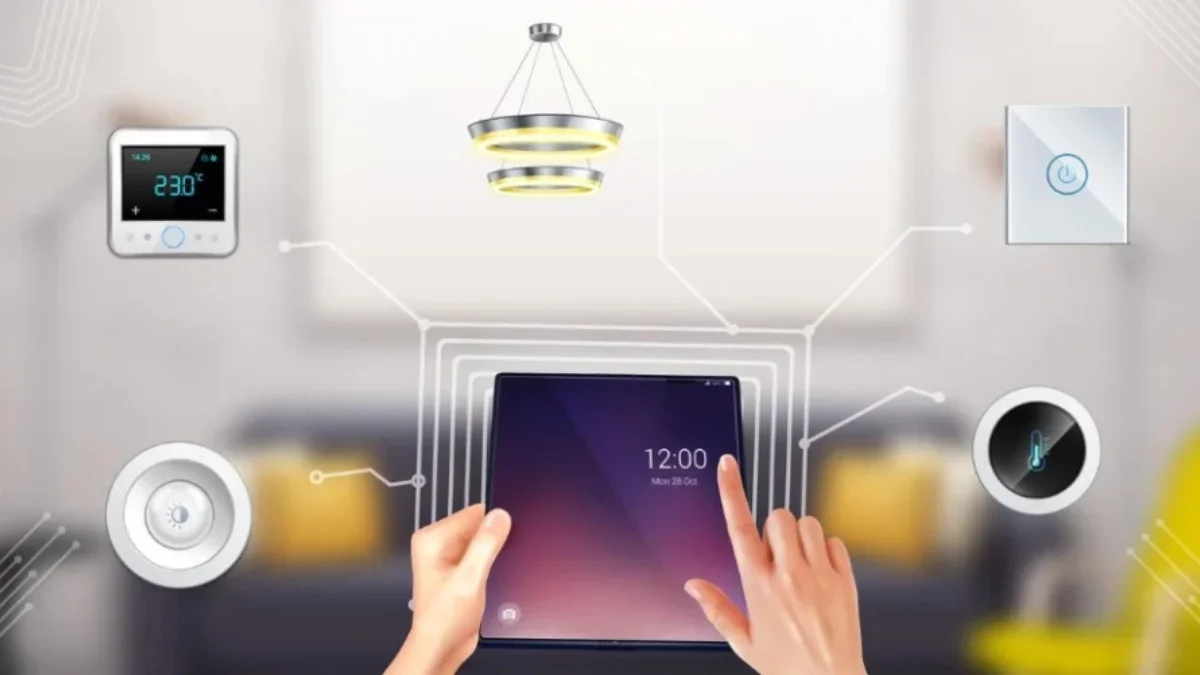
Home automation is transforming the way people interact with their homes, making everyday tasks simpler, safer, and more efficient. Whether you want to control your lighting from your smartphone, monitor your property remotely, or automate your heating system, smart technology offers countless possibilities. This Complete Home Automation Guide is designed to help beginners and homeowners understand how automation works and how to build a reliable smart home with confidence.
A well-planned smart home is about more than adding connected gadgets. It involves choosing compatible devices, selecting the right platform, and creating practical routines that improve daily life. Throughout this Complete Home Automation Guide, you will learn about smart home systems, communication protocols, essential devices, security, energy efficiency, and future trends. By understanding these key areas, you can create a connected home that is convenient, secure, and built to grow with your needs.
What Is Home Automation?
Home automation refers to the process of connecting household devices through the internet or a dedicated communication network so they can work together automatically. These devices can be controlled using a smartphone, tablet, voice assistant, or central hub. Instead of manually operating lights, thermostats, locks, or appliances, users can schedule actions or control them remotely with just a few taps or voice commands.
A Complete Home Automation Guide explains that automation is not limited to luxury homes. Today, affordable smart devices allow homeowners to improve comfort, security, and efficiency without major renovations. By combining sensors, automation routines, and compatible devices, an ordinary house can become an intelligent living space that responds to your habits while reducing unnecessary effort.
Benefits of a Smart Home Automation System
One of the greatest advantages of home automation is convenience. Imagine arriving home after work to lights that switch on automatically, your preferred room temperature already set, and your favourite music playing in the background. These simple automations save time and remove repetitive tasks, allowing homeowners to enjoy a more comfortable and personalised living environment every day.
Smart home automation also improves security and reduces energy consumption. Connected cameras, motion sensors, smart locks, and video doorbells provide real-time monitoring and instant notifications, giving homeowners greater peace of mind. At the same time, automated lighting and heating systems reduce unnecessary electricity usage, helping lower monthly utility bills while supporting a more environmentally friendly lifestyle.
Essential Smart Home Devices to Get Started
Choosing the right devices is the first step towards building a successful smart home. Smart lighting systems are often the easiest place to begin because they offer simple installation and immediate convenience. Smart plugs, intelligent speakers, smart thermostats, and Wi-Fi-enabled appliances also provide practical automation without requiring significant technical knowledge or expensive installation costs.
Security devices are equally important for many homeowners. Smart doorbells, surveillance cameras, motion detectors, and connected locks improve home protection while allowing remote access through mobile applications. A Complete Home Automation Guide recommends purchasing devices from trusted brands that support widely accepted standards, ensuring future compatibility as your smart home continues to expand.
Choosing the Right Home Automation Platform
Selecting the correct automation platform is essential because it becomes the central control system for every connected device. Popular platforms such as Google Home, Amazon Alexa, Apple Home, Samsung SmartThings, and Home Assistant each provide different features and compatibility options. Your choice should depend on your existing devices, preferred voice assistant, technical experience, and future expansion plans.
Compatibility should always be considered before purchasing smart devices. Many modern products now support Matter, an industry standard designed to improve communication between devices from different manufacturers. Choosing compatible equipment reduces setup problems and creates a more reliable automation system that remains flexible as new technologies continue to emerge within the smart home industry.
Understanding Smart Home Connectivity

Every smart home depends on communication between connected devices, making network technology an important consideration. Wi-Fi remains the most common option because it offers simple installation and supports many household products. Bluetooth works well for short-range communication, while Zigbee and Z-Wave create dependable mesh networks that improve reliability across larger properties without placing excessive demand on your wireless router.
Newer technologies such as Thread and Matter are changing how smart devices interact with one another. These standards improve compatibility, reduce reliance on cloud-based services, and create faster communication between products. Understanding these communication methods allows homeowners to make informed purchasing decisions while ensuring their automation system remains reliable, secure, and ready for future upgrades.
How to Set Up Your Smart Home
Successful home automation begins with careful planning rather than purchasing every available smart device. Start by identifying your priorities, such as improving home security, reducing energy consumption, or increasing convenience. Choosing a small number of compatible products allows you to understand how automation works before gradually expanding your connected home with additional features and routines.
Once your devices have been installed, organise them into rooms using your chosen smart home platform. Create scenes that perform multiple actions simultaneously, such as turning off all lights before bedtime or activating security cameras when leaving home. This Complete Home Automation Guide encourages homeowners to build automation gradually, ensuring every feature provides genuine everyday value rather than unnecessary complexity.
Best Home Automation Ideas for Every Room
Each room within your property can benefit from different types of smart technology. Living rooms become more enjoyable with automated lighting, voice-controlled entertainment systems, and smart blinds. Kitchens benefit from connected appliances, while bedrooms offer improved comfort through automated lighting schedules, smart thermostats, and intelligent curtains that open naturally with the morning sunlight.
Bathrooms, home offices, garages, and gardens can also be transformed through practical automation. Motion-sensitive lighting improves convenience, outdoor cameras strengthen security, and automated irrigation systems simplify garden maintenance. By selecting appropriate technology for each area of your property, homeowners can enjoy a connected environment that supports both comfort and efficiency throughout the entire home.
Home Automation for Security and Safety
Modern home automation provides far more than convenience by offering advanced security features that help protect both your property and your family. Smart security cameras, video doorbells, motion detectors, and intelligent door locks work together to monitor activity around your home at all times. Many systems send instant alerts directly to your smartphone, allowing you to respond quickly even when you are away from home.
Safety automation also includes devices such as smoke alarms, carbon monoxide detectors, and water leak sensors that notify homeowners before small problems become major emergencies. Integrating these devices into your smart home creates a safer living environment while providing peace of mind. A Complete Home Automation Guide encourages homeowners to prioritise safety features alongside convenience when planning their automation system.
Saving Energy with Smart Home Automation
One of the most valuable advantages of a smart home is improved energy efficiency. Smart thermostats automatically adjust heating and cooling based on your daily routine, ensuring energy is only used when required. Automated lighting systems can switch off when rooms are empty, while smart plugs help reduce standby power consumption from everyday household appliances.
Energy monitoring devices also provide detailed information about electricity usage, helping homeowners identify opportunities to reduce waste and lower utility bills. Simple automation routines, such as scheduling appliances to operate during off-peak hours, can make a noticeable difference over time. Investing in energy-efficient smart technology benefits both your household budget and the environment.
Common Home Automation Mistakes to Avoid
Many beginners purchase smart devices without checking whether they are compatible with their chosen platform. This often results in products that cannot communicate effectively, limiting automation possibilities and creating unnecessary frustration. Before buying any equipment, always verify compatibility with your preferred ecosystem to ensure a smooth installation and reliable long-term performance.
Another common mistake is creating overly complicated automation routines from the beginning. Starting with simple schedules and gradually adding more advanced automations makes troubleshooting much easier. Regular software updates, strong passwords, and a secure home Wi-Fi network are equally important, helping maintain performance while protecting connected devices from potential cybersecurity risks.
Home Automation Costs and Budget Planning
The cost of home automation varies depending on the size of your property and the level of automation you require. Beginners can start with affordable smart bulbs, plugs, and speakers before gradually investing in more advanced products such as smart thermostats, security systems, and automated blinds. This gradual approach keeps costs manageable while allowing homeowners to learn how each device contributes to daily convenience.
Larger automation projects may involve professional installation, particularly when integrating lighting systems, heating controls, or whole-home automation platforms. Although these installations require a greater initial investment, they often deliver long-term value through improved energy efficiency, enhanced security, and increased property appeal. Careful planning ensures your budget is spent on features that provide the greatest practical benefit.
Smart Home Privacy and Cybersecurity Tips
Protecting your personal information is essential when using internet-connected devices. Every smart home should have a secure wireless network with a strong password, while two-factor authentication should be enabled wherever possible. Regular software and firmware updates help protect devices from newly discovered vulnerabilities and ensure they continue to perform reliably over time.
Choosing products from trusted manufacturers is another important consideration. Reputable brands provide ongoing security updates and transparent privacy policies, reducing the risk of data breaches. Homeowners should also review device permissions and disable features they do not need. Taking these simple precautions helps create a smart home that is both convenient and secure.
Future Trends in Home Automation
The future of home automation is becoming increasingly intelligent thanks to advances in artificial intelligence and machine learning. Smart systems are learning to recognise user habits, predict routines, and automatically adjust lighting, heating, and security without requiring manual input. These developments will continue making smart homes more responsive, efficient, and personalised for every household.
Industry-wide standards such as Matter are also improving compatibility between different manufacturers, making it easier to mix and match devices from multiple brands. Future innovations are expected to include more energy-efficient appliances, enhanced voice recognition, predictive maintenance, and greater integration with renewable energy systems. As technology evolves, smart homes will become even more accessible and practical for everyday living.
Conclusion
This Complete Home Automation Guide has explored the essential aspects of building a modern smart home, from understanding automation technology to selecting compatible devices and creating useful routines. Whether your goal is greater convenience, stronger security, improved comfort, or reduced energy consumption, home automation offers practical solutions that enhance daily life while preparing your property for future technological advancements.
Building a smart home does not require purchasing every available gadget at once. Start with reliable, compatible devices that address your immediate needs and gradually expand your system over time. By following the advice in this Complete Home Automation Guide, you can confidently create a connected, efficient, and secure home that delivers lasting value for you and your family.
Frequently Asked Questions
What is home automation?
Home automation connects smart devices for remote control and automatic operation.
Which smart home platform is best for beginners?
Google Home and Amazon Alexa are the easiest platforms for beginners.
Do I need a smart home hub?
No, many smart devices work without a dedicated hub.
Can home automation reduce energy bills?
Yes, smart automation helps lower energy consumption and utility costs.
Are smart home devices secure?
Yes, they are secure when properly updated and protected with strong passwords.
Can devices from different brands work together?
Yes, many devices work together through the Matter standard or compatible platforms.
What are the best smart devices to buy first?
Smart bulbs, plugs, speakers, and thermostats are ideal for beginners.
Is professional installation necessary?
No, most basic smart home devices are simple enough to install yourself.