
Average Bathroom Renovation Cost: Complete UK Price Guide for 2026
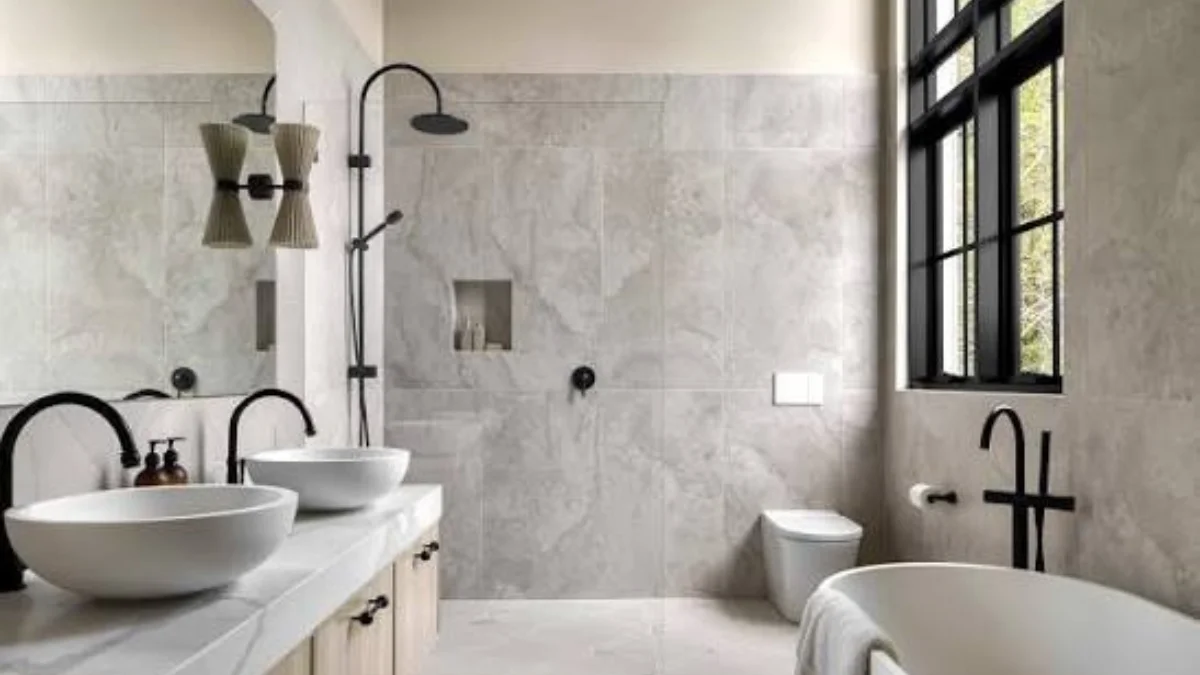
The Average Bathroom Renovation Cost is one of the most important considerations for homeowners planning to upgrade their property. Whether you want to modernise an outdated bathroom, improve functionality, or increase your home’s value, understanding the likely costs allows you to budget with confidence. Every renovation project is different, and the total expense depends on several factors including bathroom size, labour rates, material quality, and the complexity of the work involved.
A well-planned renovation can transform your bathroom into a comfortable, stylish, and practical space that serves your family for many years. In this guide, you will discover the Average Bathroom Renovation Cost in the UK, what influences the overall price, typical labour and material expenses, and practical ways to save money without compromising on quality. By the end of this article, you will have a clear understanding of what to expect before starting your bathroom renovation.
Average Bathroom Renovation Cost in the UK
The Average Bathroom Renovation Cost in the UK generally ranges from £4,500 to £11,000 for a standard family bathroom. Smaller bathrooms requiring only cosmetic improvements may cost around £2,500 to £4,500, while luxury renovations with premium fittings, bespoke furniture, underfloor heating, and structural alterations can exceed £15,000. Every project is unique, so obtaining several quotations from experienced bathroom installers is always recommended before making a final decision.
Budget renovations usually focus on replacing essential fixtures such as the toilet, basin, bath, and taps while keeping the existing plumbing layout unchanged. Mid-range projects often include new wall tiles, flooring, improved lighting, vanity units, and upgraded storage. High-end renovations involve designer sanitary ware, custom-built furniture, premium stone surfaces, digital showers, and sophisticated lighting systems, all of which significantly increase the Average Bathroom Renovation Cost.
Bathroom Renovation Cost Breakdown
Understanding where your money is spent makes it much easier to plan an effective renovation budget. Labour generally accounts for a significant proportion of the overall project cost, often representing almost half of the total investment. Bathroom fitters, plumbers, electricians, tilers, plasterers, decorators, and waste removal services all contribute to the final price depending on the complexity of the renovation and the amount of work required.
Material costs also play a major role in determining the final budget. Standard bathroom suites provide excellent value, while luxury baths, rainfall showers, premium taps, natural stone tiles, bespoke vanity units, and designer accessories naturally increase costs. Additional items such as mirrors, heated towel rails, waterproofing systems, ventilation upgrades, flooring, lighting, and storage furniture should all be included when calculating the complete Average Bathroom Renovation Cost.
Factors That Affect Average Bathroom Renovation Cost
Several important factors influence the Average Bathroom Renovation Cost, beginning with the overall size of the room. Larger bathrooms require more wall and floor coverings, additional plumbing, more fixtures, and greater quantities of building materials. Even relatively small increases in floor area can have a noticeable impact on labour hours and material requirements, making larger bathrooms significantly more expensive to renovate.
Another major consideration is the extent of the renovation itself. Simply replacing existing fixtures without moving plumbing connections is usually far more affordable than changing the room layout. Relocating toilets, baths, showers, or pipework increases labour costs considerably. Likewise, choosing premium materials, installing underfloor heating, upgrading electrics, or repairing hidden water damage will all contribute to a higher overall renovation budget.
Average Bathroom Renovation Costs by UK Region
Bathroom renovation prices vary considerably across different parts of the United Kingdom. Homeowners in London and the South East often pay the highest labour rates due to greater demand, increased living costs, and higher contractor charges. While material prices remain relatively consistent nationwide, installation costs can differ substantially depending on your location and the availability of experienced tradespeople.
Elsewhere in the UK, including the Midlands, Northern England, Scotland, Wales, and Northern Ireland, labour costs are generally more affordable. This means homeowners outside major cities may achieve excellent quality renovations at a lower overall price. Comparing multiple quotations from local installers remains one of the best ways to secure competitive pricing while ensuring professional workmanship and reliable customer service.
Bathroom Renovation Costs by Project Type

Not every renovation involves a complete bathroom replacement. A cosmetic refresh is often the most affordable option and may include repainting walls, replacing taps, updating lighting, fitting a new mirror, installing modern accessories, and refreshing sealant around existing sanitary ware. These improvements enhance appearance without requiring major plumbing or structural work, making them ideal for homeowners working with smaller budgets.
A complete bathroom renovation involves replacing nearly every element within the room. This may include installing a new bath or walk-in shower, replacing the toilet and basin, fitting new tiles, upgrading plumbing and electrics, improving ventilation, and adding contemporary storage solutions. While these projects require a larger investment, they provide a completely transformed bathroom that improves comfort, efficiency, and long-term property value.
How to Budget for a Bathroom Renovation
Creating a detailed renovation budget before work begins is one of the smartest decisions any homeowner can make. Start by identifying which improvements are essential and which upgrades are optional. Research current material prices, request detailed quotations from several contractors, and compare what each quote includes. This preparation helps prevent unexpected surprises and ensures you understand exactly where your renovation budget will be allocated.
It is equally important to include a contingency fund within your overall budget. Unexpected problems such as damaged flooring, hidden leaks, outdated plumbing, mould, or electrical issues can arise once renovation work begins. Setting aside around ten to fifteen per cent of your planned budget provides financial flexibility and allows the project to continue smoothly without sacrificing quality or delaying completion.
Ways to Reduce Bathroom Renovation Costs
Reducing renovation costs does not mean sacrificing quality or style. One of the most effective ways to save money is by keeping the existing bathroom layout. Leaving the toilet, basin, bath, and shower in their current positions avoids expensive plumbing alterations and reduces labour time. This simple decision can make a noticeable difference to the overall Average Bathroom Renovation Cost while still allowing your bathroom to feel completely refreshed.
Choosing durable mid-range materials instead of luxury designer products is another smart way to stay within budget. Buying complete bathroom suites, shopping during seasonal sales, and comparing prices from multiple suppliers can lead to substantial savings. You can also complete straightforward decorating tasks, such as painting walls or fitting accessories, to reduce labour costs without compromising the finished appearance.
Bathroom Renovation Mistakes That Increase Costs
Many homeowners begin renovation projects without creating a detailed plan, which often leads to unnecessary spending. Changing the design halfway through installation usually results in additional labour charges, wasted materials, and project delays. Taking time to finalise your layout, fixtures, finishes, and colour scheme before work begins helps avoid expensive alterations later in the project.
Another common mistake is selecting the cheapest available materials without considering durability and long-term performance. Low-quality fittings may require repairs or replacement much sooner than premium alternatives, increasing future maintenance costs. Hiring experienced and qualified tradespeople also reduces the likelihood of costly installation errors that could require further work after the renovation has been completed.
Is a Bathroom Renovation Worth the Cost?
A professionally renovated bathroom offers benefits that extend well beyond improved appearance. Modern bathrooms provide greater comfort, better storage, enhanced lighting, improved ventilation, and more efficient water usage. These practical improvements create a more enjoyable daily experience while helping homeowners reduce maintenance and energy costs over time.
A high-quality bathroom renovation can also increase the value of your property and improve its appeal to prospective buyers. Modern bathrooms are among the most desirable features for people purchasing a home, making renovation a worthwhile investment. Although the initial expense may seem significant, the long-term advantages often justify the overall Average Bathroom Renovation Cost.
How to Choose the Right Bathroom Installer
Selecting the right installer is essential for achieving a successful renovation. Always obtain written quotations from several contractors and compare what is included within each estimate. Look for experienced bathroom specialists with positive customer reviews, suitable qualifications, and appropriate insurance. Asking to view previous projects can also provide reassurance about the quality of their workmanship.
Clear communication throughout the project is equally important. A reliable installer should explain the work schedule, discuss possible challenges, and provide transparent pricing before any work begins. Choosing a trustworthy professional helps reduce stress, ensures the project remains on schedule, and increases the likelihood of achieving a bathroom that meets your expectations.
Conclusion
Understanding the Average Bathroom Renovation Cost allows homeowners to plan their projects with greater confidence and avoid unnecessary financial surprises. Costs vary depending on bathroom size, material quality, labour charges, regional pricing, and the scope of the renovation. Careful planning, realistic budgeting, and comparing quotations from reputable installers all contribute to achieving the best possible value for your investment.
Whether you are carrying out a simple bathroom refresh or planning a complete luxury renovation, investing in quality workmanship and durable materials will provide long-lasting results. By understanding every factor that influences the Average Bathroom Renovation Cost, you can make informed decisions that create a stylish, practical, and valuable bathroom for years to come.
Frequently Asked Questions
What is the Average Bathroom Renovation Cost in the UK?
The average bathroom renovation cost in the UK is typically between £4,500 and £11,000.
How much does a small bathroom renovation cost?
A small bathroom renovation usually costs between £2,500 and £6,000.
What affects the Average Bathroom Renovation Cost the most?
Bathroom size, labour, materials, and plumbing changes have the biggest impact on costs.
How long does a bathroom renovation usually take?
Most bathroom renovations take one to three weeks to complete.
Is it cheaper to keep the existing bathroom layout?
Yes, keeping the existing layout reduces plumbing work and overall renovation costs.
Does a bathroom renovation increase property value?
Yes, a modern bathroom can improve your home’s value and buyer appeal.
How can I reduce my bathroom renovation costs?
Compare quotes, keep the layout unchanged, and choose cost-effective materials.
Should I hire a professional bathroom installer?
Yes, a qualified installer helps ensure a safe, high-quality, and compliant renovation.