
Complete Bathroom Cleaning Guide: Easy Steps for 2026
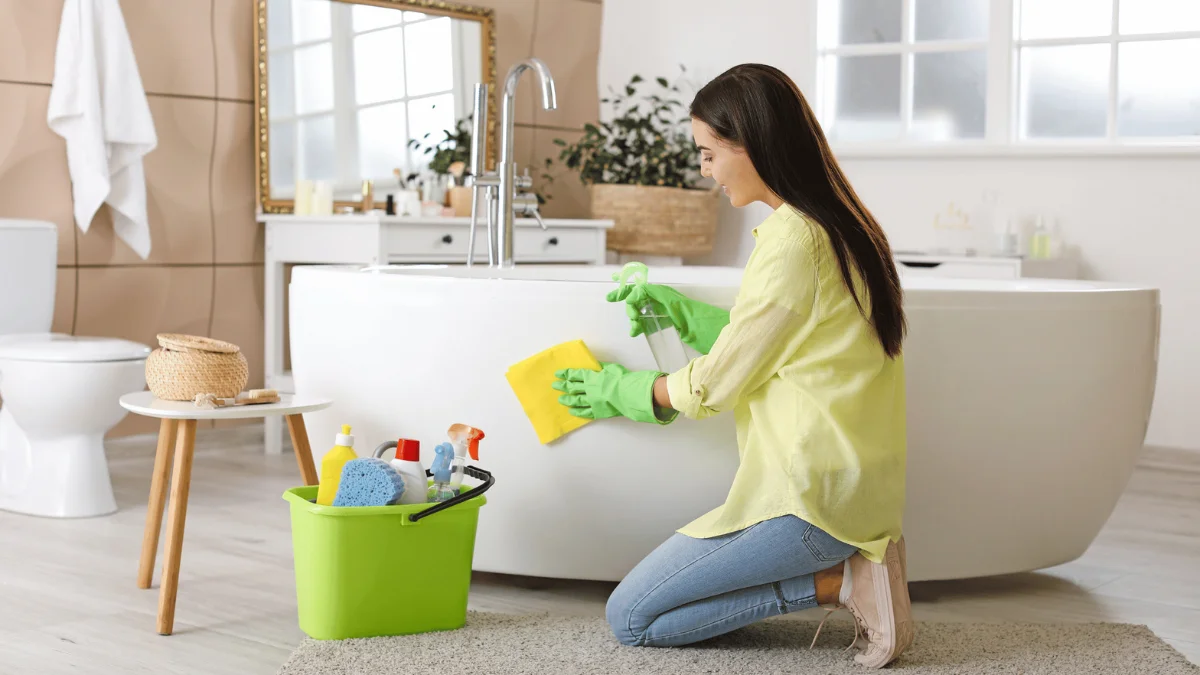
Keeping your bathroom clean is essential for maintaining a healthy, fresh and welcoming home. A clean bathroom not only improves hygiene but also creates a comfortable environment for everyone in the household. Following a proper cleaning routine helps prevent the build-up of bacteria, mould and unpleasant odours while protecting bathroom fixtures from long-term damage.
This Complete Bathroom Cleaning Guide explains everything you need to know about cleaning your bathroom efficiently. From choosing the right cleaning supplies to following a step-by-step routine, this guide provides practical advice that makes bathroom cleaning easier and more effective. Whether you are carrying out regular maintenance or a deep clean, these tips will help you achieve professional-looking results.
Why a Complete Bathroom Cleaning Guide Is Important
Bathrooms are exposed to moisture every day, making them one of the easiest places for germs, mould and mildew to develop. Without regular cleaning, soap scum, limescale and bacteria can quickly build up on sinks, showers, toilets and tiles. Maintaining a consistent cleaning schedule keeps these problems under control and helps create a healthier living environment.
Following a Complete Bathroom Cleaning Guide also protects your bathroom investment. Regular maintenance keeps taps shiny, tiles spotless and sanitary fittings in excellent condition. Instead of dealing with expensive repairs or permanent stains later, a proper cleaning routine ensures your bathroom stays attractive, hygienic and easy to maintain throughout the year.
Essential Supplies for Bathroom Cleaning
Using the correct cleaning products and equipment makes every cleaning task faster and far more effective. A quality bathroom cleaner, disinfectant spray, toilet cleaner, glass cleaner, grout brush, microfibre cloths, sponges and a mop should all be part of your cleaning kit. Protective gloves also help keep your hands safe from harsh cleaning chemicals.
Many homeowners also prefer eco-friendly alternatives such as white vinegar, bicarbonate of soda and lemon juice. These natural products work well on light stains, soap residue and unpleasant smells while reducing the use of strong chemicals. Combining modern cleaning products with natural solutions provides excellent results for everyday bathroom maintenance.
Preparing Your Bathroom Before Cleaning
Before starting, remove towels, bath mats, toiletries and any unnecessary items from surfaces. Clearing the room allows you to reach every corner easily and prevents cleaning products from damaging personal belongings. Opening a window or switching on the extractor fan also improves ventilation while cleaning products are being used.
Once everything has been removed, inspect the bathroom for stubborn stains, mould or heavy limescale. Applying cleaner to these problem areas before beginning the main cleaning routine allows the solution to loosen dirt while you work elsewhere. This simple preparation saves time and reduces the amount of scrubbing required later.
Complete Bathroom Cleaning Guide for Every Surface
The best cleaning method always starts from the highest surfaces and works downwards. Dust ceiling corners, light fittings, extractor fans and shelves before cleaning mirrors, cabinets and worktops. This approach prevents dust from falling onto areas that have already been cleaned, making the entire process more efficient.
Continue by cleaning the sink, taps, shower, bath and toilet using suitable cleaning products for each surface. Finish by sweeping, vacuuming and mopping the floor thoroughly. Following this Complete Bathroom Cleaning Guide ensures every part of the bathroom receives attention while reducing the risk of spreading dirt or bacteria between surfaces.
Cleaning Mirrors, Glass and Chrome Fixtures

Bathroom mirrors quickly collect fingerprints, toothpaste splashes and water spots, making the room appear untidy even when everything else is clean. Spray a quality glass cleaner onto a microfibre cloth rather than directly onto the mirror to reduce streaks. Wipe in smooth, even motions until the glass becomes crystal clear.
Chrome taps, shower fittings and towel rails also benefit from regular polishing. Removing water spots and limescale helps restore their shine while preventing corrosion over time. Drying chrome surfaces immediately after cleaning leaves a polished finish that enhances the overall appearance of the bathroom.
Deep Cleaning the Shower, Bath and Tiles
Soap scum, shampoo residue and hard water deposits often build up around showers and baths. Applying a bathroom cleaner and allowing it to sit for several minutes softens stubborn grime before scrubbing. Use a soft brush or non-abrasive sponge to clean surfaces thoroughly without scratching delicate finishes.
Tiles and grout require regular attention because moisture encourages mould growth. Scrubbing grout lines with a suitable grout cleaner or a mixture of bicarbonate of soda and water helps restore their original colour. Rinse all surfaces with clean water and dry them completely to reduce future mould development.
Keeping the Toilet Hygienic and Fresh
The toilet should always be cleaned using dedicated cleaning equipment to avoid cross-contamination. Apply toilet cleaner inside the bowl and leave it to work before scrubbing thoroughly with a toilet brush. Wipe the seat, lid, flush handle and exterior using disinfectant to remove bacteria from frequently touched surfaces.
Pay particular attention to hidden areas around hinges, the toilet base and behind the pan where dust and germs often collect unnoticed. Empty the toilet brush holder regularly and disinfect it to prevent unpleasant odours. These simple habits help maintain excellent hygiene while keeping your bathroom fresh and inviting.
Removing Common Bathroom Stains Effectively
Even with regular maintenance, certain stains can become difficult to remove if they are left untreated for too long. Limescale, soap scum, rust marks and hard water stains are among the most common bathroom problems. Using the correct cleaning products and allowing them enough time to work makes stain removal much easier while protecting delicate bathroom surfaces from unnecessary damage.
Mould and mildew usually appear around shower seals, tile grout and poorly ventilated corners where moisture remains for long periods. Regular ventilation, drying wet surfaces after use and cleaning affected areas promptly help prevent these issues from spreading. A consistent approach keeps your bathroom looking brighter, healthier and more pleasant throughout the year.
Bathroom Deep Cleaning Tips for Better Results
While daily and weekly cleaning keeps the bathroom tidy, deep cleaning reaches areas that are often forgotten. Shower heads, extractor fans, tile grout, drains and the spaces behind the toilet can collect dirt and bacteria over time. Giving these areas extra attention every month improves hygiene and helps prevent long-term maintenance problems.
Take time to descale taps, wash shower curtains, disinfect bins and clean cabinet interiors during each deep clean. Replacing worn silicone sealant and checking for signs of leaks can also prevent costly repairs later. A thorough deep clean restores the bathroom’s appearance and keeps every fixture functioning properly for longer.
Creating a Practical Bathroom Cleaning Schedule
A simple cleaning schedule makes it much easier to maintain a spotless bathroom without feeling overwhelmed. Small daily tasks such as wiping the sink, drying shower screens and replacing towels prevent dirt from building up. These quick habits only take a few minutes but significantly reduce the effort required during weekly cleaning sessions.
Weekly cleaning should include disinfecting the toilet, scrubbing the shower, cleaning mirrors, mopping the floor and sanitising high-touch surfaces. Monthly deep cleaning allows you to tackle hidden areas, remove stubborn limescale and inspect the bathroom for mould or maintenance issues. Following a routine based on this Complete Bathroom Cleaning Guide keeps cleaning manageable throughout the year.
Choosing the Best Bathroom Cleaning Products
Selecting high-quality cleaning products improves both efficiency and cleaning results. Multi-purpose bathroom sprays, disinfectants, toilet cleaners, glass cleaners and grout cleaners each have specific purposes and should be used according to the manufacturer’s instructions. Using suitable products for different materials also helps protect surfaces from scratches, fading or permanent damage.
Natural cleaning solutions remain popular for homeowners who prefer environmentally friendly alternatives. White vinegar, bicarbonate of soda and lemon juice can effectively remove light stains, deodorise surfaces and reduce soap residue. Combining natural cleaners with modern cleaning products provides flexibility while supporting a cleaner and healthier home.
Common Bathroom Cleaning Mistakes to Avoid
Many people unintentionally make cleaning more difficult by using the wrong techniques or products. Mixing different cleaning chemicals can be dangerous and may release harmful fumes, while using abrasive pads on delicate surfaces can leave permanent scratches. Reading product labels carefully and following recommended instructions helps ensure safe and effective cleaning.
Another common mistake is cleaning in the wrong order. Starting with the floor before cleaning higher surfaces simply causes dust and dirt to fall onto freshly cleaned areas. Working from top to bottom, changing cloths regularly and allowing cleaning products enough contact time all contribute to better results and a more hygienic bathroom.
Tips to Keep Your Bathroom Cleaner for Longer
Maintaining cleanliness between deep cleans becomes much easier when simple daily habits are followed. Wiping down shower walls after each use, drying sinks and opening windows to reduce humidity all help prevent mould, mildew and water stains from forming. These small actions require very little effort yet have a significant impact on overall cleanliness.
Keeping toiletries organised, emptying bins regularly and washing bath mats frequently also helps maintain a tidy appearance. Encouraging every household member to clean up after using the bathroom reduces clutter and prevents unnecessary mess. A well-maintained bathroom always feels fresher, looks brighter and requires far less intensive cleaning over time.
Conclusion
A clean bathroom contributes to a healthier, more comfortable and more attractive home. By following a structured cleaning routine, using the correct products and addressing stains before they become serious, you can maintain sparkling fixtures and hygienic surfaces throughout the year. Regular maintenance also protects your bathroom from unnecessary wear while saving valuable time during future cleaning sessions.
This Complete Bathroom Cleaning Guide provides a practical approach that suits both routine maintenance and deep cleaning. By following these expert recommendations consistently, you can enjoy a bathroom that remains fresh, hygienic and inviting every day. With the right habits and a well-planned schedule, keeping your bathroom spotless becomes a simple and rewarding task.
Frequently Asked Questions
What is a Complete Bathroom Cleaning Guide?
A Complete Bathroom Cleaning Guide explains how to clean every bathroom surface safely and effectively.
How often should I deep clean my bathroom?
Deep clean your bathroom at least once a month, or more often if it is used frequently.
What is the best order for cleaning a bathroom?
Clean from top to bottom, finishing with the floor for the best results.
Which products are best for bathroom cleaning?
Use bathroom cleaner, disinfectant, glass cleaner, toilet cleaner and microfibre cloths.
How can I remove limescale from bathroom fixtures?
Remove limescale using a specialist remover or white vinegar.
How do I prevent mould in my bathroom?
Keep the bathroom well ventilated and wipe away excess moisture after use.
Can I use natural products to clean my bathroom?
Yes, white vinegar, bicarbonate of soda and lemon juice are effective natural cleaners.
How often should bathroom floors be cleaned?
Sweep regularly and mop bathroom floors at least once a week.
What mistakes should I avoid when cleaning a bathroom?
Avoid mixing cleaning chemicals and always clean from top to bottom.
Why is regular bathroom cleaning important?
Regular cleaning keeps your bathroom hygienic, fresh and free from harmful bacteria.