
Healthy Green Lawn Care: Expert Tips for Lush Grass
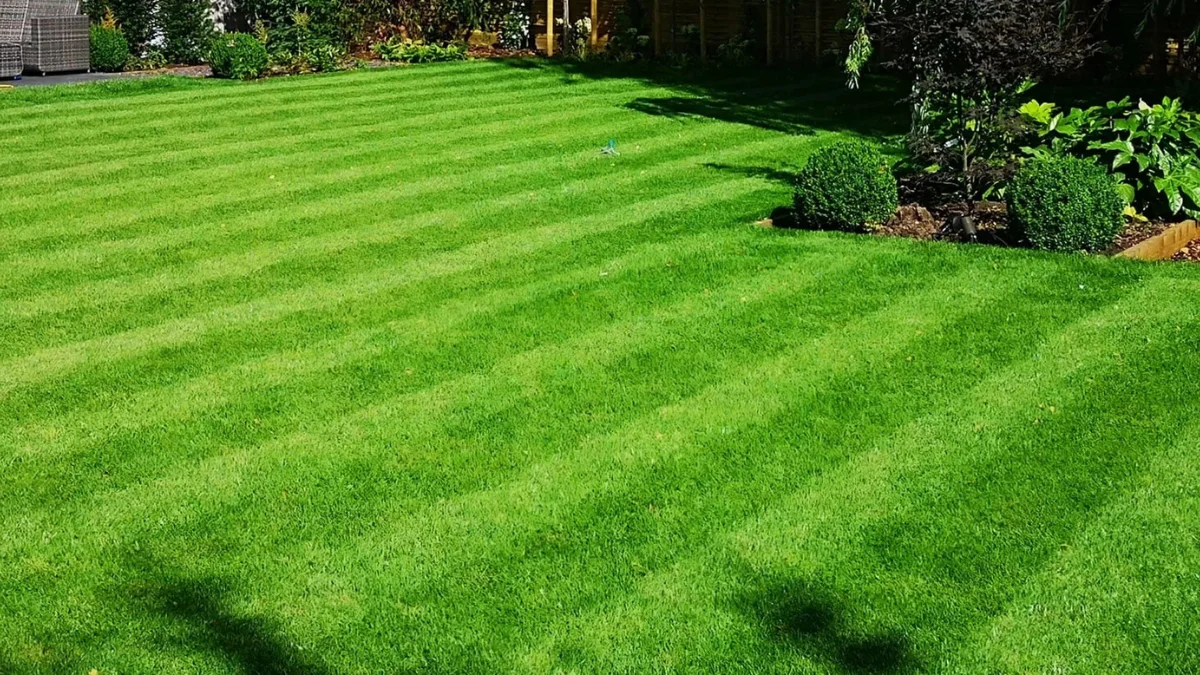
A beautiful lawn is one of the first things people notice when they visit a home. Thick, green grass creates a welcoming outdoor space, improves kerb appeal and provides a comfortable area for relaxing, entertaining or playing with family. However, achieving a vibrant lawn requires more than occasional mowing. Healthy Green Lawn Care is about following the right maintenance routine throughout the year to keep your grass strong, lush and resistant to weeds, moss and disease.
Whether you are starting with a new lawn or improving an existing one, understanding the basics of lawn care makes the task much easier. From watering and mowing to feeding and aerating, every step plays an important role in encouraging healthy growth. This guide explains everything you need to know about Healthy Green Lawn Care, helping you enjoy a greener and healthier garden in every season.
Understanding Healthy Green Lawn Care
Healthy Green Lawn Care begins with providing your grass with the ideal growing conditions. Healthy lawns rely on fertile soil, good drainage, sufficient sunlight and regular maintenance. When these essentials are in place, grass develops stronger roots, thicker growth and a richer green colour. A well-maintained lawn also becomes naturally more resistant to pests, weeds and changing weather conditions.
Many homeowners experience common lawn problems such as yellow patches, moss, weeds or thin grass because the lawn is lacking nutrients or receiving incorrect care. Identifying the cause early allows you to correct the problem before it becomes more serious. A simple maintenance routine carried out consistently throughout the year is often enough to transform an average lawn into a healthy and attractive feature.
Watering Your Lawn the Right Way
Watering is one of the most important parts of maintaining a healthy lawn. Instead of watering little and often, give your lawn a deep soak once or twice each week. Deep watering encourages the roots to grow further into the soil, making the grass stronger during dry weather and reducing the risk of drought stress. This approach also helps improve the overall quality of Healthy Green Lawn Care.
The best time to water your lawn is early in the morning when temperatures are cooler and evaporation is lower. Avoid watering during the hottest part of the day because much of the moisture will evaporate before reaching the roots. Evening watering should also be limited, as damp grass overnight can encourage fungal diseases and other lawn problems.
Mowing Techniques for Stronger Grass
Correct mowing practices make a significant difference to the appearance and health of your lawn. Grass should never be cut too short because this weakens the plant and exposes the soil to excessive sunlight. Keeping the grass slightly longer helps retain moisture, encourages deeper root development and naturally suppresses weed growth while maintaining a greener appearance.
Always ensure your mower blades remain sharp throughout the growing season. Sharp blades create clean cuts that heal quickly, whereas blunt blades tear the grass and leave brown edges. Following the one-third rule, where no more than one-third of the grass height is removed during each cut, helps maintain healthy growth without placing unnecessary stress on the lawn.
Feeding and Fertilising for Healthy Growth
Grass requires regular nutrients to stay lush, green and healthy. Applying a quality lawn fertiliser supplies essential nutrients such as nitrogen, phosphorus and potassium, all of which contribute to vigorous growth and stronger roots. Feeding your lawn during the appropriate seasons helps replace nutrients removed through mowing and encourages continuous healthy development.
Different fertilisers are designed for different times of the year. Spring and summer feeds usually contain higher levels of nitrogen to promote leafy growth, while autumn fertilisers strengthen the roots before winter arrives. Applying the correct amount is equally important, as excessive fertiliser may damage the grass instead of improving it.
Aeration and Scarifying

Over time, regular foot traffic causes the soil beneath your lawn to become compacted. Compacted soil reduces airflow and prevents water and nutrients from reaching the roots effectively. Aerating the lawn by creating small holes in the soil improves drainage, encourages healthier root growth and allows the grass to absorb nutrients more efficiently.
Scarifying removes the layer of dead grass, moss and organic debris known as thatch. Thick layers of thatch prevent moisture and oxygen from reaching the soil, creating poor growing conditions. Scarifying once or twice each year allows new shoots to grow freely and significantly improves the success of your Healthy Green Lawn Care routine.
Weed, Moss and Pest Control
A thick and healthy lawn naturally discourages weeds because dense grass leaves little room for unwanted plants to establish themselves. Regular feeding, correct mowing and consistent watering all contribute towards creating a lawn that competes successfully against weeds. Small weeds should be removed promptly before they spread throughout the garden.
Moss usually develops in damp, shaded areas where drainage is poor and grass struggles to grow. Improving drainage, increasing sunlight where possible and aerating compacted soil help reduce moss naturally. Healthy lawns are also less attractive to many common pests, making good lawn maintenance the most effective long-term solution.
Repairing Patchy and Damaged Lawns
Patchy grass often develops because of heavy foot traffic, pet activity, drought or poor soil conditions. Repairing these damaged areas quickly prevents weeds from taking over and restores an even appearance. Begin by loosening the soil, removing dead grass and adding quality topsoil where necessary before sowing fresh grass seed.
Keep newly seeded areas consistently moist until the young grass becomes established. Avoid walking on repaired sections during the early stages of growth to give the seedlings the best opportunity to develop strong roots. Regular overseeding also helps maintain thick, healthy grass across the entire lawn.
Seasonal Healthy Green Lawn Care
Every season presents different challenges, making seasonal maintenance an essential part of Healthy Green Lawn Care. During spring, remove winter debris, feed the lawn and repair damaged areas to encourage fresh growth. This is also an excellent time to begin mowing regularly as temperatures increase and grass starts growing more quickly.
Summer maintenance focuses on careful watering and sensible mowing to protect the lawn during warmer conditions. Autumn is ideal for aeration, scarifying and overseeding, while winter requires minimal maintenance beyond avoiding unnecessary foot traffic on frozen or waterlogged grass. Following seasonal routines keeps your lawn healthy throughout the year.
Essential Lawn Care Tools
Using quality lawn care equipment makes maintenance easier and improves the results you achieve. A reliable lawn mower, watering hose, sprinkler and fertiliser spreader form the foundation of every successful lawn care routine. These tools help ensure even watering, accurate feeding and consistent mowing across the entire lawn.
Additional equipment such as garden forks, scarifiers, edging tools and leaf rakes can further improve lawn quality by addressing seasonal maintenance tasks. Investing in durable tools not only saves time but also makes maintaining a beautiful garden far more enjoyable throughout every season.
Common Lawn Care Mistakes to Avoid
Many lawn problems occur because of simple maintenance mistakes that are easy to avoid. Cutting the grass too short, watering too frequently or applying excessive fertiliser can all weaken your lawn and encourage weeds or disease. Understanding the correct care techniques prevents these issues and supports healthier grass growth.
Ignoring soil health is another common mistake. Healthy soil provides the nutrients, oxygen and drainage required for strong roots to develop. Regular aeration, occasional soil improvement and balanced fertilising create the ideal conditions for maintaining a vibrant lawn throughout the entire year.
Natural and Eco-Friendly Lawn Care Tips
Natural lawn care methods are becoming increasingly popular because they protect the environment while producing excellent results. Organic fertilisers, compost and natural soil conditioners improve soil fertility without relying heavily on chemicals. These methods also encourage beneficial microorganisms that support healthy grass growth naturally.
Water conservation is another important aspect of sustainable gardening. Collecting rainwater, watering deeply and maintaining slightly longer grass all reduce water usage while keeping the lawn healthy. Combining environmentally friendly techniques with regular maintenance creates a greener garden that benefits both your home and local wildlife.
Conclusion
Healthy Green Lawn Care is achieved through regular maintenance rather than occasional treatments. Watering deeply, mowing correctly, feeding appropriately and improving soil health all contribute towards creating a lawn that remains lush, green and resilient throughout the seasons. Consistency is the secret to long-term success.
By following these practical lawn care techniques, you can enjoy a healthier garden that looks attractive all year round. Whether you are repairing damaged grass or maintaining an established lawn, investing time in proper care will reward you with stronger roots, richer colour and a beautiful outdoor space for years to come.
Frequently Asked Questions
How do I keep my lawn healthy and green?
Water deeply, mow correctly and feed your lawn regularly.
How often should I water my lawn?
Usually once or twice a week with deep watering.
What is the best fertiliser for green grass?
A balanced lawn fertiliser rich in nitrogen works well.
When should I aerate my lawn?
Spring and autumn are the ideal times.
How can I repair patchy grass?
Overseed damaged areas and keep them consistently moist.
Why is my lawn turning yellow?
Poor watering, nutrient deficiency or compacted soil are common causes.
Should I leave grass clippings on my lawn?
Yes, short clippings can return nutrients to the soil.
When is the best time to overseed a lawn?
Early autumn offers the best growing conditions.
How do I prevent weeds naturally?
Maintain thick, healthy grass through regular care.
Can moss damage my lawn?
Yes, excessive moss can reduce healthy grass growth if left untreated.