
Seasonal Garden Planting Guide: What to Plant in 2026
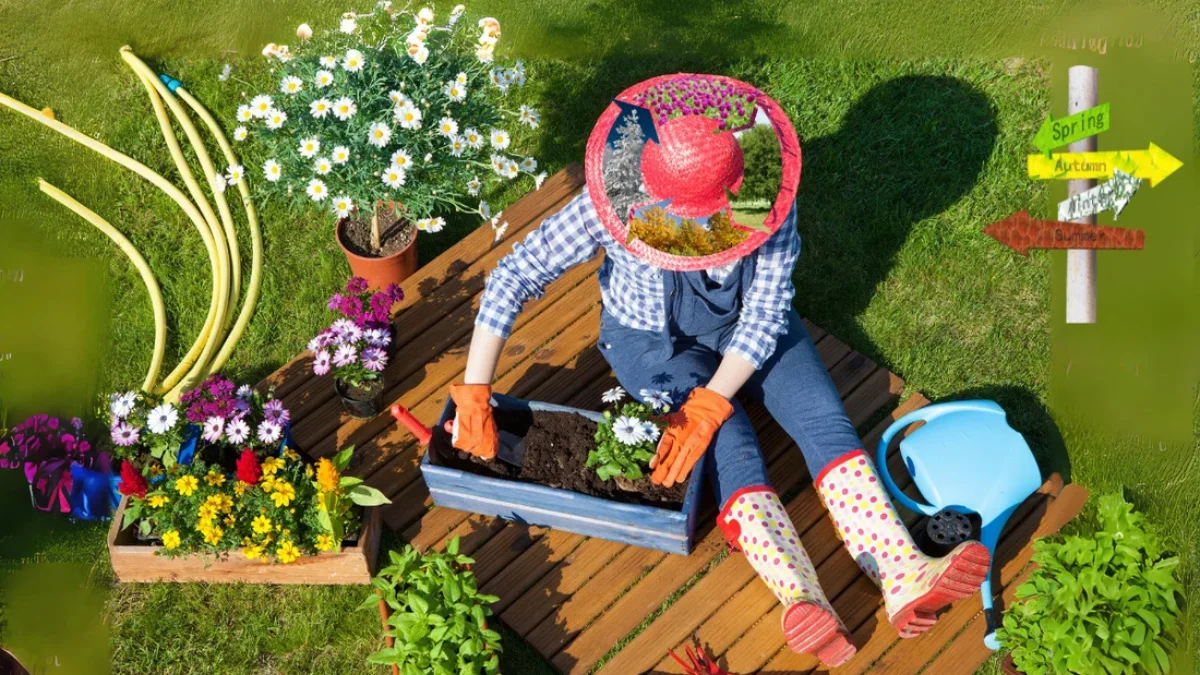
Gardening is one of the most rewarding hobbies, offering beautiful landscapes, fresh produce and a relaxing outdoor environment throughout the year. However, successful gardening depends on planting the right crops and flowers at the correct time. A Seasonal Garden Planting Guide helps gardeners understand the best planting periods for every season, ensuring healthier plants, stronger growth and better harvests.
Whether you have a small back garden, raised beds or a large landscape, following a Seasonal Garden Planting Guide allows you to make the most of every month. By understanding seasonal weather patterns and selecting suitable plants, you can enjoy colourful flowers, productive vegetable patches and thriving greenery all year round. This guide explains everything you need to know to plan and maintain a flourishing garden in 2026.
Understanding Seasonal Gardening
Seasonal gardening is the practice of growing plants according to changing weather conditions, daylight hours and soil temperatures throughout the year. Every season creates different growing environments, meaning certain flowers, vegetables and shrubs perform better during specific months. Understanding these natural cycles allows gardeners to improve plant health while reducing unnecessary maintenance and losses caused by unsuitable planting times.
A reliable Seasonal Garden Planting Guide helps gardeners make informed decisions before sowing seeds or planting young plants. Rather than guessing when to begin, you can follow seasonal recommendations that increase germination rates, encourage stronger root development and improve flowering or harvesting. Planning ahead also saves time and ensures your garden remains attractive and productive regardless of the season.
Spring Planting Guide
Spring is often considered the most exciting season for gardeners because nature begins to awaken after winter. As temperatures gradually increase and daylight becomes longer, many flowers, herbs and vegetables begin growing rapidly. Popular spring vegetables include carrots, spinach, peas, lettuce and beetroot, while colourful flowers such as tulips, daffodils and primroses brighten every outdoor space with fresh seasonal colour.
Preparing the garden before planting is equally important during spring. Removing weeds, improving soil with compost and checking drainage creates healthier growing conditions for young plants. Following a Seasonal Garden Planting Guide during spring ensures every crop is planted at the ideal time, giving it the strongest possible start before the warmer months arrive.
Summer Planting Guide
Summer provides ideal growing conditions for many vegetables, herbs and ornamental plants thanks to extended daylight and warmer temperatures. Tomatoes, cucumbers, courgettes, peppers and beans flourish during this period, while flowering plants such as petunias, marigolds and lavender create vibrant displays that attract bees, butterflies and other valuable pollinators.
Although summer encourages rapid growth, it also requires consistent garden care. Regular watering during early mornings or evenings helps reduce evaporation, while applying mulch around plants keeps the soil cool and moist. Feeding crops with suitable fertilisers throughout the season supports healthy flowering and encourages abundant harvests well into late summer.
Autumn Planting Guide
Autumn is one of the best seasons for establishing trees, shrubs and perennial plants because the soil remains warm while rainfall naturally increases. These conditions encourage strong root development before winter arrives, helping plants settle successfully and grow vigorously when spring returns. It is also the perfect time to plant spring-flowering bulbs such as tulips, daffodils and crocuses.
Many vegetables also perform well when planted during autumn, including garlic, onions and broad beans. Gardeners should take advantage of this quieter season to improve soil quality by adding compost and organic matter. A Seasonal Garden Planting Guide recommends completing these essential tasks before colder temperatures slow plant growth and outdoor gardening activities.
Winter Planting Guide

Although many people believe gardening stops during winter, this season still offers valuable opportunities for planting and preparation. Bare-root trees, hedging plants and roses are commonly planted while dormant, allowing them to establish roots before active growth begins in spring. Hardy vegetables and winter salads can also continue growing with suitable protection.
Winter is an excellent time to clean tools, repair raised beds and organise next year’s planting schedule. Protecting vulnerable plants with fleece, mulch or cloches reduces frost damage and improves survival rates. Using a Seasonal Garden Planting Guide throughout winter ensures your garden remains healthy and fully prepared for the next growing season.
Month-by-Month Seasonal Planting Calendar
A month-by-month planting calendar helps gardeners organise every gardening task throughout the year. Each month offers different opportunities for sowing seeds, transplanting seedlings, harvesting vegetables or preparing flower beds. Following a structured calendar prevents important jobs from being forgotten while making seasonal planning much easier for beginners and experienced gardeners alike.
For example, early spring focuses on sowing cool-season vegetables, while summer encourages regular harvesting and watering routines. Autumn becomes the ideal period for planting bulbs and improving soil, whereas winter allows gardeners to prepare equipment and develop planting plans. A Seasonal Garden Planting Guide brings these monthly activities together into one practical resource.
Best Plants for Every Garden Season
Choosing plants suited to each season creates continuous colour and interest throughout the year. Spring flowers such as daffodils, hyacinths and tulips introduce vibrant displays after winter, while summer favourites including roses, lavender and geraniums provide long-lasting blooms during warmer weather. Autumn chrysanthemums and ornamental grasses add texture before evergreen shrubs maintain structure during winter.
Vegetable gardeners can also enjoy year-round harvests by selecting suitable seasonal crops. Leafy greens, carrots, onions, peas, tomatoes and beans all have preferred planting periods that maximise growth and productivity. Following a Seasonal Garden Planting Guide helps you select the right plants at the right time for consistent gardening success.
Essential Garden Preparation Before Planting
Healthy plants always begin with healthy soil. Before planting, remove weeds, loosen compacted ground and enrich the soil using compost or well-rotted organic matter. Testing soil drainage and pH levels also helps identify improvements needed to support stronger plant growth and better nutrient absorption throughout the growing season.
Selecting suitable planting locations is equally important because different plants require varying amounts of sunlight and shelter. Cleaning gardening tools before use reduces the spread of disease, while choosing quality compost encourages faster establishment. Good preparation provides every plant with the strongest possible foundation for long-term success.
Seasonal Garden Care Tips
Maintaining a healthy garden requires different care routines as the seasons change. Spring focuses on feeding young plants and controlling weeds, while summer demands regular watering and pest monitoring. During autumn, gardeners should remove dead foliage, improve soil quality and prepare plants for colder weather before winter protection becomes essential.
Routine maintenance such as pruning, mulching and checking plants for signs of disease should continue throughout the year. Encouraging pollinating insects by planting nectar-rich flowers also supports healthy ecosystems and improves crop production. Consistent care following a Seasonal Garden Planting Guide helps every part of the garden remain attractive and productive.
Common Seasonal Planting Mistakes to Avoid
Many gardening problems result from planting at the wrong time or ignoring seasonal conditions. Starting tender plants before the final frost, overwatering during wet periods or choosing unsuitable varieties often leads to poor growth and disappointing harvests. Understanding local weather conditions significantly improves gardening success throughout every season.
Another common mistake is overcrowding plants, preventing good airflow and increasing the risk of fungal diseases. Neglecting soil preparation and failing to rotate vegetable crops can also reduce long-term productivity. Following a Seasonal Garden Planting Guide helps avoid these issues while encouraging healthier, stronger and more resilient plants.
How to Create Your Own Seasonal Planting Plan
Creating a personalised planting plan allows you to make the best use of available space while ensuring something is growing during every season. Begin by assessing your garden size, sunlight exposure, soil quality and local climate before choosing flowers, vegetables and shrubs that suit your growing conditions.
Keeping a gardening journal is an excellent habit because it records planting dates, successful varieties and seasonal observations. Over time, these notes help refine your gardening techniques and improve future planting decisions. Combining personal experience with a trusted Seasonal Garden Planting Guide creates a practical plan that delivers consistent results every year.
Conclusion
A Seasonal Garden Planting Guide is an essential resource for anyone who wants a thriving, colourful and productive garden throughout the year. By understanding seasonal planting times, preparing soil correctly and caring for plants according to changing weather conditions, gardeners can enjoy stronger growth, healthier plants and more successful harvests.
Whether you grow flowers, vegetables, herbs or ornamental shrubs, careful seasonal planning makes gardening easier and more rewarding. Use this Seasonal Garden Planting Guide as the foundation for your yearly gardening routine, and you will create a beautiful outdoor space that flourishes in every season while providing enjoyment for years to come.
Frequently Asked Questions
What is a Seasonal Garden Planting Guide?
A Seasonal Garden Planting Guide explains the best plants to grow during each season for healthier gardens.
When is the best time to start gardening in the UK?
Spring is usually the ideal time, although some plants can be grown throughout the year.
Can I plant vegetables during winter?
Yes, hardy vegetables such as garlic, onions and broad beans grow well during winter.
Why is seasonal planting important?
It improves plant health, increases harvests and reduces common gardening problems.
Which flowers are best for spring gardens?
Tulips, daffodils, primroses and hyacinths are excellent spring flowering plants.
How often should seasonal plants be watered?
Watering depends on the season, with summer generally requiring more frequent watering.
How can I improve my garden soil naturally?
Add compost, organic matter and mulch to improve soil fertility and structure.
Is autumn suitable for planting trees and shrubs?
Yes, autumn provides excellent conditions for strong root establishment before winter.