
Best Garden Plants Guide: Top Picks for Every UK Garden
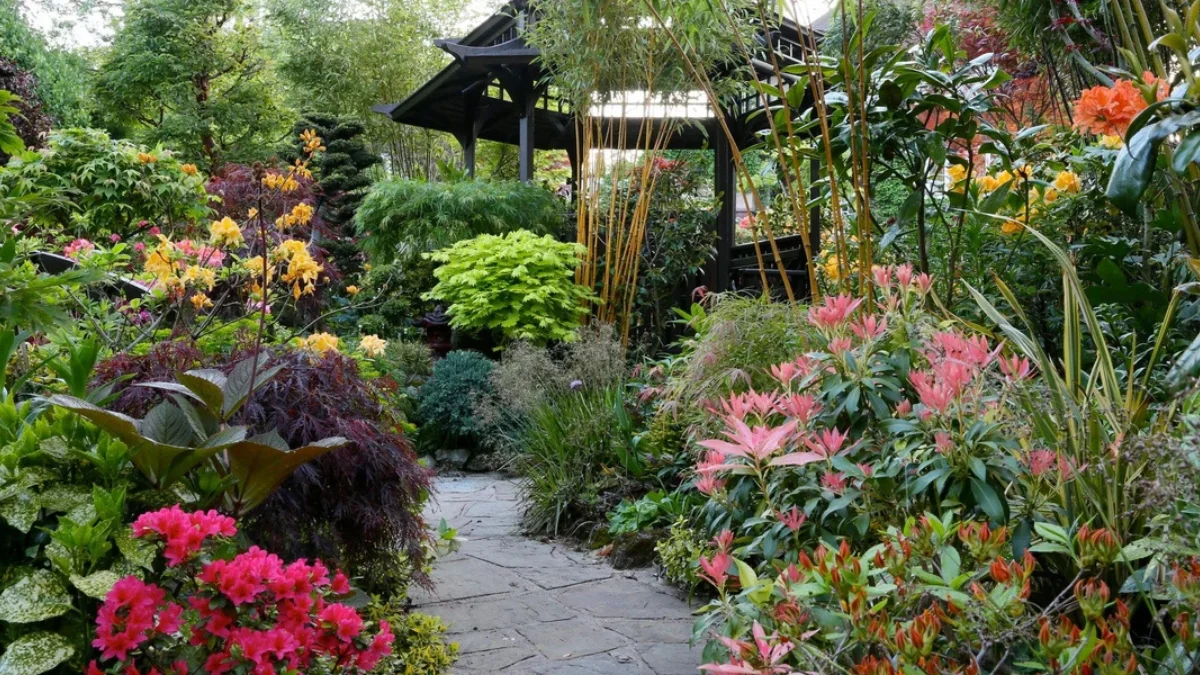
A beautiful garden begins with choosing plants that suit your outdoor space, local climate and gardening experience. Whether you have a small courtyard, a spacious lawn or a colourful cottage garden, selecting the right flowers, shrubs and trees can completely transform the look and feel of your property. This Best Garden Plants Guide is designed to help you make informed decisions, ensuring every plant thrives and adds lasting beauty throughout the year.
Gardening is more than simply planting flowers; it is about creating an environment that offers colour, texture, fragrance and wildlife interest in every season. By understanding which plants perform well in different conditions, you can reduce maintenance while enjoying a healthier, more attractive landscape. This Best Garden Plants Guide covers everything you need to know before choosing the perfect plants for your UK garden.
Why Choosing the Right Garden Plants Matters
Selecting suitable garden plants is one of the most important decisions when designing an outdoor space. Plants that are matched to your soil type, sunlight levels and local weather conditions are more likely to grow successfully, produce stronger blooms and resist common pests and diseases. Choosing wisely also reduces the amount of watering, feeding and pruning needed throughout the year, making gardening both enjoyable and rewarding.
A thoughtfully planned garden also creates a balanced landscape that looks attractive in every season. Mixing flowering plants with evergreen shrubs, ornamental grasses and small trees adds variety and ensures your garden never feels empty. Following a trusted Best Garden Plants Guide allows you to avoid expensive mistakes while creating an outdoor area that continues to improve year after year.
Types of Garden Plants for UK Gardens
UK gardens can include a wide selection of plant types, each serving a different purpose within the landscape. Perennials provide dependable flowers every year, annuals offer vibrant seasonal displays, while evergreen shrubs deliver structure and colour even during winter. Ornamental trees create focal points, and climbing plants soften walls, fences and pergolas with beautiful foliage and blossoms.
Ground cover plants are another excellent option because they reduce weed growth while adding texture to borders and pathways. Combining different plant varieties creates layers of colour, height and interest throughout the seasons. A comprehensive Best Garden Plants Guide always recommends using a balanced mixture of flowering plants, foliage plants and evergreens to achieve a natural yet professionally designed garden.
Best Garden Plants for Different Garden Conditions
Every outdoor space has unique growing conditions, making plant selection especially important. Sunny gardens are ideal for lavender, roses, salvias and echinacea because these plants thrive in warm, bright locations. Shaded gardens benefit from hostas, ferns, hellebores and astilbes, which flourish in lower light levels while providing impressive foliage and seasonal flowers.
Soil conditions should also influence your choices. Heavy clay soils support hydrangeas and asters, while sandy soils favour ornamental grasses and drought-resistant plants. Gardens with limited space benefit from compact shrubs, dwarf trees and climbing roses. Using this Best Garden Plants Guide to match plants with your environment will significantly improve long-term success and reduce unnecessary maintenance.
Best Low-Maintenance Garden Plants
Many homeowners prefer gardens that remain attractive without requiring constant attention. Low-maintenance plants provide an excellent solution by offering reliable growth, colourful flowers and attractive foliage with minimal effort. Lavender, sedum, hardy geraniums and ornamental grasses require very little watering once established, making them ideal choices for busy households and beginner gardeners.
Evergreen shrubs such as boxwood, euonymus and skimmia provide year-round structure while demanding only occasional pruning. Choosing hardy plants also reduces the need for regular replacements, saving both time and money. Incorporating these dependable varieties into your landscape ensures your garden remains beautiful without requiring hours of weekly maintenance.
Best Garden Plants for Year-Round Colour

Creating a garden that looks attractive during every season requires careful planning. Spring begins with colourful bulbs such as daffodils, tulips and crocuses, followed by flowering shrubs and early perennials that brighten borders after winter. Summer then introduces roses, hydrangeas, salvias and lavender, producing vibrant displays that continue for many months.
Autumn offers warm foliage colours, ornamental grasses and decorative berries, while winter gardens remain appealing thanks to evergreen shrubs, colourful dogwood stems and winter-flowering heathers. A well-planned planting scheme ensures there is always something interesting to admire. This Best Garden Plants Guide encourages combining plants with different flowering periods to maintain colour throughout the entire year.
How to Choose the Best Garden Plants
Choosing the right garden plants starts with understanding your outdoor space rather than simply selecting attractive flowers. Take time to assess your garden’s size, soil condition, drainage and the amount of sunlight each area receives throughout the day. Some plants flourish in full sun, while others prefer partial shade or sheltered locations. Matching plants to these natural conditions gives them the best chance of healthy growth and long-lasting beauty.
It is equally important to consider how much maintenance you are willing to provide. Busy homeowners often benefit from hardy perennials and evergreen shrubs that require very little attention after establishment. If you enjoy seasonal gardening, colourful annuals and flowering bulbs can provide exciting displays throughout the year. Following a reliable Best Garden Plants Guide helps you choose plants that suit both your lifestyle and your garden’s unique characteristics.
Essential Planting Tips for Healthy Growth
Proper planting techniques make a significant difference to the long-term success of any garden. Before planting, prepare the soil by removing weeds, breaking up compacted areas and mixing in well-rotted compost or organic matter. Healthy soil provides essential nutrients while improving drainage and encouraging strong root development. Planting at the correct depth also prevents root damage and supports faster establishment.
Water plants thoroughly immediately after planting to help settle the soil around the roots. Applying a layer of mulch retains moisture, suppresses weeds and regulates soil temperature throughout the seasons. Newly planted flowers, shrubs and trees require regular watering during their first growing season, allowing them to develop a healthy root system before becoming more drought tolerant.
Garden Plant Care and Maintenance
Regular maintenance keeps your garden healthy, colourful and full of life throughout the year. Watering should be adjusted according to weather conditions, with extra attention during prolonged dry spells. Removing faded flowers, known as deadheading, encourages many plants to produce fresh blooms while keeping borders tidy and attractive. Feeding plants with suitable fertilisers also promotes vigorous growth and healthier foliage.
Seasonal pruning is another important aspect of successful gardening. Removing damaged or overcrowded branches improves airflow, reduces disease risk and encourages stronger flowering in the following season. Regular inspections for pests and fungal diseases allow problems to be treated early before they spread. By following a consistent maintenance routine, your garden will continue to flourish for many years.
Common Mistakes to Avoid When Growing Garden Plants
One of the most common gardening mistakes is purchasing plants without considering whether they suit local growing conditions. A beautiful flower may struggle if planted in the wrong soil or exposed to unsuitable sunlight. Overcrowding borders is another frequent error that restricts airflow, increases competition for nutrients and creates ideal conditions for pests and diseases to develop.
Overwatering can also cause more harm than underwatering, particularly for plants that prefer well-drained soil. Many gardeners apply excessive fertiliser in the hope of encouraging faster growth, but this often results in weak stems and fewer flowers. Using a dependable Best Garden Plants Guide helps gardeners avoid these mistakes while creating healthier, stronger and more productive outdoor spaces.
Popular Garden Plant Combinations
Combining different plant varieties creates a balanced and visually appealing garden throughout the seasons. Cottage-style gardens often pair fragrant lavender with climbing roses, foxgloves and hardy geraniums to create soft colours and natural textures. Modern gardens frequently feature ornamental grasses alongside architectural plants, producing clean lines and contemporary visual appeal.
Wildlife-friendly combinations are becoming increasingly popular across the UK. Plants such as buddleia, echinacea, verbena and salvia attract bees, butterflies and other beneficial pollinators while adding vibrant colour to borders. Mixing evergreen shrubs with seasonal flowering plants provides year-round structure and ensures your garden remains attractive regardless of the time of year.
Where to Buy the Best Garden Plants in the UK
Purchasing healthy plants from trusted suppliers is essential for creating a successful garden. Local garden centres often stock plants that are well suited to regional growing conditions, and knowledgeable staff can provide valuable advice on planting and aftercare. Visiting specialist nurseries also gives gardeners access to unusual varieties that may not be available through larger retailers.
Online plant suppliers have become increasingly popular because they offer a wide selection and convenient home delivery. Before buying, inspect product descriptions carefully and choose retailers with positive customer reviews and clear plant care information. Healthy plants should have vibrant foliage, sturdy stems and well-developed roots, ensuring they establish quickly once planted in your garden.
Conclusion
Creating a thriving outdoor space begins with selecting plants that match your garden’s natural conditions and your personal gardening goals. From colourful flowering perennials and evergreen shrubs to ornamental trees and climbing plants, every choice contributes to the overall beauty and health of your landscape. This Best Garden Plants Guide has explored the essential factors that help gardeners make confident planting decisions.
By following the advice in this Best Garden Plants Guide, you can enjoy a garden that offers colour, texture and seasonal interest throughout the year. Careful planning, proper planting techniques and regular maintenance will reward you with a healthy outdoor space that continues to flourish for many seasons. Whether you are starting a new garden or improving an existing one, choosing the right plants is the first step towards lasting success.
Frequently Asked Questions
What are the best garden plants for beginners?
Lavender, hardy geraniums, hostas and hydrangeas are excellent choices because they are easy to grow and require minimal care.
Which garden plants flower all year round?
No single plant flowers continuously, but combining seasonal plants ensures year-round colour and interest.
What are the easiest low-maintenance garden plants?
Lavender, sedum, ornamental grasses, boxwood and evergreen shrubs are among the easiest plants to maintain.
Which plants grow best in shade?
Hostas, ferns, hellebores, astilbes and foxgloves all perform well in shaded garden areas.
What are the best plants for sunny gardens?
Roses, lavender, salvias, echinacea and ornamental grasses thrive in full sunshine.
How do I choose the right plants for my garden?
Assess your soil type, sunlight, drainage, available space and maintenance preferences before buying plants.
What plants are best for small gardens?
Compact shrubs, dwarf trees, climbing plants and container-friendly flowers work particularly well in smaller spaces.
Which garden plants attract bees and butterflies?
Lavender, buddleia, verbena, salvia and echinacea are excellent pollinator-friendly plants.
When is the best time to plant garden plants in the UK?
Spring and autumn are generally the best seasons because the soil is moist and temperatures are mild.
How often should I water newly planted garden plants?
Water regularly during the first growing season, especially during dry weather, until the roots become fully established.