
Complete Landscape Planning Guide: Design Your Garden (2026)
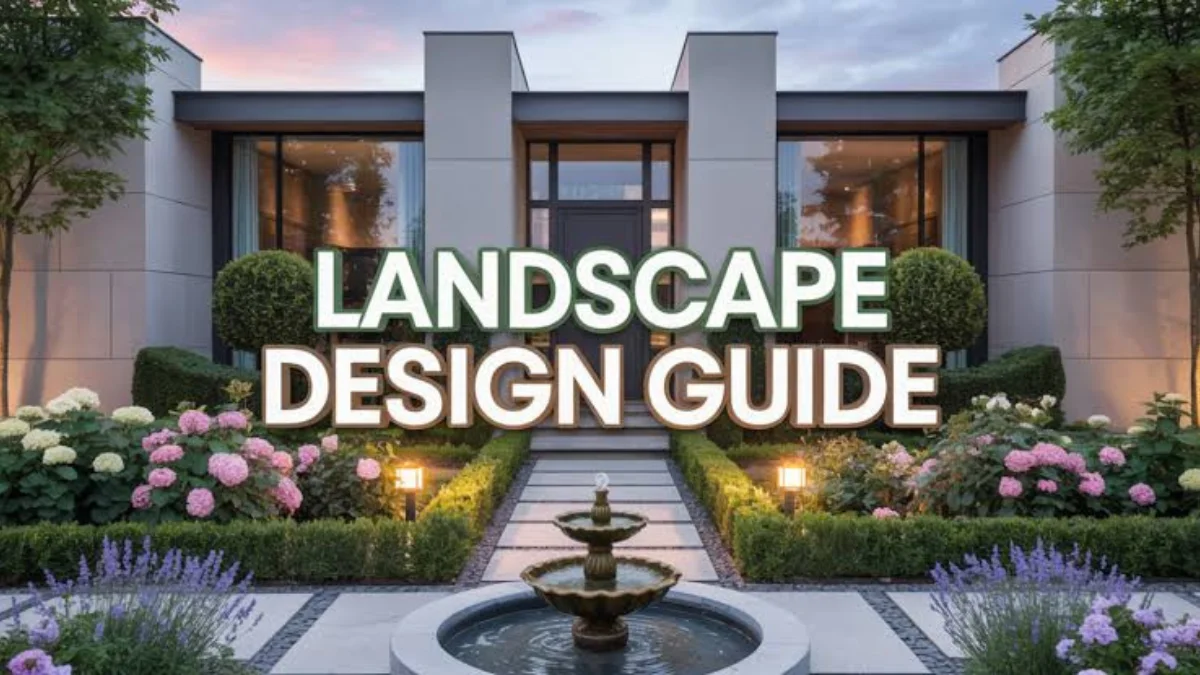
Creating a beautiful outdoor space requires more than simply planting flowers or laying a new lawn. A successful garden begins with careful preparation, thoughtful design, and a clear understanding of how every element works together. This Complete Landscape Planning Guide is designed to help homeowners create practical, attractive, and sustainable landscapes that suit their lifestyle and increase the overall value of their property.
Whether you are redesigning a small back garden or planning a complete outdoor transformation, having a structured plan makes the process easier and more rewarding. This Complete Landscape Planning Guide explains the essential stages of landscape planning, from assessing your site and setting goals to selecting plants, installing hard landscaping, and maintaining a garden that looks impressive throughout every season.
Understanding the Basics of Landscape Planning
Landscape planning is the foundation of every successful garden project. It involves organising outdoor spaces so that plants, pathways, patios, and decorative features work together in harmony. A well-planned landscape is not only visually appealing but also practical, making it easier to enjoy and maintain throughout the year. Careful planning helps prevent costly mistakes and ensures every area has a clear purpose.
Before making any design decisions, think about how you want to use your outdoor space. Some homeowners prioritise relaxing seating areas, while others prefer colourful flower borders, vegetable gardens, or family entertainment spaces. Following a Complete Landscape Planning Guide allows you to balance beauty with functionality, ensuring your garden meets your current needs while remaining adaptable for the future.
Assessing Your Garden Before Planning
Every landscape project should begin with a detailed assessment of the available space. Measure your garden accurately and create a simple sketch showing existing features such as buildings, fences, mature trees, pathways, and utility lines. Understanding the shape and dimensions of your garden provides a strong foundation for making informed design decisions and avoiding unnecessary changes later.
Environmental conditions also influence the success of your landscape. Observe how sunlight moves across the garden during the day, identify shaded areas, and inspect drainage after rainfall. Testing the soil and understanding your local climate will help you choose plants that thrive naturally. This preparation ensures your landscape remains healthy, attractive, and easier to maintain throughout the seasons.
Setting Goals and Creating a Landscape Plan
A clear landscape plan transforms ideas into achievable results. Start by deciding how your outdoor space should function. You may want separate zones for outdoor dining, relaxing, children’s play, gardening, or entertaining guests. Dividing the garden into practical areas creates an organised layout that improves both appearance and usability while making movement throughout the space more comfortable.
Budget planning should be considered from the beginning of the project. List your priorities and identify which features need immediate attention and which can be completed later. A Complete Landscape Planning Guide encourages homeowners to complete larger projects in phases, allowing improvements to fit comfortably within available budgets while still achieving impressive long-term results.
Planning Hard Landscaping Features
Hard landscaping provides the permanent structure of your garden. Features such as patios, decking, driveways, retaining walls, pathways, and pergolas establish the overall layout while improving functionality. Choosing quality materials that complement your property’s architecture creates a cohesive design that remains attractive for many years with minimal maintenance.
Additional features such as outdoor lighting, water fountains, decorative stone borders, and raised garden beds can significantly enhance the finished appearance. Proper placement of these elements creates focal points while improving safety and accessibility. Well-designed hard landscaping provides the perfect framework upon which the softer planting elements can flourish naturally.
Choosing the Right Plants for Your Landscape

Selecting suitable plants is one of the most enjoyable stages of garden planning. Choose trees, shrubs, flowers, ornamental grasses, and ground cover that suit your local climate, soil type, and available sunlight. Native plants often require less maintenance, support wildlife, and adapt better to local weather conditions, making them an excellent long-term investment for most gardens.
Layering plants according to height creates depth and visual balance throughout the landscape. Evergreen shrubs provide year-round structure, while flowering perennials introduce seasonal colour and interest. Following this Complete Landscape Planning Guide helps you avoid overcrowding while ensuring every plant has sufficient space to mature into its full size without competing for light or nutrients.
Designing Functional Outdoor Living Spaces
Modern gardens are no longer viewed as separate from the home. Instead, they serve as valuable outdoor living spaces where families can relax, entertain guests, and enjoy nature. Creating dedicated areas for dining, socialising, or quiet reflection adds purpose to your landscape while making the garden comfortable throughout the year. Comfortable seating, shade structures, and thoughtful layouts all contribute to a welcoming environment.
Privacy should also be considered when designing outdoor spaces. Fences, hedges, decorative screens, and climbing plants can create peaceful retreats while reducing unwanted noise and overlooking from neighbouring properties. By following a Complete Landscape Planning Guide, you can design outdoor areas that are both practical and visually appealing, ensuring every part of the garden feels connected and inviting.
Sustainable Landscape Planning
Sustainable landscaping helps protect the environment while reducing long-term maintenance costs. Installing water-efficient irrigation systems, collecting rainwater, and applying organic mulch all contribute to healthier plants and lower water consumption. Choosing drought-tolerant species further improves sustainability, especially during warmer months when rainfall may be limited.
Using environmentally friendly materials and natural gardening methods also benefits local wildlife. Composting kitchen and garden waste enriches the soil naturally, while avoiding unnecessary chemical treatments encourages birds, bees, and beneficial insects to thrive. A sustainable approach recommended in any Complete Landscape Planning Guide creates a healthier, more resilient garden that remains beautiful for years.
Landscape Planning Budget and Costs
Every landscaping project should begin with a realistic budget. Costs vary depending on the size of the garden, the quality of materials, and whether you complete the work yourself or hire professionals. Setting a spending limit before starting allows you to prioritise essential improvements while avoiding unnecessary expenses that could delay the project.
Breaking the project into manageable phases is often the most practical solution. Begin with structural features such as patios, drainage, or pathways before adding decorative planting and accessories. This Complete Landscape Planning Guide recommends allowing a small contingency fund for unexpected costs, ensuring your project continues smoothly even if adjustments become necessary during construction.
Step-by-Step Landscape Planning Process
Successful landscaping follows a logical sequence that prevents unnecessary work and reduces costs. Begin by surveying your site, measuring the available space, and preparing a scaled drawing. Next, identify the locations for patios, lawns, planting beds, seating areas, and pathways before selecting suitable materials and plants that complement your overall design.
Construction should always begin with major structural elements before moving on to irrigation systems, soil preparation, planting, lighting, and decorative finishing touches. Completing work in the correct order prevents damage to newly planted areas and ensures each stage supports the next. This organised process makes the Complete Landscape Planning Guide practical for gardens of every size.
Essential Landscape Planning Tools and Resources
Using the right tools makes planning easier and significantly improves accuracy. Basic equipment such as measuring tapes, graph paper, spirit levels, and marking paint helps establish precise layouts before work begins. Digital garden planning software also allows homeowners to visualise different designs and experiment with layouts without making permanent changes.
Modern technology offers additional resources that simplify the landscaping process. Plant identification applications, maintenance calendars, online budget calculators, and landscape design programmes provide valuable guidance throughout every stage of the project. Combining traditional planning methods with digital tools saves time while helping achieve professional-quality results.
Common Landscape Planning Mistakes to Avoid
Many homeowners make the mistake of planting too close together because young plants appear small when purchased. Over time, overcrowding restricts healthy growth, increases maintenance requirements, and reduces the visual appeal of the garden. Always consider the mature size of every tree, shrub, or flower before deciding where it should be planted.
Another common mistake is overlooking drainage, sunlight patterns, and future maintenance requirements. Poor planning can lead to waterlogged lawns, unhealthy plants, and expensive repairs later. Following a Complete Landscape Planning Guide helps avoid these issues by encouraging careful preparation, thoughtful design, and realistic budgeting before any landscaping work begins.
Conclusion
A successful garden begins long before the first plant is placed in the ground. Careful preparation, practical design, and thoughtful plant selection create outdoor spaces that are attractive, functional, and enjoyable throughout every season. Investing time in planning ensures your landscape meets your lifestyle needs while increasing the beauty and value of your home.
By following this Complete Landscape Planning Guide, you can confidently transform any outdoor space into a well-balanced and sustainable garden. From assessing your site and choosing suitable plants to budgeting wisely and maintaining your landscape, every stage contributes to a garden that will continue to flourish for many years to come.
Frequently Asked Questions
What is a Complete Landscape Planning Guide?
A Complete Landscape Planning Guide explains how to design, organise, and develop a practical and attractive outdoor space.
Why is landscape planning important?
It helps create a functional garden, reduces costly mistakes, and improves long-term maintenance.
How do I start planning my garden?
Start by measuring your garden, assessing sunlight and soil, then create a simple layout plan.
What should be included in a landscape plan?
A landscape plan should include planting areas, patios, pathways, lighting, drainage, and seating spaces.
How much does landscape planning cost in the UK?
Costs vary depending on the garden size, chosen materials, and whether you hire professionals or complete the work yourself.
Can I design my own landscape?
Yes, with careful research and planning, many homeowners successfully create their own garden designs.
How do I choose the best plants for my landscape?
Choose plants that match your soil type, climate, available sunlight, and maintenance preferences.
What is the difference between landscape planning and landscape design?
Landscape planning focuses on layout and function, while landscape design concentrates on appearance and visual style.
How can I make my landscape low maintenance?
Use native plants, install efficient irrigation, apply mulch, and select durable landscaping materials.
When is the best time to start a landscaping project?
Spring and autumn are generally the best seasons for planting and completing most landscaping work.