
Complete Flooring Budget Guide: Costs & Savings (2026)
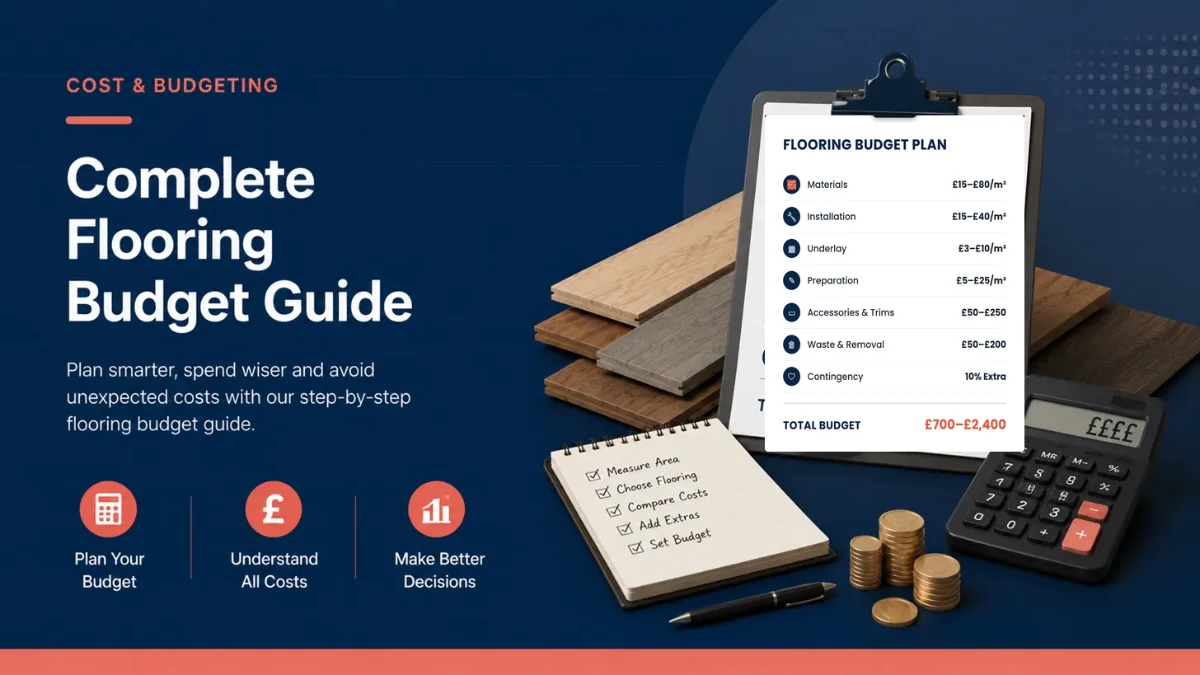
Planning a flooring project is an exciting opportunity to improve the comfort, appearance, and value of your home. However, without a clear financial plan, costs can quickly increase beyond expectations. A Complete Flooring Budget Guide helps homeowners understand every expense involved, from purchasing materials to paying for installation and future maintenance. Whether you are renovating one room or your entire property, having a realistic budget allows you to make informed decisions while avoiding unnecessary financial pressure.
Every flooring project is unique, which means the total cost depends on several important factors, including the flooring material, room size, labour charges, and preparation work. This Complete Flooring Budget Guide explains how to estimate expenses accurately, compare different flooring options, identify hidden costs, and save money without sacrificing quality. By following this guide, you can confidently choose flooring that suits your home, lifestyle, and budget.
Understanding Your Flooring Budget
Before purchasing any flooring, it is important to establish a realistic budget based on your project goals. Many homeowners focus only on the price of the flooring itself, but the overall cost often includes much more. Installation, underlay, trims, adhesives, and subfloor preparation can all contribute to the final expense. Setting a clear budget from the beginning helps prevent overspending and ensures every aspect of the project is properly planned.
A well-prepared budget also makes it easier to compare flooring materials objectively. While cheaper products may appear attractive initially, they may require replacement much sooner than premium alternatives. Investing in durable flooring can provide better long-term value by reducing maintenance costs and extending the lifespan of your floors. Careful budgeting allows you to balance affordability with quality, ensuring your investment continues to benefit your home for years to come.
Factors That Affect Flooring Costs
Several factors influence the total cost of a flooring project, and understanding them helps you plan more accurately. The size of the room is one of the biggest cost drivers because larger spaces require additional materials and more installation time. The type of flooring you select also plays a significant role, with laminate generally being more affordable than engineered wood, natural stone, or premium hardwood flooring.
Labour costs can vary depending on your location, the complexity of the installation, and the experience of the installer. If your existing floor requires removal or the subfloor needs levelling and repairs, your overall budget will increase. Additional accessories such as underlay, skirting boards, moisture barriers, and transition strips should also be included in your calculations to avoid unexpected expenses later in the project.
Comparing Popular Flooring Materials
Choosing the right flooring material is one of the most important decisions in any renovation project. Laminate flooring remains one of the UK’s most popular choices because it provides an attractive wood-effect finish at an affordable price. Luxury Vinyl Tile (LVT) is another excellent option thanks to its impressive durability, water resistance, and suitability for kitchens, bathrooms, and high-traffic living areas.
For homeowners seeking a premium appearance, engineered wood and solid hardwood flooring offer timeless elegance and excellent durability. Carpet remains a practical option for bedrooms due to its warmth and comfort, while ceramic and porcelain tiles are ideal for bathrooms and kitchens because they resist moisture and are easy to clean. Comparing each material’s initial price, maintenance requirements, and lifespan helps you select the best flooring within your available budget.
Hidden Costs You Should Include
One of the biggest mistakes homeowners make is overlooking hidden costs when planning their flooring budget. While flooring materials usually receive the most attention, additional expenses can significantly increase the final price. Underlay, adhesives, trims, skirting boards, moisture barriers, and floor levelling materials are essential components that should always be included in your financial plan.
Furniture removal, waste disposal, delivery charges, and replacing damaged subfloors are other common expenses that many people forget to consider. Including these costs within your Complete Flooring Budget Guide provides a far more accurate estimate and reduces the likelihood of unexpected financial surprises. Adding a contingency fund also offers valuable protection if additional work becomes necessary during installation.
DIY or Professional Installation

Installing flooring yourself may seem like an effective way to reduce costs, particularly when using click-lock laminate or vinyl flooring systems. DIY installation can be rewarding for homeowners with practical experience and the right tools, allowing greater flexibility over scheduling while eliminating labour charges. It is also an excellent opportunity to develop useful home improvement skills while staying within a tighter renovation budget.
Professional installation, however, offers significant advantages that often justify the additional expense. Experienced installers can complete projects more efficiently, minimise material waste, and achieve a higher-quality finish. They are also equipped to deal with uneven subfloors, awkward room layouts, and specialist flooring materials. Hiring a qualified professional reduces the risk of costly mistakes and helps maximise the lifespan of your new flooring.
How to Save Money on Your Flooring Project
Reducing the cost of a flooring project does not necessarily mean compromising on quality. One of the most effective ways to save money is by comparing quotations from several flooring suppliers and professional installers before making a final decision. Seasonal promotions, clearance sales, and bulk purchase discounts can also provide excellent opportunities to purchase high-quality flooring at significantly lower prices. Taking time to research available offers often leads to considerable savings.
Another smart strategy is to select flooring that delivers long-term value rather than focusing solely on the lowest purchase price. Durable materials such as laminate flooring and Luxury Vinyl Tile (LVT) often require less maintenance and have a longer lifespan, reducing future replacement costs. Ordering the correct quantity of flooring, while allowing around ten percent extra for cuts and waste, also helps avoid unnecessary expenditure during installation.
Creating a Realistic Flooring Budget
A successful flooring project begins with careful financial planning. A Complete Flooring Budget Guide should include every expected cost before any work starts. Begin by measuring each room accurately to calculate the quantity of flooring required. Once material costs have been estimated, include installation charges, underlay, trims, adhesives, delivery fees, and any preparation work needed for the existing subfloor.
It is also advisable to include a contingency fund within your overall budget. Unexpected expenses, such as repairing damaged subfloors or replacing additional materials, are common during renovation projects. Setting aside approximately ten percent of your total budget provides valuable financial flexibility and helps ensure your flooring project continues smoothly without unexpected delays or financial pressure.
Common Flooring Budget Mistakes to Avoid
Many homeowners make the mistake of selecting flooring based entirely on price rather than overall value. Although cheaper flooring may reduce the initial investment, it may wear out more quickly or require additional maintenance over time. Choosing flooring with proven durability and reliable warranties often proves more cost-effective in the long run, particularly for busy households with children or pets.
Another common budgeting mistake is overlooking smaller expenses that quickly accumulate throughout the project. Items such as skirting boards, door trims, underlay, moisture barriers, adhesives, and furniture removal are frequently forgotten during the planning stage. Following a detailed Complete Flooring Budget Guide helps account for every expense, reducing the risk of unexpected costs once installation begins.
Choosing the Best Flooring for Your Budget
Every home has different requirements, making it essential to choose flooring that suits both your lifestyle and financial situation. Laminate flooring remains one of the most affordable and versatile options available, offering attractive wood-effect finishes with excellent durability. Vinyl flooring and Luxury Vinyl Tile (LVT) are also popular choices because they combine water resistance, low maintenance, and modern designs suitable for almost every room.
If your budget allows for a larger investment, engineered wood flooring provides the authentic appearance of hardwood while offering improved stability and moisture resistance. Natural stone and solid hardwood flooring remain premium choices that can significantly increase property value, although they require a higher initial investment. Carefully comparing lifespan, maintenance requirements, and installation costs allows homeowners to make the best possible decision for their renovation project.
Conclusion
Planning ahead is the key to completing any successful flooring project without unnecessary financial stress. A well-prepared Complete Flooring Budget Guide helps homeowners understand every aspect of the project, including material costs, labour charges, hidden expenses, and long-term maintenance requirements. By budgeting carefully, you can avoid costly surprises while ensuring your chosen flooring provides excellent value for money.
Whether you are installing laminate, vinyl, carpet, engineered wood, or natural stone flooring, making informed decisions will help maximise your investment. Comparing materials, obtaining multiple quotations, and allowing for unexpected costs are all essential steps towards a successful renovation. By following this Complete Flooring Budget Guide, you can confidently create beautiful, durable floors that enhance your home while remaining within your planned budget.
Frequently Asked Questions
What is a Complete Flooring Budget Guide?
A Complete Flooring Budget Guide helps you estimate costs, compare flooring options, and plan your project budget.
How much should I budget for new flooring in the UK?
Your budget depends on the flooring type, room size, installation costs, and additional materials.
Which flooring is the most affordable?
Laminate and vinyl flooring are usually the most budget-friendly options.
What hidden flooring costs should I expect?
Hidden costs may include underlay, adhesives, trims, subfloor repairs, and installation fees.
Is DIY flooring installation cheaper?
Yes, DIY can save labour costs, but professional installation often delivers better results.
Which flooring offers the best long-term value?
LVT, laminate, and engineered wood provide excellent durability and value for money.
How much extra flooring should I buy?
Buy around 10% extra flooring to cover cuts, waste, and future repairs.
Does flooring increase property value?
Yes, quality flooring can improve your home’s appeal and resale value.
How can I reduce my flooring costs?
Compare quotes, shop during sales, and choose durable, cost-effective flooring.
Why is budgeting important before installing flooring?
Budgeting helps control costs and prevents unexpected expenses during your project.