
Different Flooring Material Types: Complete UK Guide
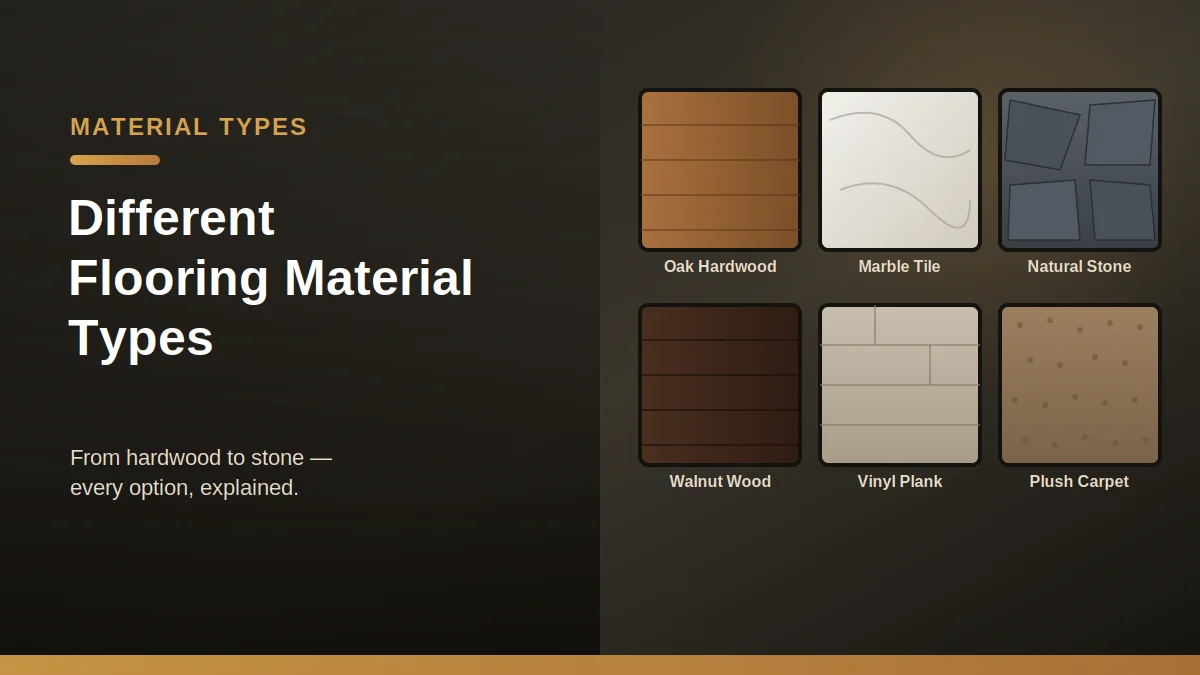
Choosing the right flooring is one of the most important decisions when designing or renovating a home. The flooring you select affects the appearance, comfort, durability, and overall value of your property. Understanding Different Flooring Material Types allows homeowners to compare the advantages and disadvantages of each option before making a final decision. Whether you are upgrading a single room or renovating your entire house, selecting the right flooring can improve both style and functionality for many years.
Today, there are many Different Flooring Material Types available to suit every budget, interior style, and lifestyle. From timeless hardwood flooring to modern luxury vinyl and practical laminate, every material offers unique characteristics. Some flooring options are designed for moisture resistance, while others focus on comfort, durability, or sustainability. This complete UK guide explains everything you need to know so you can confidently choose the perfect flooring material for your home.
What Are Different Flooring Material Types?
Different flooring materials are the various surfaces used to cover floors in residential and commercial buildings. Each material is manufactured with specific features that determine its appearance, strength, maintenance requirements, and lifespan. Understanding Different Flooring Material Types helps homeowners choose flooring that matches the intended use of each room while balancing cost, durability, and visual appeal. Every flooring option has unique qualities that make it suitable for particular environments and household needs.
Flooring materials are generally divided into hard and soft surface categories. Hard flooring includes hardwood, engineered wood, laminate, vinyl, ceramic tiles, porcelain tiles, natural stone, and concrete, while carpets represent the most common soft flooring solution. Some materials prioritise water resistance, whereas others focus on comfort or luxury. Learning about these differences ensures you invest in flooring that performs well while complementing your home’s design.
Different Flooring Material Types Explained
There is an extensive range of Different Flooring Material Types, each designed to meet different practical and decorative requirements. Solid hardwood flooring remains a premium choice because of its timeless beauty, long lifespan, and ability to be refinished multiple times. Engineered wood provides a similar appearance but offers greater stability in areas affected by changing temperatures and humidity. Both options add warmth and sophistication to living rooms, dining rooms, and bedrooms.
Other popular flooring materials include laminate, luxury vinyl, ceramic tiles, porcelain, carpet, bamboo, cork, concrete, and linoleum. Laminate flooring offers an affordable alternative to natural wood, while vinyl flooring is highly resistant to water and wear, making it ideal for kitchens and bathrooms. Eco-friendly materials such as bamboo and cork continue to grow in popularity due to their sustainable production, attractive finishes, and impressive durability for modern homes.
Comparing Different Flooring Material Types
Comparing Different Flooring Material Types allows homeowners to evaluate which option delivers the best combination of style, durability, maintenance, and affordability. Hardwood flooring offers exceptional longevity and premium appearance but usually comes with higher installation costs. Laminate flooring provides a similar visual effect at a lower price, while luxury vinyl combines affordability with outstanding water resistance and minimal maintenance requirements.
Natural stone flooring, including marble, slate, and granite, provides unmatched elegance and long-term durability but often requires periodic sealing and professional installation. Carpet remains a favourite for bedrooms because it delivers warmth, comfort, and noise reduction. By comparing maintenance needs, installation costs, lifespan, moisture resistance, and aesthetic appeal, homeowners can confidently select flooring that suits both their lifestyle and budget.
How to Choose the Right Flooring Material
Choosing the ideal flooring involves more than selecting a design that looks attractive. Every room has different functional requirements based on moisture levels, foot traffic, sunlight exposure, and household activity. Kitchens and bathrooms require waterproof materials, while bedrooms benefit from softer flooring that improves comfort and insulation. Understanding these practical considerations makes it easier to identify the best Different Flooring Material Types for each space.
Budget also plays an important role when selecting flooring. Premium materials such as solid hardwood and natural stone provide long-term value but involve higher upfront costs. More affordable alternatives, including laminate and vinyl flooring, offer excellent performance while remaining budget-friendly. Homeowners should also consider future maintenance, installation expenses, environmental impact, and expected lifespan before making their final decision to ensure lasting satisfaction.
Best Flooring Materials for Different Rooms

Every room within a home has unique flooring requirements based on how the space is used. Living rooms often benefit from hardwood, engineered wood, or laminate flooring because these materials create a warm and welcoming atmosphere while remaining durable enough for everyday use. Bedrooms are commonly fitted with carpets that provide softness, warmth, and additional sound insulation, creating a comfortable environment for relaxation and restful sleep.
Bathrooms, kitchens, and utility rooms demand flooring that can withstand frequent exposure to moisture and spills. Luxury vinyl, ceramic tiles, and porcelain tiles are among the most practical options because they resist water, stains, and everyday wear. Hallways and entrances experience heavy foot traffic, making durable materials such as laminate, stone, or vinyl excellent choices. Selecting room-specific flooring improves both functionality and long-term performance.
Flooring Installation and Maintenance Tips
Installing flooring correctly is just as important as choosing the right material. Even the highest-quality flooring may not perform well if it is installed on an uneven or poorly prepared subfloor. Before installation begins, the existing floor should be clean, dry, and level to ensure a secure and long-lasting finish. Some flooring materials, such as laminate and luxury vinyl, are suitable for experienced DIY enthusiasts, while hardwood, natural stone, and porcelain tiles often require professional installation to achieve the best results.
Regular maintenance helps preserve the beauty and durability of all Different Flooring Material Types. Sweeping, vacuuming, and cleaning with manufacturer-approved products prevent dirt and debris from damaging the surface over time. Homeowners should also protect flooring by using furniture pads, placing mats at entrances, and quickly wiping up spills to avoid staining or moisture damage. With proper care, quality flooring can maintain its appearance and performance for many years.
Common Mistakes When Choosing Flooring Materials
Many homeowners make the mistake of choosing flooring based only on appearance without considering how it will perform in everyday life. A stylish flooring material may not be suitable for rooms exposed to moisture, heavy foot traffic, or pets. Ignoring factors such as durability, maintenance, and water resistance can result in unnecessary repairs and expensive replacements. Understanding the strengths and weaknesses of Different Flooring Material Types helps avoid these costly mistakes.
Another common error is focusing solely on the lowest purchase price rather than long-term value. While budget-friendly flooring may reduce initial costs, premium materials often provide greater durability and require fewer repairs over their lifespan. It is also important to consider installation costs, maintenance requirements, and compatibility with underfloor heating before making a final decision. Investing in the right flooring from the beginning often saves both time and money in the future.
Conclusion
Choosing from the many Different Flooring Material Types available today may seem challenging, but understanding the characteristics of each material makes the decision much easier. Hardwood, engineered wood, laminate, vinyl, carpet, tile, stone, bamboo, cork, and concrete all offer unique benefits depending on the room, budget, and lifestyle. By comparing durability, maintenance requirements, appearance, and installation costs, homeowners can confidently select flooring that enhances both comfort and property value.
The best flooring is one that balances practicality with style while meeting the specific needs of your household. Whether you prioritise waterproof performance for bathrooms, warmth for bedrooms, or durability for busy living spaces, there is a flooring material designed to suit your requirements. Taking the time to research Different Flooring Material Types before purchasing ensures a long-lasting investment that improves your home’s beauty, functionality, and overall value.
Frequently Asked Questions
What are Different Flooring Material Types?
Different Flooring Material Types include hardwood, vinyl, laminate, tiles, carpet, stone, bamboo, and cork flooring.
Which flooring material is best for UK homes?
Hardwood, luxury vinyl, laminate, and porcelain tiles are popular choices for UK homes.
What is the most durable flooring material?
Natural stone and hardwood are among the longest-lasting flooring options available.
Which flooring is best for kitchens and bathrooms?
Vinyl, ceramic tiles, and porcelain tiles are ideal due to their water resistance.
Is vinyl flooring better than laminate flooring?
Vinyl offers better moisture resistance, while laminate provides a realistic wood finish.
Which flooring material is easiest to maintain?
Luxury vinyl, laminate, and tile flooring require minimal cleaning and maintenance.
How do I choose the right flooring material?
Choose based on room usage, budget, durability, maintenance, and design preferences.
Can new flooring increase property value?
Yes, high-quality flooring can improve your home’s appearance and overall value.