
Best Flooring Materials Guide: Compare Flooring Types
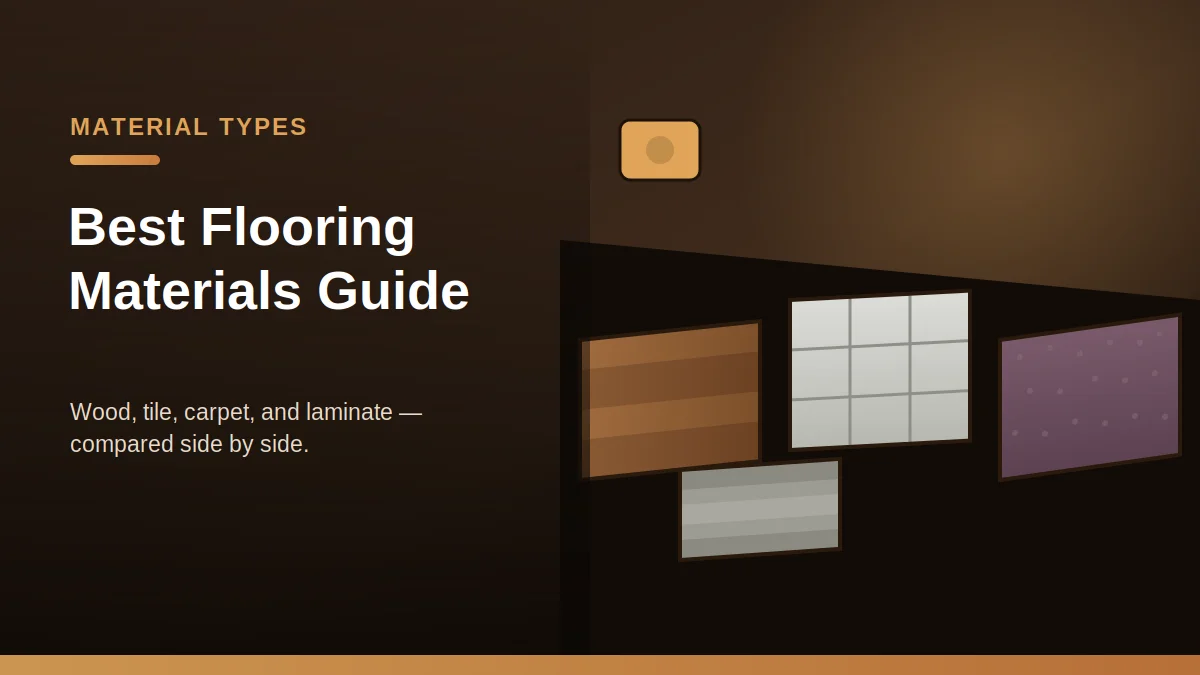
Choosing the right flooring is one of the most important decisions when improving a home. The floor you select influences comfort, durability, maintenance requirements and the overall appearance of every room. A carefully chosen flooring material not only enhances your interior design but also increases the long-term value of your property. This Best Flooring Materials Guide explains the advantages of popular flooring options, helping homeowners compare materials with confidence before making an investment.
Whether you are renovating a single room or planning a complete home makeover, understanding the strengths and weaknesses of each flooring type is essential. Factors such as moisture resistance, foot traffic, installation costs and maintenance all play a role in selecting the ideal floor. Throughout this Best Flooring Materials Guide, you will discover practical advice that makes comparing flooring types easier while ensuring your choice suits your lifestyle, budget and design preferences.
Best Flooring Materials Guide: Understanding Different Flooring Types
Every flooring material offers unique benefits, making it suitable for different rooms and living conditions. Solid hardwood remains one of the most prestigious options because of its timeless beauty, natural warmth and impressive lifespan. Engineered wood provides a similar appearance while offering improved resistance to changes in temperature and humidity. Laminate flooring continues to attract homeowners seeking an affordable solution that combines attractive designs with reliable scratch resistance.
Luxury vinyl flooring has become increasingly popular due to its waterproof construction, exceptional durability and realistic wood or stone finishes. Ceramic and porcelain tiles remain excellent choices for kitchens and bathrooms because they withstand moisture, stains and heavy daily use. Natural stone, bamboo, cork and polished concrete also provide distinctive appearances for homeowners looking to create unique interiors while balancing performance with style.
Best Flooring Materials Guide: How to Choose the Right Flooring Material
Selecting flooring involves far more than choosing a design that looks attractive. Every room has different functional requirements, so understanding how each material performs is essential. Kitchens, bathrooms and utility rooms benefit from waterproof flooring, while living rooms and bedrooms often prioritise comfort and visual appeal. Considering household activities, pets, children and expected wear helps narrow your options before making a final decision.
Budget should also influence your flooring choice without becoming the only deciding factor. Lower-cost materials such as laminate and vinyl can provide excellent durability when installed correctly, while premium materials like hardwood and natural stone offer exceptional longevity and property value. Following the advice in this Best Flooring Materials Guide helps homeowners achieve the perfect balance between affordability, performance and long-term satisfaction.
Best Flooring Materials Guide: Best Flooring Materials for Every Room
Different rooms place different demands on flooring, making careful material selection essential. Kitchens require surfaces that resist spills, stains and frequent cleaning, while bathrooms need excellent water resistance and slip protection. Luxury vinyl and porcelain tiles perform exceptionally well in these environments because they combine durability with low maintenance, making them practical choices for busy households across the UK.
Living rooms and dining areas often benefit from hardwood or engineered wood flooring because these materials create a welcoming atmosphere while adding elegance to the home. Bedrooms frequently feature carpet for added warmth and comfort, although engineered wood and laminate remain popular alternatives for homeowners seeking easier maintenance. Choosing room-specific flooring ensures better performance and extends the lifespan of your investment.
Best Flooring Materials Guide: Comparing Popular Flooring Options
Comparing flooring materials allows homeowners to identify which option offers the best combination of appearance, durability and cost. Hardwood delivers timeless character and excellent resale value but requires regular care to maintain its beauty. Engineered wood provides greater stability in changing temperatures, while laminate offers an affordable solution with convincing wood-effect finishes that suit many modern interiors.
Luxury vinyl flooring continues to outperform many traditional materials in busy family homes because it combines waterproof protection with outstanding scratch resistance. Ceramic and porcelain tiles remain highly durable and ideal for wet environments, while natural stone creates a luxurious appearance with unique textures and patterns. This Best Flooring Materials Guide highlights these comparisons to help homeowners make informed decisions based on practical needs rather than appearance alone.
Best Flooring Materials Guide: Flooring Costs and Long-Term Value

The cost of flooring varies depending on the material, installation method and the size of the area being renovated. Laminate and vinyl flooring are generally among the most affordable options, making them suitable for homeowners working within a limited budget. Hardwood and natural stone usually involve a higher initial investment, but their durability and timeless appeal often justify the additional expense over many years of use.
Looking beyond the purchase price is essential when comparing flooring materials. Maintenance costs, expected lifespan and future repair requirements all influence the true value of your investment. High-quality flooring that lasts for decades can prove more economical than replacing cheaper materials every few years. This Best Flooring Materials Guide recommends evaluating long-term value rather than focusing solely on the initial installation cost.
Best Flooring Materials Guide: Advantages and Disadvantages of Each Flooring Material
Every flooring material comes with its own strengths and limitations, making it important to compare them carefully before making a decision. Hardwood flooring offers unmatched natural beauty and excellent resale value, but it requires regular maintenance and is vulnerable to moisture damage. Laminate flooring provides an affordable alternative with impressive scratch resistance, although prolonged exposure to water can reduce its lifespan.
Luxury vinyl flooring combines waterproof performance with outstanding durability, making it an excellent choice for busy households with children or pets. Ceramic and porcelain tiles are extremely hard-wearing and simple to maintain, but they can feel cold underfoot during winter months. Natural stone creates a premium appearance that few other materials can match, although it usually requires periodic sealing to preserve its finish and protect against staining.
Best Flooring Materials Guide: Flooring Trends for UK Homes in 2026
Modern flooring trends continue to focus on combining practicality with stylish design. Natural wood finishes, wider planks and soft neutral colours remain popular because they complement a wide range of interior styles. Waterproof flooring continues to gain popularity among homeowners who want durable surfaces that require very little maintenance while maintaining an elegant appearance throughout the home.
Sustainability is becoming an increasingly important consideration for UK homeowners. Renewable materials such as bamboo and cork offer environmentally friendly alternatives without compromising quality or durability. Recycled flooring products and low-emission manufacturing processes are also influencing buying decisions, making eco-conscious flooring an important trend highlighted throughout this Best Flooring Materials Guide.
Best Flooring Materials Guide: Common Flooring Mistakes to Avoid
One of the most common mistakes homeowners make is selecting flooring based purely on appearance rather than practicality. A beautiful floor may not perform well in high-moisture areas or busy family homes if it lacks sufficient durability. Understanding the specific demands of each room helps prevent expensive replacements and unnecessary maintenance issues in the future.
Another frequent mistake is overlooking professional installation and proper subfloor preparation. Even the highest-quality flooring materials can fail prematurely if installed incorrectly. Ignoring manufacturer recommendations or choosing unsuitable underlay may reduce comfort and shorten the lifespan of your flooring. Careful planning and expert installation ensure your investment delivers the expected performance for many years.
Best Flooring Materials Guide: Flooring Installation and Maintenance Tips
Correct installation forms the foundation of long-lasting flooring performance. Preparing a clean, level and dry subfloor ensures that every flooring material performs as intended. Professional installers also help prevent common issues such as uneven joints, movement or premature wear, particularly when fitting hardwood, engineered wood and tile flooring throughout larger living spaces.
Routine maintenance keeps flooring looking attractive while extending its lifespan. Sweeping and vacuuming regularly removes dirt that can cause scratches, while using manufacturer-approved cleaning products protects the surface finish. Placing protective pads beneath furniture and using entrance mats reduces unnecessary wear, allowing your chosen flooring to remain in excellent condition for many years.
Conclusion
Choosing the right flooring requires balancing appearance, durability, maintenance and budget to achieve the best long-term results. Every material offers unique benefits, whether you prefer the timeless elegance of hardwood, the affordability of laminate, the waterproof reliability of luxury vinyl or the exceptional durability of porcelain tiles. Understanding these differences makes it easier to invest confidently in flooring that complements your home and lifestyle.
This Best Flooring Materials Guide has explored the most popular flooring options, their advantages, ideal room applications and long-term value. By comparing flooring types carefully and considering your household’s specific needs, you can select a floor that delivers lasting comfort, style and performance. A well-informed decision today will provide years of satisfaction while enhancing both the beauty and value of your property.
Frequently Asked Questions
What is the best flooring material for UK homes?
Luxury vinyl, engineered wood and porcelain tiles are among the best choices for most UK homes.
Which flooring material lasts the longest?
Natural stone, porcelain tiles and solid hardwood can last for decades with proper care.
What is the most durable flooring for high-traffic areas?
Luxury vinyl and porcelain tiles are highly durable and ideal for busy areas.
Which flooring is best for kitchens and bathrooms?
Luxury vinyl, ceramic tiles and porcelain tiles are excellent waterproof options.
Is luxury vinyl flooring better than laminate?
Luxury vinyl is more waterproof, while laminate is usually more budget-friendly.
Which flooring offers the best value for money?
Engineered wood, luxury vinyl and quality laminate provide excellent long-term value.
Which flooring is easiest to maintain?
Luxury vinyl and porcelain tiles are the easiest flooring materials to clean and maintain.
Which flooring adds the most value to a property?
Solid hardwood flooring typically adds the greatest value to a home.
How much does flooring installation cost in the UK?
Costs vary depending on the flooring type, room size and installation complexity.
How do I choose the right flooring for each room?
Choose flooring based on the room’s moisture levels, usage, budget and maintenance needs.