
Different Roofing Material Types: Complete UK Guide
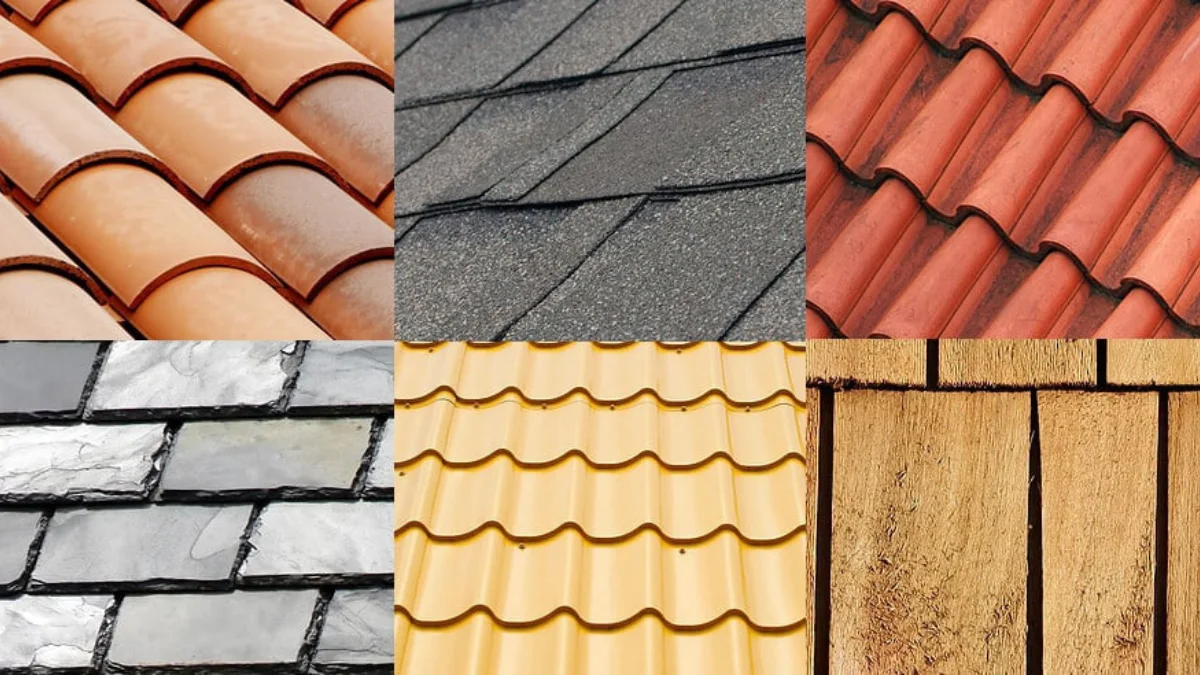
Choosing the right roofing material is one of the most important decisions for any homeowner. Your roof protects your property from harsh weather, improves energy efficiency and adds value to your home. Understanding Different Roofing Material Types allows you to compare the strengths and weaknesses of each option before making a long-term investment. Whether you are building a new house or replacing an old roof, selecting the correct material can save money and reduce maintenance costs over time.
The UK offers a wide variety of roofing materials, each designed to suit different property styles, budgets and weather conditions. From traditional slate and clay tiles to modern metal roofing and flat roof systems, every option provides unique benefits. This guide explores Different Roofing Material Types in detail, helping you understand their durability, appearance, lifespan and suitability for various homes. By the end of this article, you will feel more confident when choosing the ideal roofing solution.
What Are Different Roofing Material Types?
Different Roofing Material Types refer to the various materials used to construct residential and commercial roofs. These materials differ in terms of durability, cost, maintenance requirements and overall appearance. Every roofing material is designed to perform under specific conditions, making it essential to choose one that suits your local climate and the architectural style of your property. Understanding these differences helps homeowners make practical and cost-effective decisions.
The choice of roofing material also influences energy efficiency, insulation and property value. Some materials provide exceptional longevity with minimal maintenance, while others are more affordable but require regular care. Homeowners should compare lifespan, weather resistance, installation costs and aesthetic appeal before making a decision. Selecting the right roofing material ensures your roof remains reliable and attractive for many years.
Popular Different Roofing Material Types Explained
Slate roofing remains one of the most prestigious roofing materials available. Its natural stone appearance adds timeless character to traditional and modern homes alike. Slate is highly resistant to fire, heavy rain and strong winds, making it particularly suitable for the unpredictable British climate. Although the initial installation cost is relatively high, its remarkable lifespan often makes it an excellent long-term investment.
Clay and concrete roof tiles continue to be popular across the UK due to their durability and classic appearance. Clay tiles provide outstanding colour retention and weather resistance, while concrete tiles offer a more budget-friendly alternative with similar performance. Metal roofing has also gained popularity because it is lightweight, recyclable and capable of lasting several decades with very little maintenance. Asphalt shingles remain an affordable solution for many homeowners seeking reliable performance at a lower cost.
Flat Roofing Material Types
Flat roofs require specialised materials that provide outstanding waterproof protection and long-lasting durability. Unlike pitched roofs, flat roofing systems rely on seamless membranes and advanced materials to prevent water penetration. Modern flat roofing options are designed to withstand changing weather conditions while requiring relatively little maintenance. They are commonly used on extensions, garages, commercial buildings and contemporary homes throughout the UK.
EPDM rubber roofing has become one of the most trusted flat roofing solutions because of its flexibility and impressive lifespan. GRP fibreglass roofing offers a smooth, seamless finish that resists cracking and leaks. Felt roofing remains a cost-effective choice for smaller projects, while PVC membranes and liquid roofing systems provide excellent weather resistance and easy repairs. Each material has unique advantages depending on your budget, property type and maintenance preferences.
Pros and Cons of Different Roofing Material Types
Every roofing material comes with its own advantages and disadvantages, making it important to compare options before making a decision. Slate roofing offers exceptional durability and a premium appearance but usually costs more than other materials. Clay tiles provide excellent weather resistance and timeless appeal, although they require a strong roof structure because of their weight.
Metal roofing is lightweight, energy efficient and highly resistant to corrosion, making it ideal for modern homes. However, without proper insulation it can produce more noise during heavy rain. Asphalt shingles are affordable and easy to install but generally have a shorter lifespan than slate or metal roofing. Understanding the strengths and limitations of Different Roofing Material Types helps homeowners choose the most suitable solution for their property.
Roofing Material Lifespan Comparison

The lifespan of a roof depends largely on the material selected, installation quality and ongoing maintenance. Natural slate is widely recognised as one of the longest-lasting roofing materials, often exceeding one hundred years with proper care. Clay tiles also provide excellent longevity, frequently lasting seventy years or more while maintaining their attractive appearance.
Concrete tiles usually perform well for around fifty years, whereas metal roofing can remain in excellent condition for forty to seventy years depending on the material. Asphalt shingles typically offer a lifespan of twenty to thirty years, making them suitable for homeowners seeking an economical solution. Routine inspections and timely repairs help maximise the lifespan of every roofing system.
Roofing Material Cost Comparison
Roofing costs vary according to the material, labour requirements and complexity of installation. Asphalt shingles generally represent the most affordable option, making them popular among homeowners working within a limited budget. Concrete roof tiles also provide excellent value by balancing durability with reasonable installation costs.
Premium roofing materials such as slate, copper and zinc require a larger initial investment but often reduce long-term maintenance and replacement expenses. While the upfront price may seem higher, these materials frequently deliver better value over several decades. Comparing lifetime costs rather than installation costs alone allows homeowners to make smarter financial decisions.
How to Choose the Best Roofing Material
Selecting the right roofing material begins with understanding your property’s needs and your long-term goals. Consider your available budget, the architectural style of your home and the local weather conditions before making a decision. Homes exposed to strong winds or heavy rainfall require materials with excellent durability and weather resistance to ensure long-lasting performance.
It is equally important to think about maintenance requirements, energy efficiency and future repair costs. Some homeowners prioritise visual appeal, while others focus on sustainability or longevity. Consulting an experienced roofing contractor can help you compare Different Roofing Material Types and choose the option that provides the best balance between cost, durability and appearance.
Best Roofing Materials for UK Homes
The UK’s varied climate means roofing materials must perform well in heavy rain, strong winds and seasonal temperature changes. Natural slate remains one of the best choices for traditional British homes because of its durability and classic appearance. Clay and concrete roof tiles also continue to be popular due to their strength and ability to complement a wide variety of property styles.
Modern homes often benefit from metal roofing, which combines sleek aesthetics with outstanding weather resistance and energy efficiency. Flat roof properties commonly use EPDM rubber or GRP fibreglass because these materials create reliable waterproof barriers with minimal maintenance. Choosing the right roofing material ensures long-lasting protection and improved property value.
Common Mistakes When Choosing Roofing Materials
Many homeowners make the mistake of choosing roofing materials based solely on price without considering long-term performance. While lower-cost materials may reduce initial expenses, they can require more frequent repairs or earlier replacement, increasing the overall cost of ownership. Looking beyond the purchase price helps achieve better value over the life of the roof.
Another common mistake is overlooking local climate conditions or hiring inexperienced installers. Even the highest-quality roofing material can fail if it is installed incorrectly. Selecting certified roofing professionals and choosing materials suitable for your property’s location significantly improves durability, safety and long-term performance.
Roofing Material Maintenance Tips
Regular maintenance plays a vital role in extending the lifespan of any roofing system. Homeowners should inspect their roofs at least twice a year and after severe storms to identify cracked tiles, loose flashing or damaged sections. Clearing leaves, moss and debris from the roof and gutters also prevents water from pooling and causing structural damage.
Small repairs should never be delayed because minor issues can quickly become expensive problems if ignored. Professional roof inspections every few years provide additional peace of mind and help identify hidden damage before it worsens. Proper maintenance protects your investment and keeps your roof performing efficiently throughout its lifespan.
Conclusion
Choosing between Different Roofing Material Types requires careful consideration of durability, appearance, maintenance requirements and long-term costs. Every roofing material offers unique advantages, whether you prefer the timeless elegance of slate, the affordability of asphalt shingles or the modern performance of metal roofing. Understanding these differences makes it easier to select a roof that suits both your home and your budget.
Investing in the right roofing material is an investment in the future of your property. By comparing the available options and seeking professional advice where necessary, you can enjoy a roof that provides reliable protection, improves energy efficiency and enhances kerb appeal for many years. Taking the time to choose wisely ensures lasting value and greater peace of mind.
Frequently Asked Questions
What are the most common Different Roofing Material Types?
The most common types include slate, clay tiles, concrete tiles, metal roofing, asphalt shingles, EPDM rubber and GRP fibreglass.
Which roofing material lasts the longest?
Natural slate is the longest-lasting roofing material, often lasting over 100 years.
What is the most affordable roofing material?
Asphalt shingles are generally the most affordable roofing option.
Which roofing material is best for UK weather?
Slate, clay tiles and metal roofing are excellent choices for the UK’s changing weather.
How do I choose the right roofing material?
Choose a roofing material based on your budget, climate, property style and maintenance needs.