
Best Roofing Materials Guide: Compare Top Options (2026)
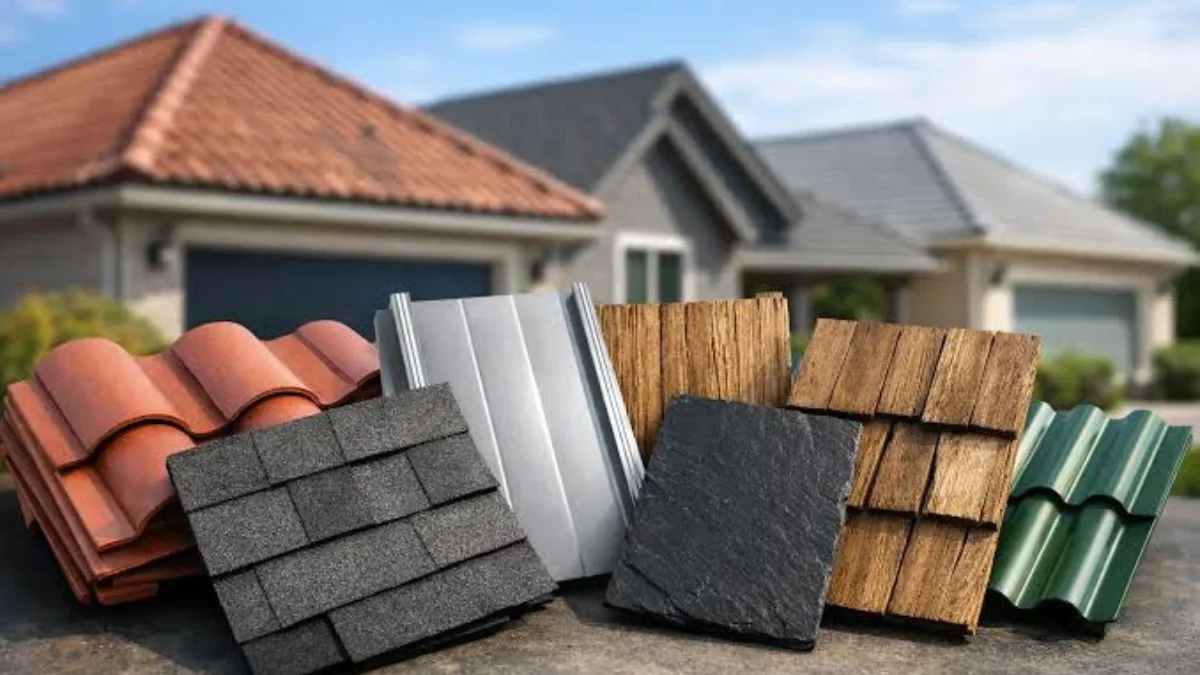
Choosing the right roof is one of the most important decisions for any homeowner because it protects your property from weather damage, improves energy efficiency, and enhances its overall appearance. With many roofing materials available today, selecting the best option can become confusing. This Best Roofing Materials Guide explains the most popular roofing materials, their advantages, disadvantages, costs, and suitability for different types of homes.
A well-designed roof is not only about appearance but also about long-term performance. Factors such as durability, maintenance requirements, climate conditions, budget, and property style all influence the final decision. Whether you are replacing an old roof or planning a new building project, understanding different roofing materials will help you make a smarter investment.
Why Choosing the Right Roofing Material Matters
The roofing material you choose directly affects your home’s protection, maintenance needs, and future expenses. A high-quality roof can withstand heavy rain, strong winds, temperature changes, and other environmental challenges while maintaining its appearance for many years. Choosing unsuitable materials may result in frequent repairs, higher maintenance costs, and reduced property value.
Every home has different requirements, which means there is no single roofing material that works perfectly for everyone. Some homeowners prefer affordable options with lower installation costs, while others choose premium materials for longer lifespan and improved kerb appeal. This Best Roofing Materials Guide helps homeowners understand these differences before making a final choice.
Popular Roofing Materials Compared
There are many types of roofing materials available, including asphalt shingles, metal roofing, slate, clay tiles, concrete tiles, and synthetic alternatives. Each material provides different levels of durability, appearance, and cost. Understanding these differences allows homeowners to select a roofing solution that matches their specific needs.
Asphalt shingles are among the most popular roofing choices because they are affordable, easy to install, and available in various colours and designs. Metal roofing is becoming increasingly popular due to its strength, energy efficiency, and long lifespan. Premium options such as slate and clay tiles offer exceptional durability and a traditional appearance but usually require a higher initial investment.
Asphalt Shingles: Affordable and Practical Roofing
Asphalt shingles are widely used because they offer an excellent balance between affordability and performance. They are suitable for many residential properties and provide reliable protection against common weather conditions. Their lightweight design makes installation easier, reducing labour costs compared with heavier roofing materials.
Although asphalt shingles are cost-effective, their lifespan is generally shorter than premium materials such as slate or metal roofing. Most asphalt roofs last between 20 and 30 years depending on installation quality and maintenance. For homeowners looking for a practical and budget-friendly solution, asphalt shingles remain one of the best roofing options available.
Metal Roofing: Durable and Energy Efficient
Metal roofing has become a popular choice for homeowners who want a strong and long-lasting roof. Materials such as steel, aluminium, and copper provide excellent resistance against rain, wind, fire, and extreme temperatures. A properly installed metal roof can last between 40 and 70 years, making it a valuable long-term investment.
Another major advantage of metal roofing is energy efficiency. Reflective metal surfaces can help reduce heat absorption during warmer months, potentially lowering cooling costs. Although the initial cost may be higher than asphalt shingles, the durability, low maintenance, and extended lifespan make metal roofing an attractive option.
Slate Roofing: Premium Long-Term Protection

Slate roofing is considered one of the most durable and elegant roofing materials available. Known for its natural beauty and exceptional strength, slate can last more than 100 years when properly installed and maintained. It is commonly used on luxury homes, historic buildings, and properties where appearance and longevity are important.
The main disadvantage of slate roofing is its higher cost and weight. Because slate tiles are heavy, some buildings may require additional structural support before installation. However, for homeowners seeking a premium roofing solution with unmatched lifespan and timeless style, slate remains one of the best choices.
Clay and Concrete Roof Tiles
Clay and concrete tiles are popular roofing materials that combine durability with attractive designs. Clay tiles provide a traditional appearance and excellent resistance to heat, making them suitable for warmer climates. They are also highly durable and can last several decades with proper care.
Concrete tiles offer similar benefits at a more affordable price. They are strong, weather-resistant, and available in many styles that can complement different architectural designs. However, both clay and concrete tiles are heavier than some alternatives, so homeowners should ensure their roof structure can support the additional weight.
Synthetic Roofing Materials
Synthetic roofing materials have gained popularity because they provide the appearance of natural materials while offering improved affordability and easier installation. These products can replicate the look of slate, wood, or clay tiles while being lighter and often more resistant to damage.
Composite and synthetic roofing options are ideal for homeowners who want a premium appearance without the higher cost and maintenance requirements of traditional materials. Many modern synthetic products are designed to provide excellent durability, weather resistance, and energy performance.
Factors to Consider When Choosing Roofing Materials
Selecting the best roofing material requires careful consideration of several important factors. The first factor is your budget because roofing costs can vary significantly depending on the material, installation complexity, and property size. However, homeowners should also consider long-term expenses such as repairs and replacement.
Climate is another important consideration. Homes exposed to heavy rainfall, strong winds, or temperature changes require roofing materials that can withstand challenging conditions. The architectural style of your property, maintenance expectations, and energy efficiency goals should also influence your decision.
Roofing Maintenance Tips for Long-Term Performance
Regular maintenance is essential for extending the lifespan of any roofing material. Homeowners should inspect their roofs regularly, clean gutters, remove debris, and check for signs of damage such as missing tiles or leaks. Early detection of problems can prevent expensive repairs in the future.
Different roofing materials require different maintenance levels. Metal roofing generally needs minimal maintenance, while wood and traditional materials may require additional treatments. Following manufacturer recommendations and arranging professional inspections can help ensure your roof continues performing effectively.
Conclusion
Choosing the right roofing material requires a balance between cost, durability, appearance, and long-term performance. From affordable asphalt shingles to premium slate and modern metal roofing, each option offers unique advantages for different homeowners. This Best Roofing Materials Guide provides essential information to help you compare materials and select the right solution for your property.
Investing in quality roofing materials can improve your home’s protection, energy efficiency, and overall value. By considering your budget, local climate, maintenance requirements, and property style, you can choose a roof that provides reliable performance for many years.
Frequently Asked Questions
What is the best roofing material for UK homes?
The best option depends on your budget, location, and property style.
Which roofing material lasts the longest?
Natural slate can last over 100 years with proper maintenance.
Is metal roofing a good choice?
Yes, metal roofing is durable, energy-efficient, and long-lasting.
What is the cheapest roofing material?
Asphalt shingles are one of the most affordable roofing options.
Which roofing material requires the least maintenance?
Metal and synthetic roofing usually require minimal maintenance.
Which roofing material is best for heavy rain?
Metal, slate, and concrete tiles perform well in rainy conditions.
Are synthetic roofing materials worth considering?
Yes, they offer durability and a stylish appearance at a lower cost.
How often should a roof be inspected?
A roof should be checked yearly and after severe weather.
Can roofing materials improve energy efficiency?
Yes, modern materials can improve insulation and reduce energy costs.
How do I choose a roofing contractor?
Choose an experienced contractor with reviews, insurance, and warranties.