
Home Building Safety Standards: Complete UK Guide 2026
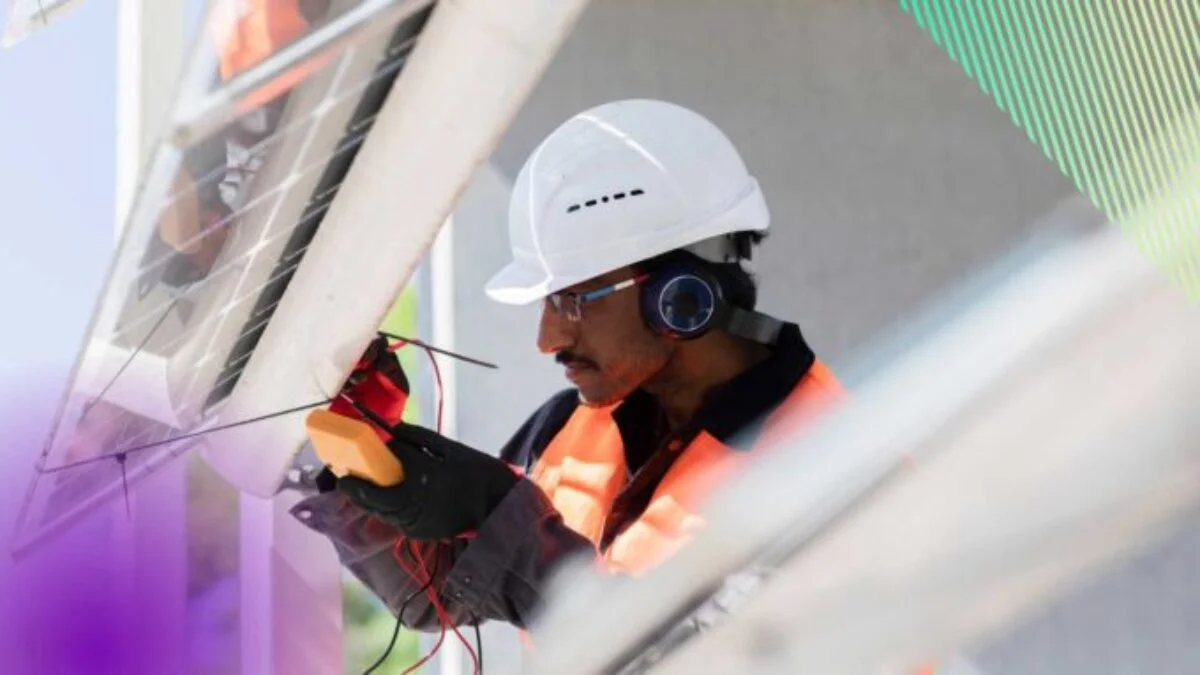
Home Building Safety Standards are the foundation of safe, durable, and legally compliant homes across the UK. Whether you are building a new property, extending an existing home, or carrying out major renovations, understanding these standards is essential. They help protect occupants, improve construction quality, and ensure buildings meet current legal requirements. By following recognised safety regulations, homeowners can enjoy greater peace of mind while reducing the likelihood of costly repairs and future compliance issues.
Modern construction has evolved significantly, making safety more important than ever. From structural strength and fire protection to electrical systems and energy efficiency, every aspect of a property should meet approved regulations. This guide explains the key areas of Home Building Safety Standards and why they remain a priority for homeowners, builders, developers, and property investors throughout the UK.
What Are Home Building Safety Standards?
Home Building Safety Standards refer to the regulations, guidelines, and construction practices designed to ensure residential properties are safe, reliable, and suitable for long-term occupation. These standards cover every stage of a building project, including planning, design, construction, inspections, and maintenance. Their primary purpose is to reduce hazards while protecting both the people living in the property and the building itself.
By following Home Building Safety Standards, builders can create homes that withstand changing weather conditions, resist structural damage, and provide safe living environments. Compliance also improves property value and helps owners avoid legal complications that may arise from poor construction practices. Meeting recognised standards demonstrates a commitment to quality, safety, and responsible building.
UK Building Regulations and Safety Requirements
The UK has comprehensive building regulations that establish the minimum standards for construction work. These regulations ensure every new home, extension, or significant renovation is completed safely and responsibly. Building regulations cover structural integrity, fire protection, electrical installations, ventilation, drainage, accessibility, and energy efficiency, ensuring all essential elements work together to create a secure home.
Recent legislative changes have further strengthened building safety across the country. Developers, contractors, and homeowners must ensure projects comply with the latest requirements throughout every stage of construction. Building control inspections, completion certificates, and professional approvals help confirm that properties satisfy Home Building Safety Standards before they are occupied.
Structural Safety and Strong Foundations
Every safe home begins with solid foundations and carefully engineered structural components. Foundations must support the entire weight of the building while remaining stable despite changing soil conditions and weather patterns. Load-bearing walls, roof structures, floors, and supporting beams all contribute to the long-term stability of a property and must be designed using recognised engineering principles.
Structural safety also requires the use of high-quality building materials and skilled workmanship. Even small construction errors can affect the durability of a property over time. Following Home Building Safety Standards ensures buildings remain resilient against everyday wear, environmental pressures, and extreme weather events, helping homeowners avoid expensive repairs and structural failures.
Fire Safety in Residential Buildings
Fire safety remains one of the most important elements of modern construction. Effective fire protection includes installing smoke alarms, using fire-resistant building materials, providing clearly marked escape routes, and fitting suitable fire doors where required. These features work together to reduce the spread of fire and provide occupants with valuable time to leave the property safely during an emergency.
Careful planning during the construction phase also improves long-term fire safety. Proper compartmentation, safe electrical installations, and compliant heating systems significantly reduce fire risks. By meeting Home Building Safety Standards, homeowners can protect their families while ensuring their property satisfies current UK fire safety regulations and building requirements.
Electrical, Gas and Plumbing Safety

Safe electrical installations are essential in every modern home. Wiring, sockets, consumer units, and lighting systems should always be installed by qualified professionals and tested before use. Regular inspections help identify damaged wiring or overloaded circuits before they become serious hazards, reducing the risk of electric shocks and house fires.
Gas and plumbing systems require the same level of professional attention. Correctly installed boilers, gas appliances, water pipes, and drainage systems improve efficiency while protecting occupants from leaks, carbon monoxide exposure, and water damage. Maintaining these systems according to Home Building Safety Standards supports healthier, safer homes throughout their lifespan.
Ventilation, Indoor Air Quality and Healthy Living
Good ventilation is an essential part of a healthy home. Fresh air circulation removes excess moisture, reduces condensation, and helps prevent mould growth, creating a more comfortable indoor environment. Proper ventilation systems also improve overall air quality by reducing pollutants, allergens, and unpleasant odours that can accumulate inside modern, well-insulated properties.
Building regulations increasingly recognise the importance of indoor environmental quality. Mechanical ventilation systems, extractor fans, and carefully designed airflow all contribute to healthier living conditions. Incorporating these features into Home Building Safety Standards benefits both the physical condition of the property and the wellbeing of everyone living inside.
Accessibility and Inclusive Home Design
Modern homes should be practical and accessible for people of all ages and abilities. Features such as wider doorways, level entrances, accessible bathrooms, and easy-to-use layouts make everyday living more convenient while supporting individuals with reduced mobility. Inclusive design benefits families, older adults, and anyone planning for future accessibility needs.
Designing accessibility into a property from the beginning is often more cost-effective than making major structural alterations later. Homes built with inclusive features are generally more adaptable, increasing their long-term value and usability. Following Home Building Safety Standards helps ensure every property remains functional and welcoming for a wider range of occupants.
Energy Efficiency and Sustainable Construction
Energy-efficient homes are safer, more comfortable, and more economical to operate. High-quality insulation, efficient windows, modern heating systems, and sustainable building materials reduce heat loss while lowering household energy bills. These improvements also help reduce environmental impact, making modern homes both practical and environmentally responsible.
Sustainable construction goes beyond reducing energy consumption. Durable materials, responsible waste management, and environmentally friendly building techniques contribute to healthier homes and longer-lasting structures. Combining sustainability with Home Building Safety Standards allows homeowners to enjoy reliable, efficient properties that meet current expectations for environmental performance.
Common Building Safety Mistakes to Avoid
Ignoring building regulations remains one of the most common and expensive mistakes made during construction projects. Failing to obtain approvals, skipping inspections, or using unsuitable materials can lead to legal complications, reduced property value, and significant safety risks. Careful planning from the outset helps avoid these unnecessary problems.
Another frequent mistake is employing unqualified contractors to reduce costs. Poor workmanship often results in structural weaknesses, faulty electrical systems, plumbing defects, or inadequate fire protection. Choosing experienced professionals who understand Home Building Safety Standards provides better long-term value while ensuring construction meets recognised quality and safety expectations.
Maintaining Home Building Safety Standards
Building safety does not end once construction is complete. Regular maintenance helps preserve the condition of a property while identifying developing issues before they become serious. Routine inspections of roofs, foundations, electrical systems, plumbing, heating equipment, and ventilation improve reliability and reduce unexpected repair costs over time.
Homeowners should also maintain smoke alarms, carbon monoxide detectors, fire extinguishers, and emergency escape routes. Keeping maintenance records and arranging periodic professional inspections demonstrates responsible property ownership while supporting continued compliance with Home Building Safety Standards throughout the life of the home.
Conclusion
Home Building Safety Standards are essential for creating secure, durable, and legally compliant homes throughout the UK. They cover every aspect of residential construction, from structural strength and fire protection to ventilation, accessibility, energy efficiency, and ongoing maintenance. Following these standards helps protect occupants while improving property quality and long-term value.
Whether you are planning a new build, renovating an existing property, or maintaining your family home, understanding Home Building Safety Standards is a worthwhile investment. Working with qualified professionals, following current building regulations, and carrying out regular maintenance will ensure your home remains safe, efficient, and comfortable for many years to come.
Frequently Asked Questions
What are Home Building Safety Standards?
They are regulations and guidelines that ensure homes are built safely and comply with UK building requirements.
Why are Home Building Safety Standards important?
They improve occupant safety, construction quality, legal compliance, and long-term property value.
Do all new homes have to meet UK building regulations?
Yes, new homes and major building projects must comply with current UK building regulations.
What does the Building Safety Act aim to achieve?
It strengthens building safety, accountability, and compliance for residential developments.
How often should home safety checks be completed?
Regular inspections of electrical, gas, fire safety, and structural elements are recommended.
Does Home Building Safety Standards include fire protection?
Yes, fire safety is a core requirement covering alarms, escape routes, and fire-resistant materials.
Can older homes be upgraded to modern safety standards?
Yes, many older properties can be improved through professional renovations and safety upgrades.
Who is responsible for complying with Home Building Safety Standards?
Homeowners, builders, developers, landlords, and contractors all have responsibilities for ensuring compliance.