
Energy Efficient Kitchen Appliances: Best Energy-Saving Picks for Every Home (2026 Guide)
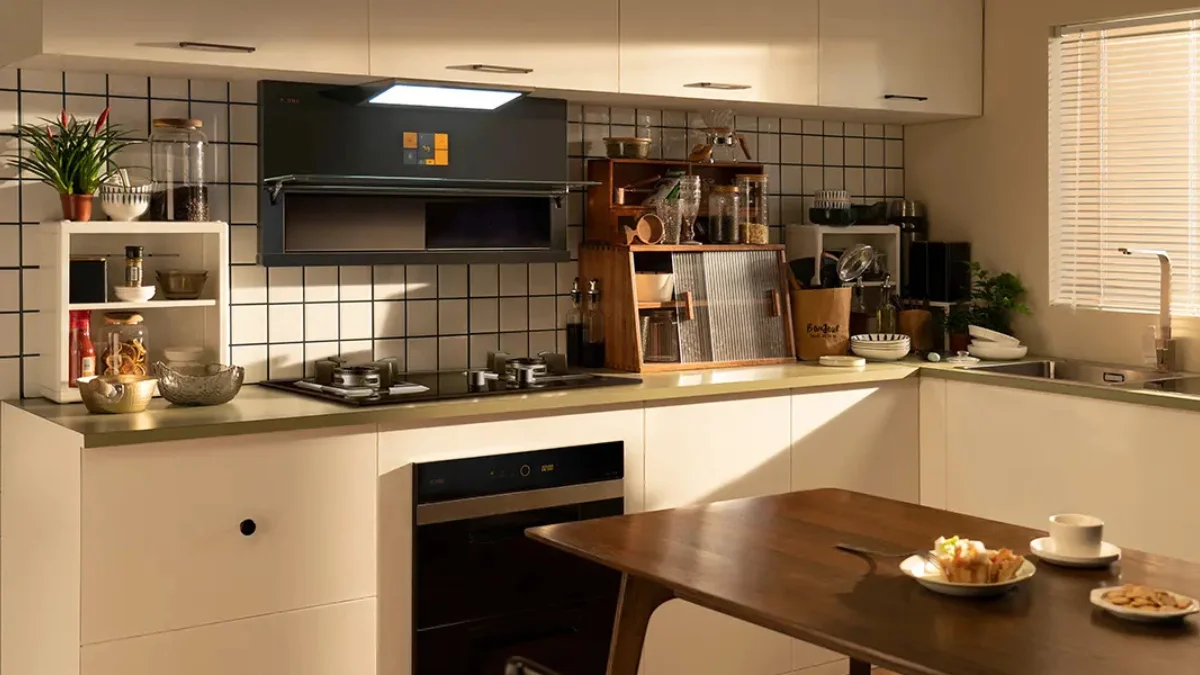
Energy Efficient Kitchen Appliances have become an essential choice for homeowners who want to reduce electricity costs while creating a more sustainable home. Modern kitchens are no longer judged only by their appearance, as efficiency and performance now play an equally important role. Whether you are renovating your kitchen or replacing older equipment, choosing appliances that consume less energy can make a noticeable difference to your monthly household expenses and environmental impact.
From refrigerators and dishwashers to induction hobs and air fryers, today’s Energy Efficient Kitchen Appliances combine advanced technology with practical functionality. They are designed to use electricity more effectively without compromising cooking, cooling, or cleaning performance. This guide explains everything you need to know about selecting energy-saving appliances that provide excellent value, improved convenience, and long-term savings for every household.
What Are Energy Efficient Kitchen Appliances?
Energy Efficient Kitchen Appliances are specially designed to perform everyday kitchen tasks while using significantly less electricity and water than conventional models. Manufacturers achieve this by incorporating innovative technologies such as inverter compressors, intelligent sensors, improved insulation, and advanced heating systems. These features ensure appliances deliver excellent performance while reducing unnecessary energy consumption throughout their lifetime.
Most modern appliances display recognised energy labels that allow consumers to compare efficiency levels before making a purchase. Higher-rated products generally cost less to operate over the years, making them a smart investment for both homeowners and landlords. Choosing appliances with excellent energy ratings not only reduces utility bills but also supports a greener lifestyle by lowering household carbon emissions.
Benefits of Choosing Energy Efficient Kitchen Appliances
One of the greatest advantages of investing in Energy Efficient Kitchen Appliances is the opportunity to lower monthly electricity bills. Appliances that consume less power help households manage energy costs more effectively without sacrificing convenience or performance. Although some models require a slightly higher initial investment, their reduced operating costs often provide considerable savings throughout their lifespan.
Another important benefit is their positive environmental contribution. Reduced electricity consumption means fewer carbon emissions and less pressure on natural resources. Many energy-efficient appliances also operate more quietly, require less maintenance, and include smart features that improve everyday usability. This combination of efficiency, reliability, and sustainability makes them an excellent choice for modern kitchens.
Best Energy Efficient Kitchen Appliances for Every Home
Several kitchen appliances stand out for their outstanding energy performance. Refrigerators with inverter technology maintain consistent cooling while using less electricity, whereas induction hobs transfer heat directly into cookware for faster and more efficient cooking. Modern dishwashers, electric ovens, and microwave ovens also include eco-friendly programmes that minimise energy and water consumption without affecting cleaning or cooking quality.
Smaller appliances contribute to household efficiency as well. Air fryers use rapid hot air circulation to prepare meals using less electricity than conventional ovens, while electric kettles boil water quickly with minimal energy waste. Pressure cookers, slow cookers, and multi-cookers further reduce cooking times and electricity usage, making them valuable additions to an energy-conscious kitchen.
How to Choose the Best Energy Efficient Kitchen Appliances
Selecting the right Energy Efficient Kitchen Appliances begins with understanding your household’s daily requirements. Buying appliances that are too large often leads to unnecessary electricity consumption, while choosing models that are too small may result in frequent use and reduced efficiency. Consider your family size, cooking habits, kitchen space, and budget before making a final decision to ensure the appliance meets both your practical and financial needs.
Energy labels should always be compared carefully before purchasing any appliance. Look beyond the purchase price and consider annual energy consumption, expected running costs, warranty cover, and available smart features. Investing in a reliable appliance from a trusted manufacturer may cost more initially, but it usually delivers better durability, lower maintenance costs, and greater savings over many years.
Smart Features That Improve Kitchen Energy Efficiency

Modern technology has transformed Energy Efficient Kitchen Appliances by introducing intelligent features that automatically reduce electricity usage. Inverter technology adjusts compressor speeds according to demand, preventing unnecessary power consumption. Eco modes optimise washing, cooling, and cooking cycles, while automatic sensors detect load sizes and temperatures to ensure every appliance operates as efficiently as possible.
Many premium kitchen appliances also offer Wi-Fi connectivity and smart home integration. These features allow homeowners to monitor electricity usage through mobile apps, receive maintenance alerts, and schedule appliances to operate during off-peak electricity hours. Such innovations make daily kitchen tasks more convenient while helping households reduce their overall energy consumption without sacrificing performance.
Tips to Save More Energy When Using Kitchen Appliances
Even the most efficient appliances perform best when used correctly. Running dishwashers only with full loads, keeping refrigerator doors closed whenever possible, and cleaning appliance filters regularly all help improve efficiency. Proper maintenance ensures appliances continue operating at their highest performance while consuming the least possible amount of electricity throughout their working life.
Simple cooking habits can also make a significant difference to household energy use. Using lids on saucepans, matching pan sizes to hob rings, avoiding unnecessary oven preheating, and switching appliances off instead of leaving them on standby all contribute to lower electricity bills. These small daily habits complement the benefits of Energy Efficient Kitchen Appliances and maximise long-term savings.
Common Mistakes to Avoid When Buying Energy Efficient Kitchen Appliances
Many consumers focus entirely on the purchase price without considering future running costs. A cheaper appliance with poor efficiency may seem attractive at first, but higher electricity consumption often results in greater long-term expenses. Comparing lifetime operating costs instead of initial prices helps buyers identify products that offer genuine value for money over several years.
Another frequent mistake is ignoring energy ratings or purchasing unnecessary features that increase electricity usage without providing real benefits. Homeowners should carefully assess which functions they genuinely require while choosing appliances with proven efficiency ratings. A well-informed purchase delivers reliable performance, lower operating costs, and greater satisfaction throughout the appliance’s lifespan.
Cost vs Long-Term Savings
Although Energy Efficient Kitchen Appliances sometimes carry a higher purchase price, they often generate impressive financial savings over time. Lower electricity and water consumption reduce monthly utility bills, allowing homeowners to recover the initial investment through ongoing operating savings. The longer an appliance remains in use, the greater its financial benefits become compared with less efficient alternatives.
Replacing ageing kitchen appliances is often one of the simplest ways to improve household efficiency. Older refrigerators, ovens, and dishwashers typically consume considerably more electricity than modern models. Upgrading to newer energy-efficient appliances not only lowers running costs but also improves reliability, cooking performance, and overall convenience within the home.
Energy Efficient Kitchen Appliance Trends for 2026
Manufacturers continue developing innovative technologies that make kitchens smarter, greener, and more economical. Artificial intelligence is increasingly used to optimise appliance performance automatically, while recyclable materials and environmentally responsible manufacturing processes are becoming standard across many leading brands. These developments support both sustainability goals and long-term household savings.
Connected kitchens are expected to become even more popular during 2026. Smart appliances capable of communicating with one another will automatically adjust energy usage based on household routines and electricity demand. As renewable energy adoption continues to grow, future Energy Efficient Kitchen Appliances will play an even greater role in reducing environmental impact while improving everyday convenience.
Conclusion
Energy Efficient Kitchen Appliances represent one of the smartest investments homeowners can make for both their finances and the environment. Modern appliances combine advanced technology with outstanding performance, allowing households to enjoy lower electricity bills without compromising cooking quality, food storage, or cleaning efficiency. Choosing efficient appliances today creates lasting savings for many years to come.
Whether you are planning a complete kitchen renovation or replacing a single appliance, always compare energy ratings, running costs, and practical features before making your decision. Investing in high-quality Energy Efficient Kitchen Appliances helps create a comfortable, sustainable, and future-ready kitchen while reducing your household’s carbon footprint and overall energy expenses.
Frequently Asked Questions
What are Energy Efficient Kitchen Appliances?
Energy Efficient Kitchen Appliances use less electricity and water while delivering excellent performance.
Which kitchen appliance uses the least electricity?
Electric kettles, microwaves, and air fryers are among the most energy-efficient kitchen appliances.
Are energy-efficient kitchen appliances worth buying?
Yes, they reduce energy bills, improve efficiency, and offer long-term savings.
How do I identify an energy-efficient appliance?
Check the energy rating label and look for features such as eco modes or inverter technology.
Is an induction hob more energy efficient than gas?
Yes, induction hobs use energy more efficiently by heating cookware directly.
Can replacing old appliances reduce electricity bills?
Yes, replacing outdated appliances with efficient models can significantly lower electricity costs.